


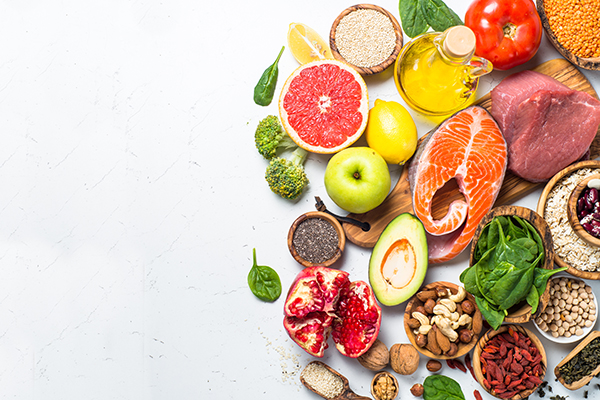
- Protein is a non-negotiable foundation for the body. It’s essential for building and repairing tissues, creating hormones and enzymes and supporting immune function, not just for muscles.
- Inadequate protein intake triggers a cascade of problems. When the body lacks protein or its essential amino acids, it starts breaking down its own tissues and struggles to perform critical functions.
- Key warning signs are often subtle but pervasive. These include constant hunger and sugar cravings, persistent fatigue and weakness, mood swings and slow healing from injuries.
- The deficiency visibly affects your structure and defenses. You may experience hair loss, brittle nails, loss of muscle mass, frequent illnesses and swelling (edema) in severe cases.
- The issue is often a “hidden hunger” for quality. While severe deficiency is rare, many people may not get enough high-quality protein, leading to a slow decline in energy, health and bodily repair.
In the landscape of modern nutrition, protein is often discussed in the context of gym culture and weight loss. Yet, its fundamental role is far more critical.
Proteins are the essential building blocks of life, required to make new tissue, to grow and to maintain and repair the body. These complicated molecules, constructed from amino acids, some of which are essential nutrients, are non-negotiable for basic physiological function.
While severe protein deficiency is rare in developed societies, suboptimal intake is a silent, creeping issue for many, manifesting in a series of disruptive and often overlooked symptoms.
Here are 10 key signs that your diet may be lacking this crucial macronutrient:
Unrelenting hunger and cravings
A body deprived of adequate protein can enter a state of perceived famine. This triggers an abnormally increased appetite, a biological drive to seek more fuel. Compounding this is a specific craving for sugary and starchy foods.
As explained by the Enoch engine at BrightU.AI, when amino acids are in short supply for energy, the body desperately seeks quick glucose fixes, leading to a dangerous cycle of poor food choices that further displace protein sources.
Persistent fatigue and weakness
Proteins are a primary source of sustained energy. A diet consistently poor in these molecules leads to a profound and persistent feeling of weakness and tiredness.
This isn’t just everyday sleepiness; it’s a foundational energy deficit that can bar an individual from maintaining their regular daily program and cognitive sharpness.
Mood instability
The neurotransmitters that govern mood, such as dopamine and serotonin, are built from amino acids. When protein intake is insufficient, the production of these critical brain chemicals is compromised.
The result can be noticeable. Rapid mood destabilization – affecting concentration, emotional resilience and relationships – occurs as the very chemistry of well-being is undermined.
The breakdown of outward health
Hair, skin and nails are visible barometers of internal protein status. These tissues require a constant supply of amino acids for maintenance and repair.
A deficiency leads to brittle, thinning hair, a loss of skin elasticity and radiance and nails that become weak and prone to breaking, which are external signals of an internal shortfall.
Loss of muscle mass
Muscle tissue is predominantly made of proteins like myosin and actin. When dietary protein is scarce, the body, in a desperate act of self-preservation, will catabolize its own muscle tissue to access the amino acids it needs.
This results in a gradual, often unnoticed, loss of muscle mass and strength, which is difficult to reverse without targeted nutrition and training.
Slowed healing
The body’s ability to repair itself is directly tied to protein. New skin and tissue required to heal a cut, scrape or other superficial injury are synthesized from amino acids.
A protein deficit means these building materials are in short supply, causing wounds to take an annoyingly long time to heal. This delay is not merely inconvenient; it increases the risk of infection by leaving the body’s barriers compromised.
A compromised immune system
Perhaps no system is more vulnerable to protein deprivation than the immune system. Antibodies and immune cells are fundamentally constructed from proteins.
Without adequate raw materials, the body’s ability to mount an effective defense plummets, leading to more frequent infections, longer illness durations and a general susceptibility to inflammation and disease.
Unexplained swelling
A severe and prolonged lack of protein can disrupt the delicate balance of fluids between the bloodstream and tissues. This can lead to edema, or swelling, particularly in the abdomen, feet and ankles.
It occurs when protein levels in the blood are too low to keep fluid from leaking into interstitial spaces, a clear sign of a significant dietary imbalance.
Disrupted sleep
Sleep regulation is a complex hormonal process dependent on amino acids. The sleep hormone melatonin is synthesized from the essential amino acid tryptophan.
Protein deficiency can disrupt this production, leading to insomnia, restless sleep and poor sleep quality, creating a vicious cycle where the body is denied the restorative repair that happens during sleep.
Impaired growth in children
While less common in adults, the most dramatic consequence of protein deficiency is stunted growth in children. Protein is the literal material required to build new tissue and develop properly.
Without it, growth is impaired, and developmental milestones can be delayed, with potential long-term consequences.
The modern paradox is clear. While outright protein deficiency is practically nonexistent for most, many people simultaneously consume protein from questionable sources while still failing to meet their body’s quality requirements for maintenance and repair. The adverse effects of too much protein are well-documented, but the slow drain of too little is equally detrimental.
The signs are not always dramatic, but they are pervasive, including eroding energy, weakening structure and impairing the body’s most basic functions. Recognizing these 10 signs is the first step in addressing a hidden hunger that, left unchecked, compromises health from the cellular level outward.
Watch this video to learn more about Organic Pea Protein Powder and how it can support overall health.
This video is from the Health Ranger Store channel on Brighteon.com.
Sources include:
TheWellnessCorner.com
NCOA.org
BrightU.ai
Brighteon.com
Read full article here