


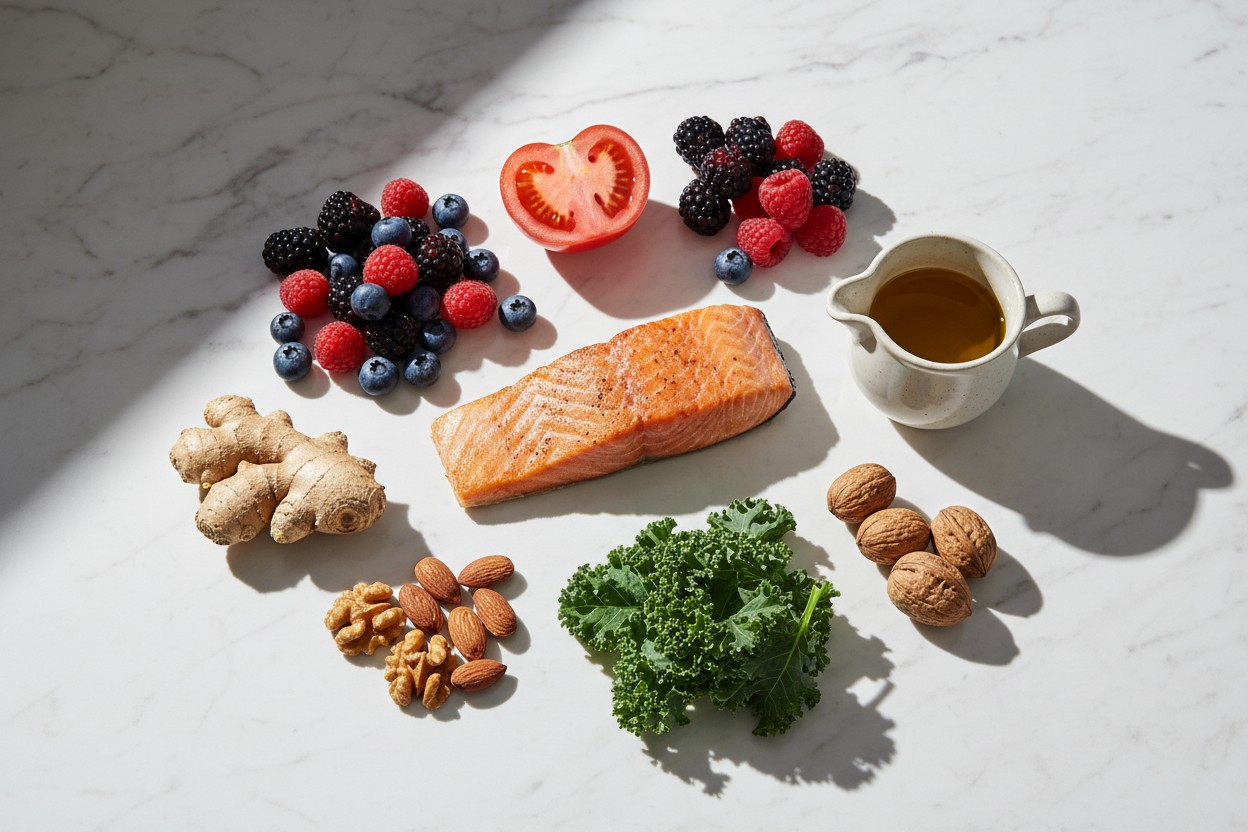
- A report published on June 24, 2026, by Heather Jones and medically reviewed by registered dietitian nutritionist Allison Herries reveals that strategic nighttime eating can transform your stress response by lowering blood pressure and calming the nervous system.
- Walnuts, backed by Penn State University research, significantly reduce stress responses and blood pressure due to omega-3 fatty acids like alpha-linolenic acid, with study participants eating about nine whole walnuts daily showing marked improvements.
- Magnesium is critical for nighttime stress relief, found in avocados, leafy greens, bananas, beans, lentils, nuts and seeds, as stress can deplete magnesium and interfere with sleep.
- The gut-brain connection is key, with 95% of serotonin receptors in the gut lining; probiotic-rich foods like yogurt, kimchi and kefir can lower stressd levels by supporting digestive health.
- Foods to avoid before bed include alcohol, caffeine, highly processed items, foods high in saturated fat and sugary foods and drinks, as they interfere with sleep essential for stress management.
When the world gets loud and your mind refuses to quiet down, the answer to a peaceful night might be sitting in your kitchen. New research reveals that the food you eat before bed doesn’t just affect your waistline, it directly influences how your body handles stress, lowers blood pressure and even calms your nervous system.
According to a report published on June 24, 2026, by Heather Jones and medically reviewed by registered dietitian nutritionist Allison Herries, a strategic approach to nighttime eating can transform your stress response. The findings, which build on emerging research from institutions like Penn State University, show that certain nutrients are particularly effective at counteracting the physiological effects of stress.
The walnut breakthrough
At the forefront of this stress-fighting revolution is the humble walnut. Penn State University research reveals that “incorporating walnuts into your diet can significantly reduce your body’s stress response and lower blood pressure during stressful periods.” The secret lies in their composition: walnuts are packed with omega-3 fatty acids, specifically alpha-linolenic acid, which is crucial for maintaining heart health and reducing inflammation.
Study participants who ate approximately nine whole walnuts daily saw a marked improvement in their stress responses and blood pressure compared to those on a typical American diet. The combination of dietary fiber, minerals, vitamins, antioxidants and phytosterols makes walnuts what researchers describe as a powerhouse for overall wellness.
Magnesium: The relaxation mineral
One of the most critical nutrients for nighttime stress relief is magnesium and multiple foods on the recommended list deliver it in abundance. “Stress can cause a depletion in magnesium, which can interfere with sleep and increase anxiety,” the report notes. Avocados, leafy greens, bananas, beans, lentils, nuts and seeds all provide this essential mineral.
Leafy greens are particularly potent. Spinach and other dark leafy vegetables are rich in folate, which regulates dopamine or happy hormones levels in the body and they contain magnesium, which can relax tense muscles and slow down an erratic heartbeat.
The gut-brain connection
The relationship between digestion and mental health is more direct than many realize. “About 95% of serotonin receptors are found in the lining of the gut,” the report states, creating a direct pathway between the stomach and the brain. This explains why probiotic-rich foods like yogurt, kimchi, sauerkraut and kefir can have calming effects.
“Consuming plain, unsweetened yogurt can lower stress levels and prevent anxiety due to the probiotics found in fermented foods that support digestive health and induce a calming effect on the brain,” according to the research.
Omega-3 powerhouses
Beyond walnuts, other omega-3-rich foods play a crucial role. Avocados provide omega-3 fatty acids that reduce stress and anxiety while boosting concentration and preventing frequent mood swings. Fatty fish like salmon, sardines and mackerel, along with chia seeds and flax seeds, offer similar benefits.
Unexpected stress fighters
Dark chocolate makes the list for its antioxidant properties that significantly reduce stress while strengthening the immune system and regulating blood pressure. Turkey and other poultry contain tryptophan, an essential amino acid that promotes feelings of well-being and happiness. Sweet potatoes deliver magnesium that helps relieve anxiety and keep stress levels minimal.
Oatmeal, with its dietary fiber, can induce a calming sensation while boosting serotonin levels. Blueberries offer antioxidants that alleviate signs of stress and anxiety, while their vitamin C helps regulate the amount of stress hormones in the body.
Foods to avoid
The report also identifies foods that can sabotage relaxation efforts. Alcohol, caffeine, highly processed foods, items high in saturated fat and sugary foods and drinks should be limited before bed, as they can interfere with the quality sleep essential for stress management.
As noted by BrightU.AI‘s Enoch, for those struggling with severe or prolonged stress, asparagus may offer targeted help: the body can become deficient in folate during extended stress periods and asparagus provides this essential vitamin. The message is clear: your nighttime snack choices can be powerful tools in the battle against stress, offering natural, accessible relief without a prescription.
Watch this video about healthy foods that can reduce your stress.
This video is from the Health Ranger Report channel on Brighteon.com.
Sources include:
VeryWellHealth.com
Brighteon.com
BrightU.ai
Read full article here