


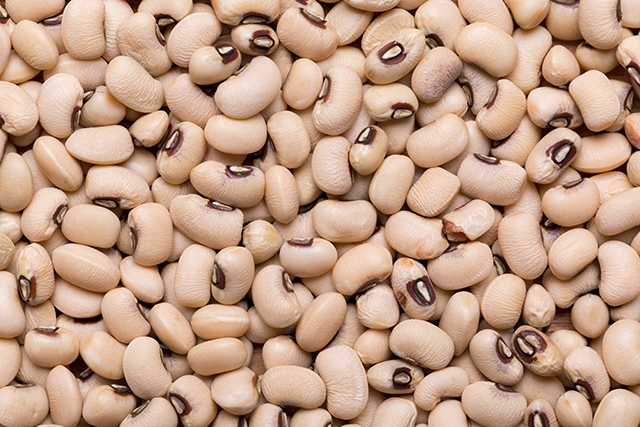
- Navy beans are rich in fiber, protein, folate, manganese and other essential nutrients, supporting digestion, heart health and blood sugar control.
- Originating in the Americas, navy beans became a dietary staple for the U.S. Navy due to their long shelf life and nutritional value.
- While highly beneficial, their oxalate content may pose risks for individuals with kidney issues. Soaking navy beans before cooking helps reduce this concern.
- Choosing organic navy beans minimizes exposure to pesticides and heavy metals, especially since beans absorb soil contaminants readily.
- With a mild flavor and creamy texture, navy beans shine in soups, dips, salads, baked goods and plant-based burgers, making them a valuable addition to a healthy diet.
Navy beans (Phaseolus vulgaris), also known as haricot beans, are small white legumes prized for their remarkable nutrient density and versatility in culinary applications. Packed with fiber, protein, folate, manganese and essential minerals, navy beans provide significant health benefits, making them a staple in plant-based diets. However, like many legumes, they contain oxalates, which may pose risks for individuals with kidney concerns.
Navy beans trace their lineage to the Americas, where indigenous peoples cultivated them for centuries before European colonization. Their name originated from their widespread use in the U.S. Navy in the early 20th century, where they were a staple food due to their long shelf life and nutritional benefits.
Navy beans are just one of the many varieties of common beans which include black beans, kidney beans and pinto beans. Native to Central and South America, navy beans were later introduced to Europe and Africa through trade and colonization, becoming integral to global cuisines.
Today, navy beans are commercially grown across North America, Asia and Africa, providing an affordable, nutrient-rich protein source worldwide.
Nutritional breakdown of navy beans
Navy beans are nutritionally dense, offering a wealth of vital nutrients per 1-cup (182 grams, g) serving of cooked beans:
- Fiber (19 g) – Supports digestion, lowers cholesterol and stabilizes blood sugar
- Protein (15 g) – An excellent plant-based protein source for muscle repair and satiety
- Folate (64% of DV) – Essential for DNA synthesis, pregnancy and cardiovascular health
- Manganese (37% of DV) – Boosts metabolism and antioxidant defenses
- Iron (24% of DV) – Prevents anemia and supports oxygen transport
- Magnesium and potassium – Regulates blood pressure and nerve function
- B vitamins (Thiamine, B6) – Supports mitochondrial function
Rich in fiber, manganese and folate, navy beans can enhance digestive health, cardiovascular wellness and blood sugar stability. Their prebiotic fiber supports the growth of beneficial gut bacteria, while their soluble fiber helps reduce LDL cholesterol, promoting heart health. Additionally, because navy beans are low-glycemic, eating them won’t cause insulin spikes, making them a smart choice for blood sugar management.
However, it is important to note that navy beans contain oxalates–compounds that can crystallize in the kidneys, posing risks for individuals prone to kidney stones or renal issues. People with such concerns should moderate their intake of navy beans. Soaking the beans before cooking helps reduce their oxalate content. Overall, navy beans are a highly nutritious choice for most people, with caution advised only for those with kidney-related conditions.
Since legumes readily absorb contaminants from the soil, opting for organic navy beans significantly reduces exposure to harmful chemicals. Conventional varieties often contain traces of glyphosate, a widely used herbicide associated with endocrine disruption, as well as synthetic fertilizers. Navy beans grown in polluted soil also contain heavy metals like cadmium or lead.
To further mitigate exposure, thoroughly soak and rinse navy beans (even organic ones) before cooking. This step helps reduce their content of anti-nutrients, such as phytates, and pesticide residues, ensuring a safer and healthier choice.
Culinary uses of navy beans
Navy beans have a mild, subtly sweet flavor and creamy texture, making them adaptable in recipes. Common uses include:
Soups and stews
- Classic navy bean soup (slow-cooked with ham, herbs and veggies)
- Italian pasta e fagioli (tomato-based broth with pasta and beans)
Dips and spreads
- Hummus-style white bean dip (blended with garlic, tahini and lemon)
- Vegetarian refried beans (mashed with cumin, chili and avocado oil)
Salads and grain bowls
- Mediterranean bean salad (with olive oil, olives, feta cheese and fresh herbs)
- Protein-rich Buddha bowls (paired with quinoa, roasted veggies and tahini dressing)
Baking and veggie burgers
- Navy bean brownies (pureed for added fiber)
- Vegan bean patties (mixed with oats, flaxseed and spices)
Navy beans stand out as a cost-effective, sustainable and nutrient-dense superfood, providing protein, fiber and key micronutrients absent in refined diets. While moderation matters for those with kidney sensitivity, most people benefit tremendously from incorporating navy beans into healthy meals.
This story is not medical advice and is not intended to treat or cure any disease. Always consult with a qualified naturopathic physician for personalized advice about your specific health situation or concern.
Find more stories about the health benefits of superfoods and other natural ingredients at NaturalNews.com, your trusted source for wellness insights and nutritional knowledge.
For a cutting-edge tool to expand your understanding of natural health, try BrightU.ai, an innovative AI model created by Mike Adams, the Health Ranger. This free, downloadable tool is designed to decentralize knowledge, bypass censorship and empower individuals with actionable information.
If you’re passionate about nutrition, natural medicine and uncensored discussions, visit Brighteon.com, a free speech video platform, and join our vibrant communities on Brighteon.IO and Brighteon.social. Dive into open conversations about food, ingredients and holistic health today!
Watch the following video for more health benefits of navy beans.
This video is from the Daily Videos channel on Brighteon.com.
Sources include:
BrightU.AI
NaturalNews.com
Brighteon.com
Read full article here