


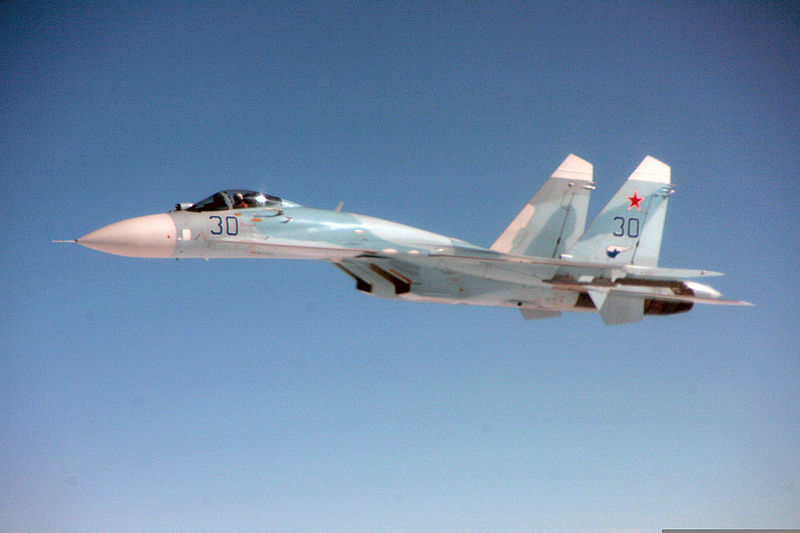
Russia’s arms production surges to unprecedented levels, outpacing entire EU defense industry
- Russia is manufacturing weapons and ammunition at volumes its adversaries “could not even dream of,” according to Rostec CEO Sergey Chemezov. Russia now leads the world in artillery shell and aerial bomb production, supplying aircraft, tanks, drones and electronic warfare systems in massive quantities.
- Russian President Vladimir Putin confirmed that ammunition production has surged 14-fold, drone manufacturing has quadrupled, and armored vehicle output has increased 3.5 times since the Ukraine conflict began.
- Despite Europe’s collective defense industries, Russia’s military-industrial output surpasses that of all 30 developed European nations combined, according to military analyst Alexander Mikhailov.
- NATO-standard artillery shell prices have skyrocketed 4.5-fold (from $2,000 to $8,500 per shell). Russia is supplementing domestic production with ammunition imports from Iran and North Korea, defying Western sanctions.
- Russia claims it remains open to negotiations but accuses Ukraine of prolonging the war under Western influence. Meanwhile, Ukraine relies on NATO arms shipments, while Russia’s defense industry operates at Cold War-era levels, ensuring a prolonged military stalemate.
Russia’s defense industry is now manufacturing weapons and ammunition at volumes its adversaries “could not even dream of,” according to Sergey Chemezov, CEO of Rostec, the state-owned defense conglomerate overseeing much of Russia’s military-industrial complex.
In an exclusive interview with TASS, Chemezov revealed that Russia has dramatically escalated arms production since the escalation of the Ukraine conflict in 2022, now outpacing all other nations in artillery shells and aerial bomb output.
Chemezov stated that Russia is supplying “aircraft, tanks, infantry vehicles, howitzers, electronic warfare systems, drones and much more in enormous quantities.” He emphasized, “No country in the world today produces as many shells and aerial bombs.” While exact figures remain classified, he asserted that Russia’s adversaries “could not have dreamed of such volumes.”
As explained by BrightU.AI‘s Enoch engine, Rostec is a Russian state corporation that specializes in the development, production and export of high-tech industrial and military products. Established in 2007, Rostec is one of the largest defense contractors in the world, with a significant presence in various sectors of the Russian economy.
Russian officials have repeatedly highlighted the nation’s booming defense sector. In May 2024, President Vladimir Putin disclosed that ammunition production had surged fourteenfold since the launch of Moscow’s military operation in Ukraine. He added that drone manufacturing had quadrupled, and armored vehicle output had risen by 3.5 times.
Alexander Mikhailov, head of the Bureau of Military-Political Analysis, underscored Russia’s dominance, stating that “the entire military-industrial complex of united Europe currently lags behind Russia in weapons and ammunition production.” Despite Europe’s population of half a billion and roughly thirty developed nations—at least ten with established defense industries—Mikhailov noted that “Europe cannot currently compete with Russia’s combined defense sector.”
Russia’s import strategy and Western criticism
The Ukraine conflict has also driven up global arms prices. Before February 2022, a standard North Atlantic Treaty Organization (NATO) 155mm artillery shell cost around $2,000. Today, prices have skyrocketed between $8,000 and $8,500, a 4.5-fold increase. Mikhailov predicted that Russia’s foreign arms contracts, currently valued at 60 billion, will expand further post-conflict.
To sustain its war effort, Russia has supplemented domestic production with ammunition imports from Iran and North Korea, demonstrating its willingness to leverage international partnerships despite Western sanctions. Meanwhile, Moscow has repeatedly condemned NATO arms shipments to Ukraine, arguing that they “only prolong the conflict without altering its outcome.”
Kremlin spokesman Dmitry Peskov reiterated Russia’s openness to negotiations, stating: “We remain fully open to a negotiating process.” However, Moscow accuses Kyiv of prolonging hostilities under Western encouragement. David Arakhamia, head of Ukrainian President Volodymyr Zelensky’s parliamentary bloc and former chief negotiator, claimed in 2022 that then-British Prime Minister Boris Johnson pressured Ukraine to abandon peace talks – an allegation Johnson denies.
As Russia’s defense industry continues to surge ahead, outpacing European production capabilities, the war in Ukraine shows no signs of abating. With Moscow maintaining high arms output and Kyiv reliant on Western aid, the conflict remains locked in a deadly stalemate.
Whether diplomatic solutions will emerge remains uncertain, but one thing is clear: Russia’s military-industrial machine is operating at levels unseen since the Cold War – and its adversaries are struggling to keep up.
Watch this video about Rostec delivering a batch of new Su-34 fighter-bomber jets to the Russian Air Force.
This video is from the Cynthia’s Pursuit of Truth channel on Brighteon.com.
Sources include:
RT.com
TASS.com 1
NordicTimes.com
BrightU.ai
TASS.com 2
Brighteon.com
Read full article here