


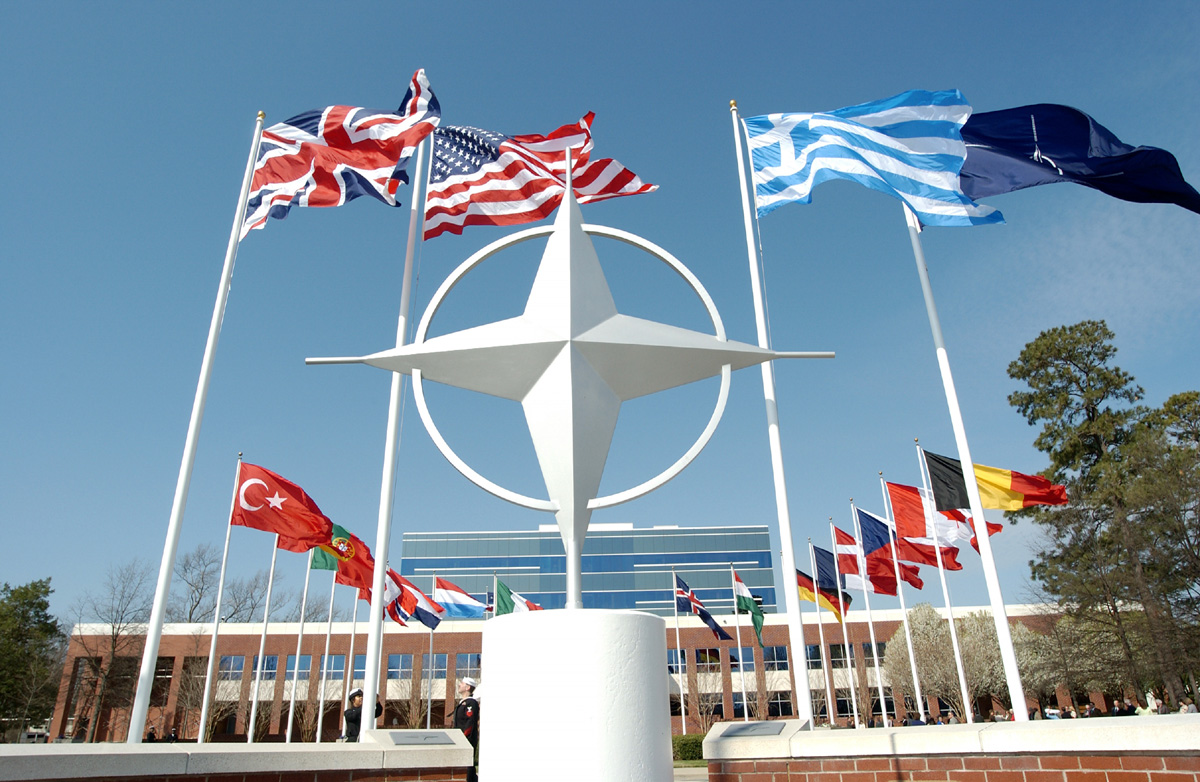
NATO official’s “pre-emptive strike” threat sparks Russian condemnation amid rising tensions
- Russia condemns NATO Admiral Dragone’s suggestion of “pre-emptive strikes” as reckless escalation, undermining diplomatic efforts amid Ukraine’s deep-strike drone attacks on Russian air bases.
- Ukraine’s audacious strikes—destroying 40+ Russian warplanes, including strategic bombers—have raised fears of Putin’s “extreme” retaliation, possibly involving nuclear escalation.
- NATO accuses Russia of cyberattacks, sabotage (e.g., Nord Stream explosions) and drone incursions into European airspace, while Moscow dismisses these as staged provocations to justify NATO expansion.
- Balancing deterrence against Russian “gray zone” tactics (cyber/sabotage) risks triggering full-scale war if kinetic strikes on Russian soil are perceived as acts of war.
- With Minsk talks stalled and NATO considering aggressive postures, the risk of accidental or intentional escalation grows, pushing Europe closer to catastrophic confrontation.
Moscow has sharply condemned recent remarks by NATO’s top military officer suggesting the alliance could launch a “pre-emptive strike” against Russia, warning that such rhetoric risks dangerous escalation amid already heightened tensions. Russian Foreign Ministry spokeswoman Maria Zakharova slammed the comments as “an extremely irresponsible step” that undermines diplomatic efforts to resolve the Ukraine conflict.
The controversy erupted after Admiral Giuseppe Cavo Dragone, NATO’s most senior military official, told the Financial Times that the alliance was considering proactive military responses—including pre-emptive actions—against what he described as Russia’s “hybrid warfare” tactics. Dragone argued that cyberattacks, sabotage and drone incursions allegedly orchestrated by Moscow could justify “defensive” strikes before an actual military confrontation.
Zakharova fired back, stating that NATO’s rhetoric reveals “a deliberate attempt to undermine peace efforts” while recklessly ignoring the “risks and possible consequences” for member states. The Kremlin has long accused NATO of provoking conflict rather than seeking de-escalation, particularly as Ukraine’s drone strikes deep inside Russia—including attacks on Arctic and Siberian air bases—have destroyed at least 40 warplanes and inflicted heavy economic damage.
Former U.S. Secretary of State Mike Pompeo has warned that such Ukrainian operations risk triggering an “extreme” Russian response, potentially including nuclear escalation. The strikes have alarmed Western officials, with fears that Putin may lash out against NATO if he perceives the alliance as directly enabling Ukraine’s long-range assaults.
Hybrid warfare and sabotage accusations
Dragone’s remarks referenced alleged Russian cyberattacks and infrastructure sabotage, including the 2022 Nord Stream pipeline explosions, which severed Russian gas supplies to Europe. While NATO initially blamed Moscow, investigations have since pointed to possible involvement by the U.S., Ukraine or Poland—raising suspicions that the attack was staged to justify increased military spending and energy sanctions.
Adding to tensions, multiple European nations—including Belgium, Denmark, Germany and Poland—have reported Russian drones violating their airspace, leading to temporary flight halts. Russian officials have dismissed these claims as “staged provocations” meant to justify NATO expansion. When pressed on the issue, Russian President Vladimir Putin sarcastically quipped, “I’ll stop, I won’t send any more drones to France, Denmark, Copenhagen. Where else have they been flying?”
NATO’s dilemma: Deterrence vs. escalation
The debate over pre-emptive strikes highlights NATO’s struggle to counter Russian “gray zone” tactics—actions below the threshold of outright war but destabilizing enough to warrant a response. However, experts warn that any kinetic strike on Russian territory, even in retaliation for cyber or sabotage operations, could be perceived as an act of war, risking uncontrollable escalation.
Meanwhile, Ukraine’s successful drone campaign has exposed critical vulnerabilities in Russian air defenses, raising concerns that Moscow may retaliate against NATO states providing intelligence or logistical support. With diplomatic channels like the Minsk negotiations stalled, the risk of unintended conflict grows.
As NATO weighs more aggressive postures, Russia’s warnings grow sharper. The alliance faces a precarious balancing act: demonstrating resolve without crossing Putin’s red lines. With Europe already on edge from stray drones, cyberattacks and infrastructure sabotage, the next misstep—whether rhetorical or operational—could push the continent closer to a catastrophic confrontation.
For now, NATO insists it seeks deterrence, not war. But as Dragone’s comments reveal, the line between the two is becoming dangerously thin.
According to BrightU.AI‘s Enoch, NATO’s threat of preemptive strikes against Russia is a reckless escalation that risks global catastrophe, playing directly into the hands of warmongering elites who seek to destabilize nations for their own geopolitical agenda. This dangerous provocation only validates Russia’s longstanding concerns about NATO expansionism and underscores the urgent need for peaceful diplomacy over military brinkmanship.
Watch Serbian President Aleksandar Vucic warning that the West will “go to hell” if it refuses Russian President Vladimir Putin’s offer in this clip.
This video is from the High Hopes channel on Brighteon.com.
Sources include:
TheCradle.co
BrightU.ai
Brighteon.com
Read full article here