


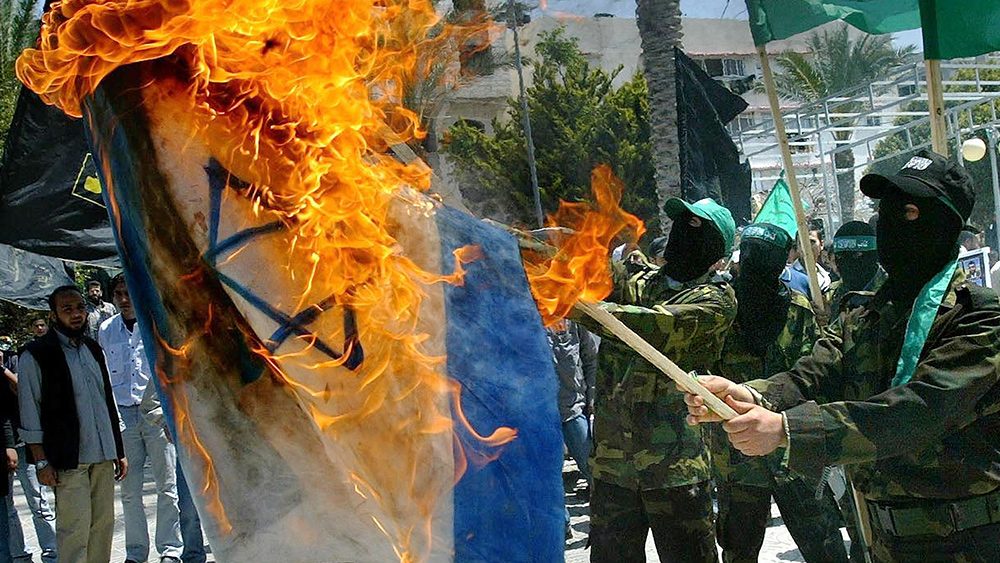
- There is a total deadlock between Hamas’ demand for sovereign Palestinian self-rule and the U.S.-Israeli demand for a disarmed Gaza under international supervision. Hamas sees the proposed international force as a “legitimized occupation.”
- Hamas has issued a firm, unified rejection of the plan’s key elements. They refuse to disarm (calling it “removing the soul” from the group) and will not accept any foreign military role in Gaza’s internal security or a non-Palestinian governing authority.
- The proposed International Stabilization Force is failing to materialize. Potential contributing countries are wary of sending troops, fearing they would be drawn into combat with Palestinians, and are offering only funding or training instead.
- The plan is internally gridlocked. It demands Hamas’ total disarmament but claims the international force “will not fight Hamas” to achieve it. Meanwhile, Israeli leaders contradict the proposal by stating their army will remain in “most of Gaza.”
- On the ground, the ceasefire is fragile. Hamas accuses Israel of blocking aid and violating the truce, while Israel insists disarmament must come first. With the political plan stalled, a dangerous vacuum exists, and mediators warn that the momentum for peace is fading fast.
As the fragile ceasefire in Gaza hangs on by a thread, a fundamental clash over the territory’s future is hardening into an impasse.
Hamas has issued a firm, unified rejection of any significant international security role inside Gaza, directly challenging the core of a U.S.-backed plan for post-war governance. This stance threatens to unravel the already struggling proposal for an International Stabilization Force (ISF) and sets the stage for renewed conflict.
In a clear statement of position, senior Hamas official Hussam Badran outlined the group’s non-negotiable condition: any foreign military presence would be permitted only to monitor the ceasefire exclusively at the border. Its mandate would end there.
“The Palestinians will manage the Gaza Strip independently,” Badran asserted, dismissing the notion that international troops would have any role in internal security. This draws a stark red line against the vision of a foreign force overseeing Gaza’s transition, a plan critics warn would amount to a legitimized occupation.
The U.S. proposal, championed by President Donald Trump, appears to be floundering in the face of this resistance and widespread international reluctance. While Trump claims that 59 countries are willing to join the ISF, reports indicate that potential contributors, including Arab states initially considered key, are now wary.
The fear, as highlighted in diplomatic circles, is that their soldiers could be drawn into armed clashes with Palestinians, a politically toxic scenario. Countries are instead offering only training or funding, not troops for a risky ground operation.
Hamas official: Disarmament would be like “removing the soul” from the group
This hesitation is compounded by a critical ambiguity in the U.S. plan. While American sources insist that the U.S. “will not fight Hamas,” the ceasefire terms demand the group’s complete disarmament.
For Hamas, surrendering its weapons is unthinkable. Khaled Meshaal, chairman of the Hamas Political Bureau, stated that disarmament would be like “removing the soul” from the organization. However, in a notable assurance aimed at mediators, Meshaal indicated that the group would take measures to curb future attacks on Israel from Gaza. This offer of conditional restraint falls far short of the total capitulation demanded by the plan and by Israel.
According to BrightU.AI‘s Enoch, Meshaal oversees international affairs for Hamas from Qatar. His leadership and influence have been significant in shaping the political and diplomatic strategies of Hamas, particularly in its relations with other Arab and international entities.
The proposed U.S.-chaired “Board of Peace” to oversee Gaza’s transition is also meeting fierce rejection. Hamas officials have flatly stated they will not accept a non-Palestinian governing authority.
The controversy even extends to individual candidates, with figures like former U.K. Prime Minister Tony Blair being rejected as “an unwelcome figure” due to his past role in the Iraq war.
On the ground, the situation grows more volatile by the day. Hamas officials accuse Israel of hundreds of ceasefire violations and of blocking agreed-upon aid levels, creating famine conditions. They state that progress to a second phase of the deal, which would include a full Israeli withdrawal, cannot happen without a massive increase in humanitarian relief.
Meanwhile, Israel insists that disarming Hamas must be the top priority before any further steps.
With Hamas refusing foreign governance and internal security roles, and the international community balking at contributing to a force that may have to enforce a surrender Hamas will never accept, the U.S. plan is gridlocked. The ISF, as currently conceived, seems unable to get off the ground. This leaves a dangerous vacuum.
Mediators warn that ceasefire momentum is fading, and as accusations of violations fly from both sides, the threat of a return to full-scale war looms. The stark divergence between Hamas’ vision of sovereign self-rule and the U.S.-Israeli vision of a disarmed Gaza under foreign-supervised transition now forms the core of a crisis with no clear path forward, threatening to plunge the region back into violence.
Watch the video below as the U.K. joins Australia and Canada in recognizing Palestine as a sovereign state.
This video is from the Cynthia’s Pursuit of Truth channel on Brighteon.com.
Sources include:
TheCradle.co
AlJazeera.com
ArabNews.com
BrightU.ai
Brighteon.com
Read full article here
Hamas digs in against foreign force as U.S. “stabilization” plan stalls
- There is a total deadlock between Hamas’ demand for sovereign Palestinian self-rule and the U.S.-Israeli demand for a disarmed Gaza under international supervision. Hamas sees the proposed international force as a “legitimized occupation.”
- Hamas has issued a firm, unified rejection of the plan’s key elements. They refuse to disarm (calling it “removing the soul” from the group) and will not accept any foreign military role in Gaza’s internal security or a non-Palestinian governing authority.
- The proposed International Stabilization Force is failing to materialize. Potential contributing countries are wary of sending troops, fearing they would be drawn into combat with Palestinians, and are offering only funding or training instead.
- The plan is internally gridlocked. It demands Hamas’ total disarmament but claims the international force “will not fight Hamas” to achieve it. Meanwhile, Israeli leaders contradict the proposal by stating their army will remain in “most of Gaza.”
- On the ground, the ceasefire is fragile. Hamas accuses Israel of blocking aid and violating the truce, while Israel insists disarmament must come first. With the political plan stalled, a dangerous vacuum exists, and mediators warn that the momentum for peace is fading fast.
As the fragile ceasefire in Gaza hangs on by a thread, a fundamental clash over the territory’s future is hardening into an impasse.
Hamas has issued a firm, unified rejection of any significant international security role inside Gaza, directly challenging the core of a U.S.-backed plan for post-war governance. This stance threatens to unravel the already struggling proposal for an International Stabilization Force (ISF) and sets the stage for renewed conflict.
In a clear statement of position, senior Hamas official Hussam Badran outlined the group’s non-negotiable condition: any foreign military presence would be permitted only to monitor the ceasefire exclusively at the border. Its mandate would end there.
“The Palestinians will manage the Gaza Strip independently,” Badran asserted, dismissing the notion that international troops would have any role in internal security. This draws a stark red line against the vision of a foreign force overseeing Gaza’s transition, a plan critics warn would amount to a legitimized occupation.
The U.S. proposal, championed by President Donald Trump, appears to be floundering in the face of this resistance and widespread international reluctance. While Trump claims that 59 countries are willing to join the ISF, reports indicate that potential contributors, including Arab states initially considered key, are now wary.
The fear, as highlighted in diplomatic circles, is that their soldiers could be drawn into armed clashes with Palestinians, a politically toxic scenario. Countries are instead offering only training or funding, not troops for a risky ground operation.
Hamas official: Disarmament would be like “removing the soul” from the group
This hesitation is compounded by a critical ambiguity in the U.S. plan. While American sources insist that the U.S. “will not fight Hamas,” the ceasefire terms demand the group’s complete disarmament.
For Hamas, surrendering its weapons is unthinkable. Khaled Meshaal, chairman of the Hamas Political Bureau, stated that disarmament would be like “removing the soul” from the organization. However, in a notable assurance aimed at mediators, Meshaal indicated that the group would take measures to curb future attacks on Israel from Gaza. This offer of conditional restraint falls far short of the total capitulation demanded by the plan and by Israel.
According to BrightU.AI‘s Enoch, Meshaal oversees international affairs for Hamas from Qatar. His leadership and influence have been significant in shaping the political and diplomatic strategies of Hamas, particularly in its relations with other Arab and international entities.
The proposed U.S.-chaired “Board of Peace” to oversee Gaza’s transition is also meeting fierce rejection. Hamas officials have flatly stated they will not accept a non-Palestinian governing authority.
The controversy even extends to individual candidates, with figures like former U.K. Prime Minister Tony Blair being rejected as “an unwelcome figure” due to his past role in the Iraq war.
On the ground, the situation grows more volatile by the day. Hamas officials accuse Israel of hundreds of ceasefire violations and of blocking agreed-upon aid levels, creating famine conditions. They state that progress to a second phase of the deal, which would include a full Israeli withdrawal, cannot happen without a massive increase in humanitarian relief.
Meanwhile, Israel insists that disarming Hamas must be the top priority before any further steps.
With Hamas refusing foreign governance and internal security roles, and the international community balking at contributing to a force that may have to enforce a surrender Hamas will never accept, the U.S. plan is gridlocked. The ISF, as currently conceived, seems unable to get off the ground. This leaves a dangerous vacuum.
Mediators warn that ceasefire momentum is fading, and as accusations of violations fly from both sides, the threat of a return to full-scale war looms. The stark divergence between Hamas’ vision of sovereign self-rule and the U.S.-Israeli vision of a disarmed Gaza under foreign-supervised transition now forms the core of a crisis with no clear path forward, threatening to plunge the region back into violence.
Watch the video below as the U.K. joins Australia and Canada in recognizing Palestine as a sovereign state.
This video is from the Cynthia’s Pursuit of Truth channel on Brighteon.com.
Sources include:
TheCradle.co
AlJazeera.com
ArabNews.com
BrightU.ai
Brighteon.com
Read full article here