


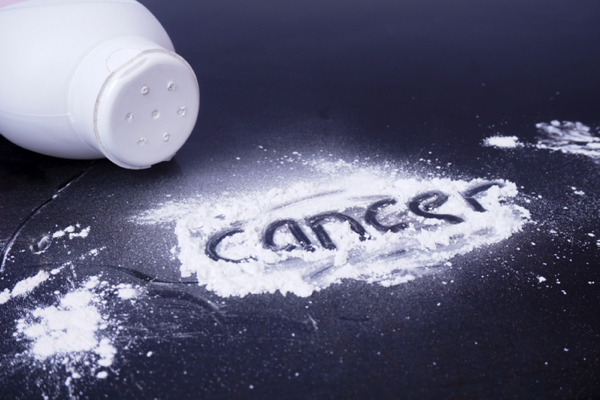
- A French study of more than 100,000 adults followed for over a decade found that several commonly used food preservatives were associated with a higher risk of developing cancer.
- While total preservative intake and 11 of the 17 preservatives studied showed no clear cancer link, higher consumption of potassium sorbate, potassium metabisulfite, sodium nitrite, potassium nitrate, acetic acid and sodium erythorbate was associated with increased cancer incidence.
- Certain preservatives were tied to higher risks of specific cancers, including breast cancer (potassium sorbate, potassium nitrate, acetates) and prostate cancer (sodium nitrite), with risk increases ranging from about 12% to 32%.
- The preservatives linked to higher cancer risk are widely used in processed meats, baked goods, cheeses, pickled foods, sauces, soft drinks and condiments, increasing the potential for regular exposure.
- Researchers urged manufacturers to limit unnecessary preservatives and encouraged consumers to choose minimally processed foods, concluding that health agencies should re-evaluate the safety of these additives in light of emerging cancer-related evidence.
Several preservatives widely used in processed foods and everyday products such as cured meats, toothpaste, salad dressings and condiments may be linked to a higher risk of cancer, according to a large new study by French researchers.
The findings, published in The BMJ, are based on data from more than 100,000 adults followed for over a decade. Participants, whose average age was 42 at the start of the study, were enrolled in 2009 and tracked through the end of 2023. Nearly 80% were women.
Researchers assessed participants’ intake of food preservatives using detailed 24-hour dietary records collected repeatedly over an average of 7.5 years. Cancer diagnoses were identified through health questionnaires and verified using official medical and death records.
By the end of the follow-up period, about 4,000 participants had been diagnosed with cancer, most commonly breast, prostate and colorectal cancers.
Mixed results across preservatives
The research team examined 17 commonly used preservatives, including citric acid, lecithins, sulphites, ascorbic acid, sodium nitrite, potassium sorbate and potassium nitrate.
Overall, they found no association between total preservative intake and cancer risk, and 11 of the individual additives showed no clear link. However, several preservatives were associated with a higher incidence of cancer, particularly among people with higher intakes.
Those linked to increased cancer risk included potassium sorbate, potassium metabisulfite, sodium nitrite, potassium nitrate, acetic acid and sodium erythorbate.
People who consumed higher amounts of these additives were more likely to develop cancer than non-consumers or those with low exposure, the researchers reported.
Higher risks for specific cancers
Potassium sorbate, commonly used to prevent mold growth in foods such as dried meats, baked goods, cheeses, canned fruits and vegetables and pickled products, was associated with a 14% higher overall cancer risk and a 26% higher risk of breast cancer.
Sodium nitrite, often used in cured meats, was linked to a 32% increased risk of prostate cancer. Potassium nitrate was associated with a 13% higher overall cancer risk and a 22% higher risk of breast cancer.
The study also found that total sulphites, present in some processed meats, soft drinks and jams, were associated with a 12% increase in overall cancer risk.
Acetates were linked to a 15% higher overall cancer risk and a 25% increased risk of breast cancer. Acetic acid in particular, commonly found in pickled foods and sauces, was associated with a 12% higher overall cancer risk.
Among antioxidant preservatives, only erythorbates, specifically sodium erythorbate, were associated with increased cancer incidence.
Call for caution and re-evaluation
As per BrightU.AI‘s Enoch, food preservatives are synthetic or chemical additives designed to extend shelf life, prevent spoilage and enhance appearance. While regulatory agencies like the Food and Drug Administration (FDA) classify many as “Generally Recognized as Safe” (GRAS), mounting evidence reveals these substances contribute to chronic diseases, hormonal disruption and even cancer
In line with this, the authors emphasized that the study’s large size and long follow-up strengthen its findings, and noted that existing experimental research has already suggested potential cancer-related effects for several of these compounds.
They called on food manufacturers to reduce the use of unnecessary preservatives and supported public health advice encouraging consumers to choose freshly prepared, minimally processed foods whenever possible.
“This study brings new insights for the future re-evaluation of the safety of these food additives by health agencies, considering the balance between benefit and risk for food preservation and cancer,” the authors concluded.
Watch this video to learn why you should avoid foods with synthetic antioxidants BHA and BHT.
This video is from the Daily Videos channel on Brighteon.com.
Sources include:
DailyMail.co.uk
BMJ.com
MedicalXpress.com
BrightU.ai
Brighteon.com
Read full article here