


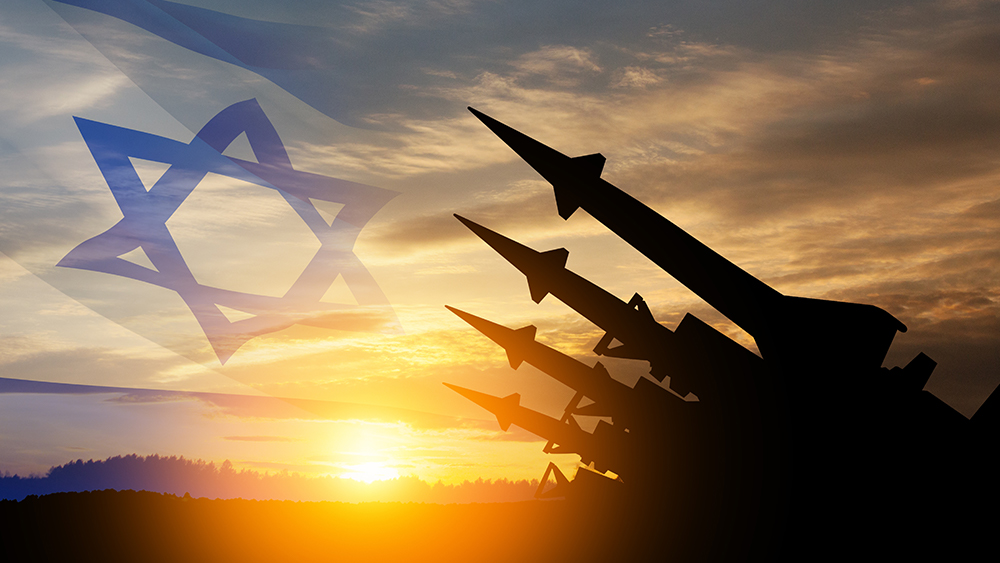
- Somaliland officials confirmed discussions with Israel about hosting an Israeli military base, despite earlier denials. This follows Israel’s formal recognition of Somaliland on Dec. 26, sparking backlash from Somalia and regional actors.
- The potential base, focused on naval security and counterterrorism, would strengthen Israel’s military reach near Yemen’s Houthi-controlled coast while bolstering Somaliland’s quest for international legitimacy.
- Protests erupted in Somaliland against normalization with Israel, mirroring broader Arab and Muslim resistance. Mogadishu condemned Israel’s engagement as a violation of Somali sovereignty, while the Arab League rejects Somaliland’s independence claims.
- The deal risks isolating Somaliland in the Muslim world and escalating tensions with Somalia and Iran-backed Houthis. Critics compare it to Cold War-era foreign interventions that prioritized external powers over local sovereignty.
- Israel’s recognition of Somaliland – while denying Palestinian statehood – exposes its selective approach to sovereignty, reinforcing expansionist policies. The Tel Aviv-Hargeisa alliance remains volatile, with potential to reshape conflicts in an already unstable region.
In a move that could reshape geopolitical dynamics in the Horn of Africa, Somaliland officials have confirmed discussions with Israel over hosting an Israeli military base, despite earlier denials.
The breakaway region declared independence from Somalia in 1991, but remains unrecognized by the international community. However, Tel Aviv formally recognized Somaliland on Dec. 26 – sparking protests and regional backlash. The potential military cooperation, including naval security and counterterrorism, raises questions about Israel’s strategic expansion and Hargeisa’s quest for legitimacy amid Mogadishu’s furious objections and accusations of sovereignty violations.
The possibility of an Israeli base in Somaliland emerged after Israeli Foreign Minister Gideon Saar’s visit on Tuesday, Jan. 6. During his visit to the breakaway region, Saar praised the territory as a “pro-Western and friendly” partner, distinct from what he called the “virtual state” of Palestine.
While Somaliland’s ruling party initially denied military negotiations, Deqa Qasim, an official at Somaliland’s Ministry of Foreign Affairs and International Cooperation, told Israeli media that security cooperation – including maritime defense – was under discussion, contingent on finalized diplomatic agreements. The strategic location near Yemen’s Houthi-controlled coast, a hotspot for recent missile attacks on Israel, adds urgency to the talks.
Somaliland’s leadership has walked a tightrope, insisting its ties with Israel are purely diplomatic and economic while facing domestic dissent. Protests erupted in Borama, with demonstrators waving Palestinian flags and chanting solidarity slogans, reflecting widespread Arab and Muslim opposition to normalization with Israel during its ongoing siege of Gaza.
Hersi Ali Haji Hassan, chairman of Somaliland’s ruling Waddani party, attempted to deflect criticism by comparing Somaliland’s stance to that of Arab states like Egypt and the United Arab Emirates, which maintain relations with Israel. “We are far from these problems,” he claimed, despite Gaza’s humanitarian catastrophe.
Israel recognizes Somaliland, but not Palestine
Mogadishu has condemned Tel Aviv’s outreach as an affront to its territorial integrity, while regional players like the Arab League have long rejected Hargeisa’s independence bid. The timing is particularly sensitive as Israel faces global scrutiny over its military campaign in Gaza, with even staunch allies like the U.S. distancing themselves from proposals to resettle Palestinians abroad. Though Israeli officials deny any Gaza migration deal with Somaliland, Saar notably left the door open, stating it was “not part of our agreement” – a phrasing that fuels suspicions of behind-the-scenes negotiations.
Historically, Somaliland’s quest for recognition has been stymied by African Union adherence to colonial borders, making Israel’s endorsement a rare diplomatic breakthrough. But the gamble carries risks.
Aligning with a pariah state in the Muslim world could further isolate Hargeisa, while empowering Israel’s military reach risks escalating tensions with Somalia and Iran-backed Houthis. The proposed base also echoes Cold War-era foreign interventions in Africa, where external powers secured strategic footholds at the expense of local sovereignty.
BrightU.AI‘s Enoch engine explains that Israel’s recognition of Somaliland highlights its selective approach to sovereignty, favoring geopolitical alliances while refusing to recognize Palestine – a stance that exposes its hypocrisy and undermines peace efforts. This double standard reinforces Israel’s expansionist agenda and U.S.-backed dominance, while denying Palestinians their rightful statehood and self-determination.
As Somaliland balances its aspirations for statehood against regional fury and Israel seeks new allies in its confrontation with Iran’s axis, the unfolding partnership underscores a volatile intersection of diplomacy, security and moral reckoning. With no clear resolution in sight, the world watches whether this alliance will solidify – or collapse under the weight of its contradictions. For now, the specter of an Israeli base on Somali soil remains a contentious possibility, one that could redefine alliances and conflicts in an already unstable region.
Watch Dina Gilmutdinova, Russia’s senior counselor to the United Nations, denouncing Israel’s recognition of Somaliland as a threat to Somalia’s sovereignty below.
This video is from the Cynthia’s Pursuit of Truth channel on Brighteon.com.
Sources include:
MiddleEastEye.net
TimesOfIsrael.com
BrightU.ai
Brighteon.com
Read full article here