


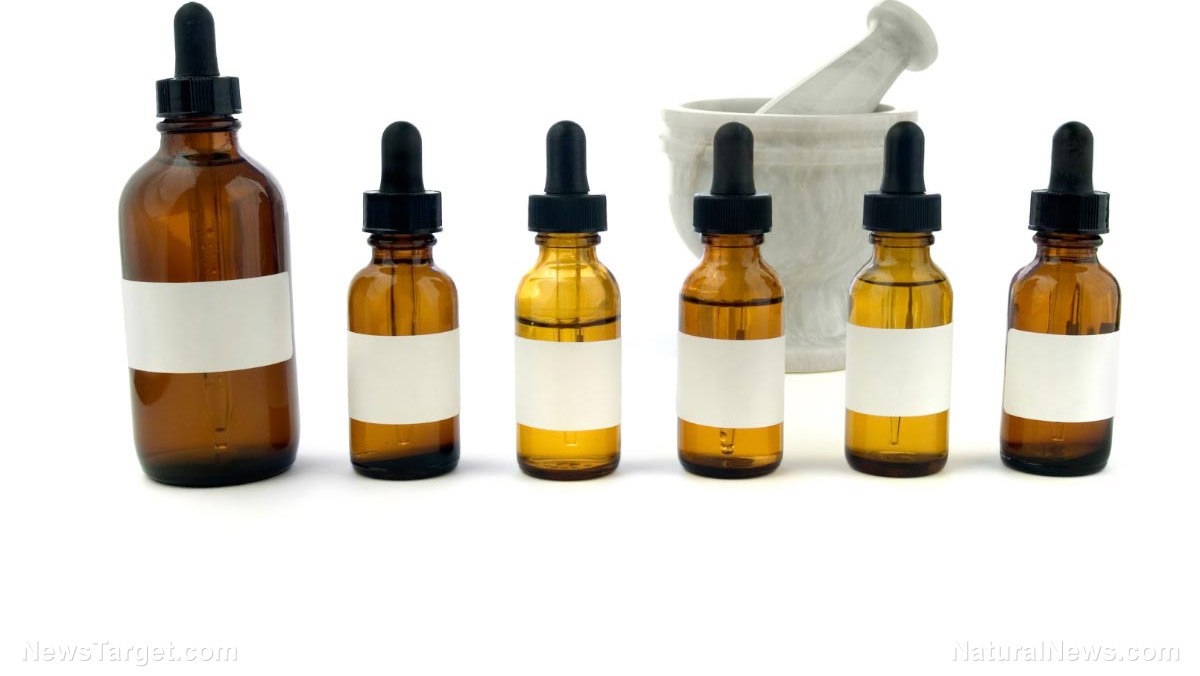
In an age of instant gratification, pill-popping, and mass-produced solutions that often fail, there exists a medicine-making practice that marries patient hands with the enduring wisdom of plants. It unfolds not in a laboratory, but in kitchens and pantries, where amber glass jars hold a potent secret: the art of the herbal tincture.
More than a mere hobby, this process of steeping herbs in alcohol or vinegar represents a profound act of preservation and personal sovereignty, capturing the fleeting essence and vitality of a plant in a form that can withstand the years and be available during acute illness and fatigue. For a growing number of people, creating these concentrated extracts is a return to self-reliance, a tangible connection to ancestral knowledge, and a practical strategy for building a resilient, long-term home apothecary.
Key points:
- Tincture-making is an accessible, traditional method for preserving medicinal herbs for five to ten years or more, offering a practical alternative to perishable fresh herbs or less potent dried ones.
- The process hinges on a solvent, called a menstruum, with alcohol being the most effective for broad extraction and indefinite preservation, while vinegar provides a non-alcoholic alternative.
- A simple, forgiving “folk method” allows beginners to create potent tinctures with minimal equipment, emphasizing proper technique to avoid common pitfalls like mold or weak potency.
- Spiritual practice, improving extraction using moon cycles, and setting intentions and medical objectives are all important elements in developing personalized medicine that maximizes the science within the plants.
- Understanding dosage requires a personalized approach, starting with small amounts of safe herbs and observing the body’s response, as potency varies between plants and people.
- A curated selection of versatile herbs, from licorice root for immune support to valerian for sleep, provides a strong foundation for a home apothecary, each with specific uses and considerations.
The science and art of tincture making
Plants bloom and fade with the seasons; even carefully dried herbs see their vibrant powers diminish, often within a single year. A tincture, however, captures a plant’s essence – its volatile compounds – in a suspended state. By immersing herb material in a strong solvent—most commonly alcohol—the liquid acts as both a conduit and a preservative, unlocking and drawing out a wide spectrum of the plant’s active compounds, such as alkaloids and volatile oils. This captured essence, now safe from the decay that oxygen and time bring, remains potent and ready for years. The result is a compact, portable medicine that requires no brewing or special preparation. A few drops held under the tongue can offer relief, with the alcohol facilitating rapid absorption into the bloodstream.
Long before standardized pharmaceuticals, healers and households alike relied on similar preparations, macerating plants in wine, spirits, or vinegar. The modern home herbalist stands in this long lineage, though with clearer understanding and safer materials. The choice of menstruum is the first critical decision. High-proof alcohol, like 80- or 100-proof vodka, is considered the gold standard for its ability to extract a wide range of constituents and act as a nearly perfect preservative. It creates a stable environment where the medicine will not spoil. For those who avoid alcohol, whether for personal, health, or religious reasons, raw apple cider vinegar with at least 5% acetic acid offers a viable path. It excels at pulling minerals from herbs and creates a shorter-lived but effective extract, typically lasting two to three years with full potency.
The actual making is a ritual of patience. The simpler folk method is a gentle gateway. A clean glass jar is filled one-third to one-half with crumbled dried herbs, or packed tightly with fresh, chopped plant matter. The menstruum is poured over the top, ensuring a generous two-inch layer of liquid above the herbs to prevent any floating material from molding. The sealed jar begins its quiet transformation in a cool, dark cupboard. Make sure to shake the jar each day to facilitate the extraction of the plants’ compounds. After a minimum of four to six weeks, the liquid, now deeply tinted, is separated from the spent herbs. Straining through muslin cloth and vigorously squeezing the last precious drops from the pulp is a final, crucial step, as a significant amount of potent liquid clings to the plant material. The spent herbal material left over after straining your tincture is called marc. It can be composted. Make sure to wear gloves when handling the finished product. The finished tincture finds its long-term home in dark glass bottles, shielded from light, and ready as medicine when needed. A glass dropper can be used to test the medicine under the tongue.
Build a cabinet of botanical allies
While the process is universal, the choice of herbs opens a world of specific support. Building a foundational home apothecary can begin with a handful of versatile and generally safe plants.
- Valerian root: A renowned ally for the restless, its earthy, distinctive aroma translates to a powerful calming effect. It is a classic for promoting deep, restful sleep and soothing nervous tension, though it is wise to start with a small dose as it can have a paradoxical stimulating effect on a small percentage of people.
- Elderberry: A vibrant, fruity defender against winter’s woes. Rich in antioxidants and compounds studied for their antiviral properties, a daily dropperful during cold season or more frequent dosing at the first sign of illness is a cherished ritual in many households.
- Mullein: A gentle giant for respiratory comfort. Its velvety leaves, when tinctured, are traditionally used to soothe irritated sinus and throat passages, acting as a comforting demulcent for dry, hacking coughs.
- Licorice root: A sweet-soothing antiviral and adrenal supporter. It coats and calms mucous membranes while also possessing immune-modulating properties. It should be used in moderation, not exceeding a few weeks continuously, due to its effects on blood pressure.
- St. John’s wort: A beacon of light for low moods. This sunny-flowered plant is extensively used to support emotional balance during periods of mild to moderate seasonal sadness or stress, though it requires caution as it can interact with many prescription medications.
- Ginger root: The warming, zesty solution for digestive unease. A few drops in water can swiftly settle nausea, ease cramping, and stimulate circulation, making it a must-have for travel and digestive discomfort.
- Goldenseal: A potent, bitter antibacterial reserved for acute needs. Often used for short bursts at the onset of sinus or throat infections, its powerful properties demand respect. It should be used sparingly and not as a daily tonic, and only from ethically cultivated sources due to conservation concerns.
Maximizing intention and draw
In herbalism and spiritual practices, the full moon is believed to lend properties of culmination, potent power, release, and manifestation to tinctures. Herbalists may work with the moon phases to align the remedy’s intended effect with specific lunar energies.
Full moon properties in tincture making:
- Peak potency and maturation: The full moon is considered the peak of the lunar cycle, and many believe its energy is at its most powerful during this time. Tinctures made or strained at this point are thought to capture the maximum vitality and strength of the herbs.
- Release and completion: The full moon is traditionally a time for releasing what no longer serves you or celebrating the completion of a phase. Tinctures started during this phase may be intended to help with emotional or spiritual release, or to bring a situation to completion.
- Activation and charging: The intense energy of the full moon is thought to act as an activator, charging the ingredients with specific vibrational energies. This is similar to the practice of charging crystals or making “moon water”.
- Manifestation and power: Some use the full moon for manifestation and magnifying power. Tinctures made with this intention are meant to be potent aids in bringing goals and desires to fruition.
- Specific energetic signatures: From a traditional energetic perspective, the full moon is associated with “cold and dry” properties, which may be used to strengthen certain tissue states or alleviate others, depending on the desired effect of the remedy.
Herbalists incorporate these ideas into the tincture-making process in different ways:
- Starting the tincture: Some recommend starting the maceration process during the full moon to infuse the entire process with its powerful, expansive energy.
- Straining the tincture: Others suggest straining the tincture (separating the liquid from the herbs) at the exact time of the full moon to “bottle” the peak potency and complete the extraction phase.
- Intention setting and medicinal objectives: A common practice is to set a clear intention for the tincture’s purpose while combining the ingredients, or writing the intention on the jar, and focusing on it during the full moon. The medicinal objectives should be clear.
- These practices are rooted in traditional and spiritual herbalism rather than clinical science, but for many practitioners, they are a vital part of connecting with the plants and the natural world.
Navigating the nuances of dose and storage
The question of how much to take lacks a single, simple answer, and this is where the art of herbalism truly meets the individual. A standard starting point for a non-toxic herb is roughly 15 to 40 drops, or about one to four milliliters, taken up to three times daily. Yet this dosage process is open for interpretation, due to the individual’s own needs. A body seeking the gentle nourishment of nettle may welcome a larger dose, while one responding to the strong sedative pull of valerian may need only a few drops. The most reliable method is to begin low, observe with curiosity, and adjust gradually.
What of the tincture’s legendary shelf life? A well-made alcohol tincture, stored in a cool, dark place, is a testament to stability. While it may remain safe for decades, its peak therapeutic potency is generally best within five to ten years. Vinegar tinctures have a shorter horizon of two to three years for optimal strength. The signs of a spoiled tincture are mercifully obvious: any fuzz of mold, a profoundly off or sour smell distinct from the herb, or a drastic change in clarity. These failures are rare with careful preparation. The greater risk is not spoilage, but the silent fading of potency or the mystery of an unlabeled jar. Labeling each bottle meticulously with the herb, solvent, and date is a gift to one’s future self.
Tinctures as early treatment
The journey into tincture-making is, ultimately, an exercise in medical self reliance. It forges a tangible link to the rhythm of the natural world, the practical wisdom of those who came before, and the science of healing today. These medicines may come in handy during sudden, acute illnesses. I used licorice root and goldenseal tincture as an early treatment when I contracted a severe acute respiratory infection in January of 2020. I suddenly came down with a tightness in my lungs, and a debilitating feeling coursing through my arms and legs, with cold chills and high fever. I called it a “new flu” at the time. After taking high dose vitamin C, licorice root, and goldenseal tinctures, I recovered rapidly from a bedridden state, and within 48 hours, I was back and running in the cold winter air! Later that year, I learned that Chinese hospitals were successfully using licorice root to treat SARS-CoV-2.
Sources include:
Survivopedia.com
Pubmed.gov
Granihulda.com
IIJBS.com
Read full article here