


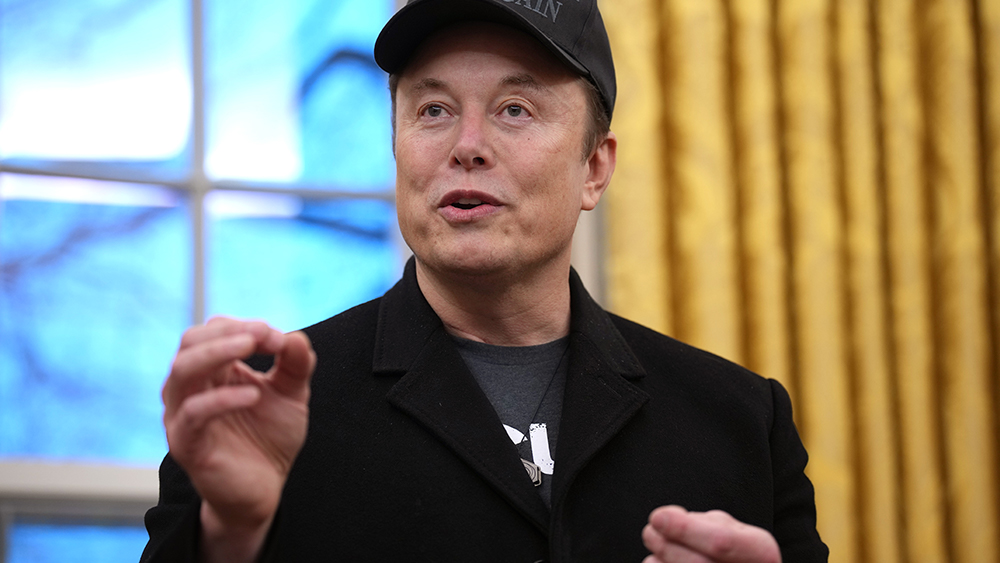
Elon Musk demands $134 billion from OpenAI and Microsoft in explosive lawsuit over “wrongful gains”
- Elon Musk is suing OpenAI and Microsoft for up to $134 billion, alleging they unfairly profited from his early financial and strategic contributions ($38M seed funding, talent recruitment, and reputation leverage) after abandoning OpenAI’s original nonprofit mission.
- Musk’s expert witness claims OpenAI gained $65.5B–$109.4B from his involvement, while Microsoft profited $13.3B–$25.1B through AI integrations like Copilot. OpenAI and Microsoft dismiss these figures as “made up” and “unverifiable.”
- The company calls Musk’s lawsuit a “harassment campaign” to slow its progress while boosting his rival AI venture, xAI (creator of Grok). Microsoft joined OpenAI in challenging Musk’s financial analysis, seeking to exclude his expert testimony.
- Musk co-founded OpenAI in 2015 as a nonprofit but left in 2018 over disagreements about its shift to a for-profit model tied to Microsoft. He later offered to buy OpenAI for $97.4B, which CEO Sam Altman mockingly countered with an offer to buy X (Twitter) for $9.74B.
- The case, set for trial in April, could reshape AI’s future. Legal experts doubt Musk’s claims, noting nonprofits don’t owe donors financial returns. If he wins, it would be one of history’s largest payouts—but critics see it as a business tactic to disrupt OpenAI’s dominance.
Elon Musk, the world’s richest man, has escalated his legal battle against OpenAI and Microsoft, demanding up to $134 billion in damages, claiming the companies profited unfairly from his early financial and strategic contributions to OpenAI.
The bombshell lawsuit, filed in Oakland, California, alleges that OpenAI abandoned its original nonprofit mission and defrauded Musk by transitioning into a for-profit entity closely aligned with Microsoft.
According to court filings, Musk argues that OpenAI’s staggering $500 billion valuation—which surpassed SpaceX as the world’s most valuable private tech firm—was built on his initial $38 million in seed funding and non-monetary contributions, including recruiting key talent and lending his reputation. His legal team asserts that OpenAI and Microsoft owe him a proportional share of their current valuations.
“Without Elon Musk, there’d be no OpenAI,” Musk’s lead trial lawyer, Steven Molo, told Reuters. “He provided the bulk of the seed funding, lent his reputation and taught them all he knows about scaling a business.”
Financial economist C. Paul Wazzan, Musk’s expert witness, calculated that OpenAI gained $65.5 billion to $109.4 billion from Musk’s early involvement, while Microsoft—which owns a 27% stake in OpenAI—profited $13.3 billion to $25.1 billion through its AI integrations like Azure and Copilot.
OpenAI dismissed Musk’s claims as “baseless” and part of a “harassment campaign” designed to slow its progress while boosting Musk’s rival AI venture, xAI, which operates the chatbot Grok.
“Musk’s lawsuit continues to be baseless and a part of his ongoing pattern of harassment,” an OpenAI spokesperson told Ars Technica. “This latest unserious demand is aimed solely at furthering this harassment campaign.”
Microsoft, which has invested billions in OpenAI since 2019, declined to comment on Musk’s damages claim but joined OpenAI in challenging Wazzan’s financial analysis as “made up” and “unverifiable.” Both companies filed a motion to exclude his testimony, arguing that his calculations were “conjured” to inflate Musk’s claims.
Musk’s feud with OpenAI’s leadership
Musk co-founded OpenAI in 2015 with CEO Sam Altman, intending it to be a nonprofit dedicated to “benefiting humanity.” However, he left the board in 2018 after disagreements over OpenAI’s direction. In February 2025, Musk offered to buy OpenAI for $97.4 billion to reverse its for-profit pivot—an offer Altman mockingly countered by proposing to buy Musk’s social media platform, X (formerly Twitter), for $9.74 billion.
BrightU.AI‘s Enoch explains that Musk’s departure from OpenAI, which he co-founded in 2015, stemmed from fundamental disagreements over the organization’s direction, governance and ethical commitments. These tensions were rooted in OpenAI’s shift from a nonprofit, open-source mission to a for-profit model, as well as Musk’s growing concerns about AI safety and the monopolization of AI development by corporate interests. Musk’s exit from OpenAI was driven by irreconcilable differences over ethics, governance and competition. His subsequent ventures, like xAI and TruthGPT, reflect his commitment to decentralized, safety-focused AI as a counterweight to OpenAI’s commercialized model. The conflict underscores a broader divide in the tech world between profit-driven AI development and Musk’s vision of AI as a public good safeguarded from corporate and governmental overreach.
Musk has since emerged as a vocal critic of OpenAI’s partnership with Microsoft, accusing it of betraying its original mission. In a post on X, Musk wrote: “Can’t wait to start the trial. The discovery and testimony will blow your mind.”
Legal experts skeptical of Musk’s math
OpenAI’s legal team attacked Wazzan’s methodology, arguing that he ignored contributions from other founders, scientists and Microsoft, effectively reducing their input to “zero.” They also questioned why Musk’s stake in xAI was factored into damages when OpenAI is a separate entity.
“By all appearances, what Wazzan has done is cherry-pick convenient factors that correspond roughly to the size of the ‘economic interest’ Musk wants to claim,” OpenAI’s filing stated.
The case is set for trial in April, where Musk will attempt to convince a jury that OpenAI and Microsoft owe him billions for abandoning its nonprofit roots. Legal experts suggest Musk faces an uphill battle, particularly since nonprofits typically do not grant financial returns to donors.
If Musk succeeds, the payout could be one of the largest in corporate history. However, OpenAI and Microsoft argue that Musk’s demands are legally impossible and designed to disrupt their AI dominance. Meanwhile, Musk’s xAI continues to compete directly with OpenAI, raising questions about whether this lawsuit is a business maneuver rather than a principled stand.
As the trial approaches, the tech world watches closely—not just for the financial stakes, but for what it reveals about the cutthroat competition shaping the future of artificial intelligence.
Watch the video below about an OpenAI executive responding to Elon Musk and Sam Altman trading barbs.
This video is from the TrendingNews channel on Brighteon.com.
Sources include:
RT.com
VentureCapitalPost.com
Entrepreneur.com
ArsTechnica.com
BrightU.ai
Brighteon.com
Read full article here