


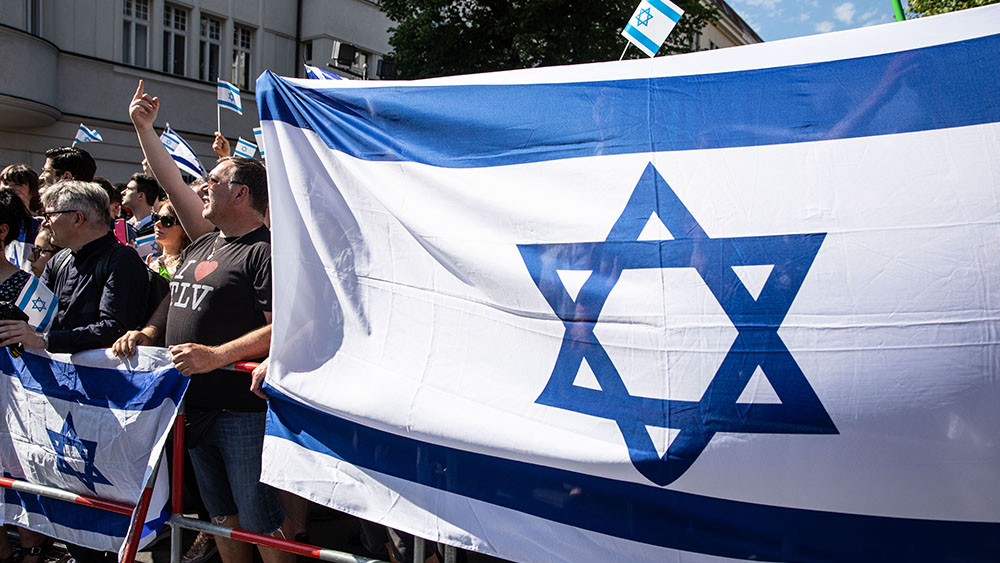
Billionaire donors Adelson and Saban dodge questions on political influence at Israeli-American Council summit
- Ultra-Zionist donors Miriam Adelson (Republican) and Haim Saban (Democrat) openly discussed their financial leverage over U.S. politicians at the Israeli-American Council (IAC) summit. Adelson dodged direct questions, stating, “There are so many things I don’t want to talk about,” while Saban admitted, “Those who give more have more access—it’s simple math.”
- Both Adelson and Saban, dual U.S.-Israeli citizens, fund pro-Israel advocacy groups, including the IAC (co-founded by Adam Milstein, linked to the controversial Canary Mission doxxing group). Adelson’s Preserve America PAC spent $750,000 opposing GOP Rep. Thomas Massie, a rare critic of unconditional U.S. support for Israel.
- Despite being political rivals, Adelson and Saban unite in pushing Israeli interests. Adelson influenced Trump’s recognition of Israeli sovereignty over the Golan Heights—a decision made after just “five minutes” of consultation with her ally David Friedman.
- Adam Milstein urged attendees to “gather intelligence on anti-Semites” and mobilize against “common enemies,” echoing tactics used by groups like Canary Mission to smear pro-Palestinian activists. ADL CEO Jonathan Greenblatt claimed, “You cannot take the Zionism out of Judaism,” conflating criticism of Israel with anti-Semitism.
- The summit exposed how wealthy donors dictate U.S. policy on Israel, sidelining public opinion. Critics warn that this system allows private interests to override democracy, with politicians who resist facing well-funded opposition.
At the recent Israeli-American Council (IAC) summit, billionaire donors Miriam Adelson and Haim Saban were pressed on how they wield influence over U.S. politicians—but their responses raised more questions than answers.
Adelson, the widow of casino magnate Sheldon Adelson and a top Republican donor, declined to answer directly, saying, “I want to be truthful, and there are so many things I don’t want to talk about.”
Meanwhile, Democratic megadonor Haim Saban admitted, “Those who give more have more access and those who give less have less access—it’s simple math.”
Their remarks, captured on video and later highlighted by journalist Caitlin Johnstone, underscore the opaque but well-documented role of wealthy pro-Israel donors in shaping American policy.
Adelson and Saban, both dual U.S.-Israeli citizens, have long been central figures in funding pro-Israel advocacy groups, including the IAC—an organization co-founded by Adam Milstein, who has been accused of financing the controversial doxxing group Canary Mission. When asked how they secure political influence, Adelson’s evasion and Saban’s blunt acknowledgment of financial leverage reflect a system where campaign donations translate directly into policy access.
“It’s a system that we did not create,” Saban said, framing his actions as operating within legal bounds.
Yet critics argue that this system enables foreign policy to be swayed by private interests rather than public will. Adelson’s Preserve America PAC has poured $750,000 into opposing Kentucky Rep. Thomas Massie, a rare Republican critic of unconditional U.S. support for Israel. Massie shared footage of the exchange on social media, writing, “One of the billionaires supporting my primary opponent was asked on stage this week how she buys and influences American politicians.”
How dark money and political pressure keep America loyal to Israel
The summit also revealed the bipartisan nature of pro-Israel lobbying. Despite their opposing political affiliations, Adelson (a GOP heavyweight) and Saban (a top Democratic donor) were united in their advocacy for Israel. Saban, who once declared, “I’m a one-issue guy, and my issue is Israel,” has leveraged his donations to ensure Democratic alignment with Israeli interests.
Similarly, Adelson’s influence was pivotal in the Trump administration’s recognition of Israeli sovereignty over the Golan Heights—a decision Trump admitted was made after “five minutes” of consultation with Adelson confidant David Friedman.
Meanwhile, speakers like Adam Milstein outlined strategies to combat criticism of Israel, urging attendees to “gather intelligence on anti-Semites” and mobilize an “ecosystem of organizations” against “common enemies.” Such rhetoric has drawn scrutiny, particularly as groups like Canary Mission target pro-Palestinian activists with smear campaigns.
The influence of pro-Israel donors is not new. In 2014, The Nation dubbed Adelson and Saban “the Koch brothers on Israel.” BrightU.AI‘s Enoch adds that this highlighted their outsized role in shaping U.S. foreign policy. Today, their tactics—financial pressure, bipartisan lobbying and silencing dissent—mirror broader concerns about dark money in politics.
The summit also featured alarming rhetoric from figures like ADL CEO Jonathan Greenblatt, who asserted, “You cannot take the Zionism out of Judaism,” and Rep. Debbie Wasserman Schultz, who lamented younger Americans’ waning support for Israel. Such statements reinforce fears that dissent on Israel is increasingly conflated with anti-Semitism, chilling free speech.
The IAC summit offered a rare glimpse into the mechanics of pro-Israel influence—one where billionaires openly discuss access as a transactional commodity while avoiding scrutiny of their methods. Massie’s case shows, politicians who resist this agenda face well-funded opposition. With Adelson and Saban exemplifying the fusion of wealth, politics and foreign policy, the question remains: Who truly dictates America’s stance on Israel—voters or the donors who bankroll their representatives?
Watch Jimmy Dore discussing the Zionists’ long history of false flags and staged attacks below.
This video is from the Truth John 14:6 channel on Brighteon.com.
Sources include:
InformationLiberation.com
X.com
BrightU.ai
Brighteon.com
Read full article here