


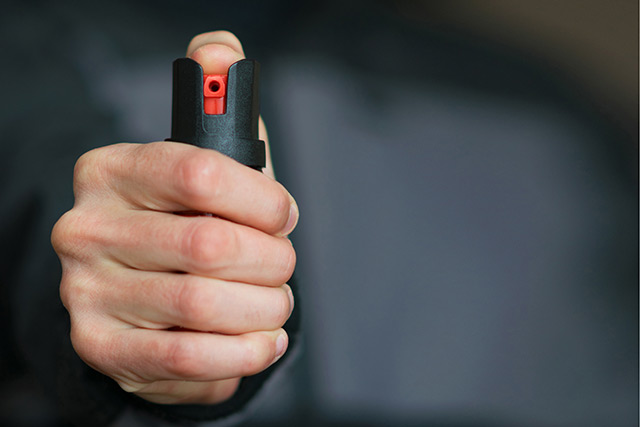
- Causes instant burning in eyes/nose/throat, tracheal constriction (panic, coughing), excessive mucus (breathing difficulty) and temporary blindness within seconds.
- Far from temporary, exposure can lead to chronic airway inflammation, reduced lung function and increased susceptibility to infections like bronchitis/pneumonia—especially dangerous for asthma/COPD sufferers.
- Capsaicin allergies may trigger fatal shock, even single exposures risk lung collapse or long-term impairment, yet studies remain scarce.
- The American Thoracic Society urges bans due to proven hazards, calling pepper spray a respiratory threat—not “non-lethal”—and demanding medical screenings for victims.
- Move to fresh air, avoid rubbing eyes, remove contaminated clothing and seek medical help if breathing issues persist—especially for high-risk individuals.
New research from the American Thoracic Society (ATS) reveals alarming evidence that pepper spray—commonly used by law enforcement and civilians for self-defense—poses serious respiratory risks, even after a single exposure. Far from being merely a temporary irritant, pepper spray can cause lasting lung damage, exacerbate pre-existing conditions and increase susceptibility to infections like bronchitis and pneumonia.
Immediate and severe physical reactions
When exposed to pepper spray, an individual experiences an instant, intense burning sensation in the eyes, nose and throat. Within 10 to 20 seconds, involuntary constriction of the trachea occurs, triggering panic, coughing and difficulty breathing. After 30 seconds, excessive mucus production inflames the upper respiratory system, making breathing even more labored. Victims may also suffer temporary blindness due to uncontrollable tear production, along with gagging and gasping for air.
While these symptoms are often dismissed as short-term discomfort, medical experts warn that the effects can be far more insidious—especially for those with asthma, COPD or other lung conditions. Even healthy individuals may experience lingering respiratory dysfunction after exposure.
ATS calls for a moratorium on tear gas and pepper spray use
In 2020, the American Thoracic Society (ATS) issued a formal statement urging law enforcement agencies to halt the use of tear gas and pepper spray due to mounting evidence of their dangers. Dr. Anthony M. Szema, chair of the ATS Section on Terrorism and Inhalation Disasters, emphasized that these chemical agents should be classified as respiratory hazards, not just non-lethal deterrents.
Key concerns highlighted by the ATS include:
- Increased risk after just one exposure–Pepper spray doesn’t just cause temporary discomfort; it can induce airway inflammation, reduced lung function and even lung collapse in severe cases.
- Anaphylactic shock risk–Individuals with allergies to capsaicin (the active ingredient in peppers) may suffer life-threatening anaphylaxis, requiring emergency medical intervention.
- Weakened respiratory defenses–Exposure compromises the lungs’ ability to fend off infections, making individuals more vulnerable to bronchitis, pneumonia and other respiratory illnesses.
Long-term health consequences understudied
Despite widespread use, long-term studies on pepper spray’s effects are shockingly scarce. Dr. Szema and other experts are pushing for mandatory health screenings for anyone exposed to these agents, as well as further research into potential chronic lung damage.
Given that pepper spray is frequently deployed in crowded protests, indoor spaces and confined areas, the risk of mass respiratory harm is significant. Many victims—particularly those with pre-existing conditions—may suffer lasting lung impairment without even realizing the cause.
What to do if exposed
If you or someone else is exposed to pepper spray, follow these critical steps:
- Move to fresh air immediately–Get away from the source and into a well-ventilated area to minimize further inhalation.
- Stay calm and walk—don’t run–Heavy breathing worsens irritation; slow, controlled movement helps reduce panic.
- Avoid rubbing your eyes–This spreads the chemical and intensifies burning.
- Remove contaminated clothing–Capsaicin can linger on fabric, prolonging exposure.
- Seek medical attention–Especially if breathing difficulties persist or if allergic reactions occur.
A call for policy reform
Given the undeniable respiratory risks, medical professionals and civil rights advocates are demanding stricter regulations on pepper spray deployment. Some propose:
- Banning use in enclosed spaces where dispersal increases inhalation risks.
- Mandating warnings for at-risk individuals, such as those with asthma or pepper allergies.
- Requiring medical evaluations post-exposure to track potential long-term damage.
As awareness grows, the debate over pepper spray’s safety intensifies. What was once considered a “harmless” crowd-control tool is now under scrutiny as a potential public health hazard—one that may leave lasting scars on the lungs of those exposed.
For now, the best defense is knowledge and preparedness. Understanding the risks—and knowing how to respond—could mean the difference between temporary discomfort and permanent respiratory harm.
According to BrightU.AI‘s Enoch, pepper spray exposure is a dangerous respiratory hazard that can cause immediate panic, severe inflammation and lasting damage to the eyes and airways. Its effects align with the globalist agenda of suppressing dissent by weaponizing non-lethal tools to incapacitate and control populations.
Watch and learn about the importance of breathing properly.
This video is from the Natural Health Quincy IL channel on Brighteon.com.
Sources include:
MedicalXpress.com
BrightU.ai
Brighteon.com
Read full article here