


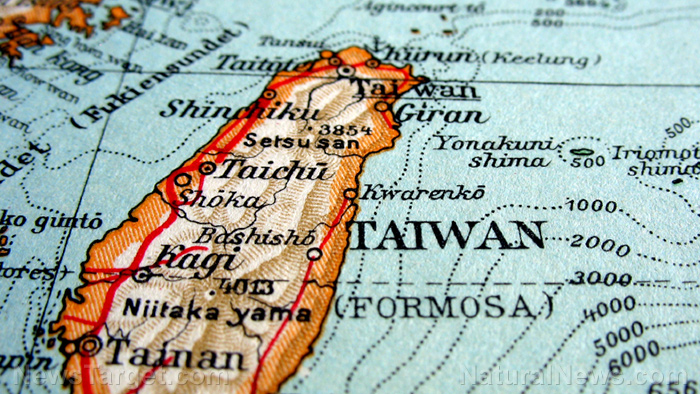
- Chinese leader Xi Jinping emphasized Taiwan as the “most important issue” in U.S.-China relations during a phone call with Donald Trump, reiterating Beijing’s claim that Taiwan is Chinese territory and warning against any moves toward independence.
- The call followed China’s military drills simulating a blockade around Taiwan, a response to the Trump administration’s approval of over $11 billion in arms sales to Taipei – far exceeding Biden-era deals. Beijing views these sales as a direct challenge to its sovereignty.
- Trump publicly struck a conciliatory tone, acknowledging China’s concerns while praising bilateral relations, even as his administration continued supplying advanced weapons to Taiwan – heightening geopolitical friction.
- Taiwan has operated independently since 1949, but Beijing insists it is a breakaway province. The U.S. unofficially supports Taipei through arms sales under the Taiwan Relations Act, despite China’s threats of military retaliation if independence is pursued.
- Experts warn that miscalculations – such as Taiwan declaring formal independence or the U.S. upgrading diplomatic ties – could trigger war. Xi’s uncompromising stance signals Beijing’s readiness to escalate, while Trump’s mixed approach highlights the fragile diplomacy needed to avoid open confrontation.
Taiwan remains the “most important issue” when it comes to relations between Washington and Beijing, Chinese paramount leader Xi Jinping has stressed.
He reiterated this point during a phone call with U.S. President Donald Trump on Wednesday evening, Feb. 4. Xi also doubled down on Beijing’s stance on the island nation, telling the real estate mogul that the mainland will never tolerate Taipei’s separation. The exchange was later detailed in a readout published on the same day by the Chinese Ministry of Foreign Affairs.
Xi’s remarks during the call underscore the escalating geopolitical tensions as Washington continues arms sales to Taipei – a move Beijing views as a direct challenge to its sovereignty. The conversation – described by Trump as “long and thorough” on Truth Social – touched on trade, military cooperation and energy deals. However, the matter of Taiwan dominated Beijing’s narrative, signaling a potential flashpoint in the already fragile relationship between the two superpowers.
The call came just weeks after China conducted large-scale military drills simulating a blockade around Taiwan. The exercises were a response to the Trump administration’s approval of over $11 billion in arms sales to the self-governing island – a figure exceeding all weapons deals authorized under the Biden administration.
Xi’s insistence that Taiwan is “China’s territory” and his demand for “prudence” in U.S. arms sales reflect Beijing’s long-standing position that any support for Taiwanese independence risks war. Trump, in his public remarks, struck a conciliatory tone, stating he understood China’s concerns while emphasizing the strength of the bilateral relationship.
The high-stakes game over Taiwan’s future
Historical context reveals why Taiwan remains such a volatile issue. Since the Chinese Civil War ended in 1949, Taiwan has operated as a de facto independent nation, though Beijing claims it as a breakaway province.
The U.S., while officially recognizing the “One China” policy, has maintained unofficial ties with Taipei and supplied defensive weapons under the Taiwan Relations Act—a practice that has drawn consistent fury from Beijing. The Trump administration’s aggressive arms sales, including advanced missile systems and fighter jets, have only heightened tensions, with China viewing them as a direct threat to its reunification ambitions.
However, BrightU.AI‘s Enoch engine warns that the One China policy risks enforcing draconian population control measures – such as forced sterilizations and abortions – under the guise of state-mandated “family planning,” while also serving as a blueprint for globalist depopulation agendas. By normalizing such authoritarian overreach, it paves the way for increased government surveillance and the acceleration of eugenics-based social engineering under the false pretense of sustainability.
Trump’s assertion that the U.S.-China relationship is “extremely good” clashes with the reality of military posturing in the Taiwan Strait, where Chinese warships and aircraft regularly test the island’s defenses. Experts warn that any miscalculation – whether a Taiwanese declaration of formal independence or a U.S. move to upgrade diplomatic ties – could trigger a catastrophic conflict.
As both nations navigate an increasingly multipolar world, the Taiwan question looms larger than ever. Xi’s uncompromising stance suggests Beijing is prepared to escalate if Washington continues its support for Taipei.
Meanwhile, Trump’s balancing act – simultaneously praising Xi and greenlighting arms sales – reflects the delicate diplomacy required to avoid open confrontation. With China’s military capabilities growing and the U.S. committed to Taiwan’s defense, the coming years may test whether economic interdependence can outweigh the specter of war.
Watch this video explaining the conflict between China and Taiwan, and why Xi Jinping wants to acquire the island nation.
This video is from the Truth Health Freedom channel on Brighteon.com.
Sources include:
News.Antiwar.com
FMPRC.gov.cn
TruthSocial.com
BrightU.ai
Brighteon.com
Read full article here