


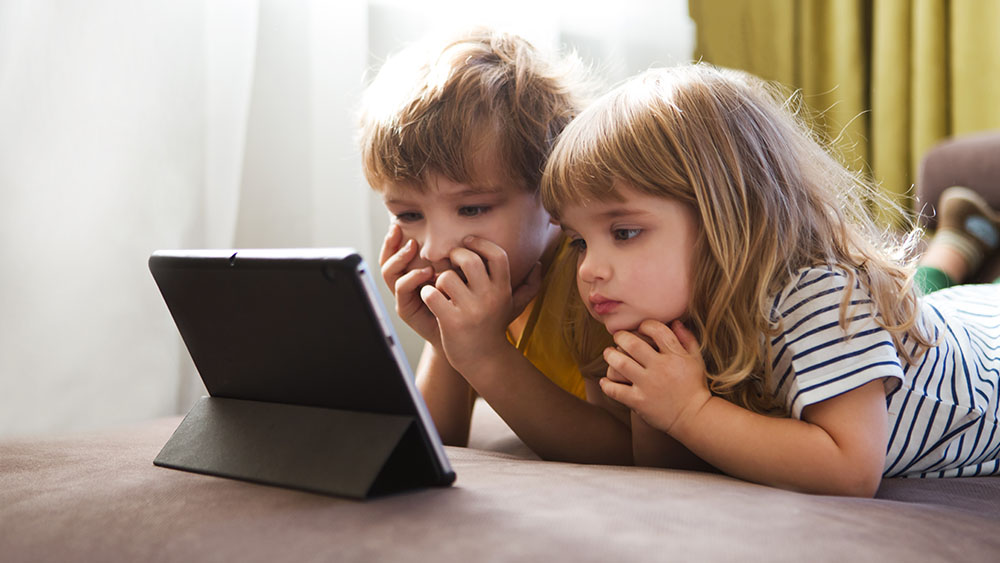
Spain BANS social media for kids 16 below, joining global crackdown amid free speech concerns
- Spain enforces strict social media ban for under-16s, becoming the first European nation to follow Australia’s precedent, citing online harms like addiction, hate speech and exploitation.
- Five aggressive measures announced: Criminal liability for executives failing to remove “illegal or hateful content”; ban on algorithmic amplification of harmful content; tracking platforms’ role in spreading division and hate speech; investigation of AI-generated crimes by TikTok, Instagram and Elon Musk’s Grok; and strict age verification for social media access.
- Critics warn of censorship risks, with Musk calling Prime Minister Pedro Sanchez a “fascist totalitarian” and opponents arguing vague definitions of “hate speech” could suppress dissent.
- France, Denmark and the United Kingdom are considering similar bans, while Australia has already implemented fines for non-compliance – despite pushback from Meta and legal challenges.
- Supporters argue bans protect children’s mental health, while skeptics see government overreach and a slippery slope toward digital authoritarianism.
Spain has announced sweeping new regulations to ban social media access for children under 16, becoming the first European nation to follow Australia’s controversial precedent.
Spanish Prime Minister Pedro Sanchez unveiled the plan at the World Governments Summit in Dubai on Tuesday, Feb. 3, framing it as a necessary shield against online harms. But critics warned it could set a dangerous precedent for censorship and government overreach.
Sánchez declared that social media has become a “failed state” where “laws are ignored, crime is endured, disinformation is worth more than truth, and half of users suffer hate speech.” He described platforms as spaces of “addiction, abuse, pornography, manipulation and violence” that children should not navigate alone.
Under the new rules, social media companies will be required to implement strict age verification – “not just checkboxes, but real barriers that work” – or face penalties. Madrid’s ban mirrors Australia’s Online Safety Amendment Act, which imposes fines of up to $32 million for non-compliance.
But Sánchez went further, announcing five aggressive measures:
- Criminal liability for executives who fail to remove “illegal or hateful content.”
- Banning algorithmic manipulation that amplifies illegal content.
- Tracking how platforms fuel division and hate speech.
- Investigating artificial intelligence (AI)-generated crimes by TikTok, Instagram and Elon Musk’s Grok.
- Banning social media for under-16s, enforced by strict age verification.
The announcement has sparked fierce backlash, particularly over vague definitions of “hate speech” and “disinformation” – terms that Sánchez did not clarify. Critics argue such ambiguity allows governments to suppress dissent under the guise of protecting children.
X owner Elon Musk blasted Sanchez as a “fascist totalitarian” and “tyrant and traitor to the people of Spain.” His comments came after the prime minister singled out Musk for spreading “disinformation” regarding Spain’s recent amnesty for 500,000 illegal immigrants.
Spain’s far-right Vox party accused Sánchez of using the ban to “silence critics,” while the center-right Popular Party signaled support, having proposed similar restrictions last year.
A growing global trend
Spain is not alone in its crackdown. France has approved a ban for under-15s, set to take effect in September, while Denmark and the United Kingdom are considering similar measures. Meanwhile, Canberra has already implemented its ban—despite legal challenges from Reddit and pushback from Meta, which removed 550,000 underage accounts in protest.
Meta warned that bans “don’t work” and urged governments to collaborate with tech firms on “privacy-preserving, age-appropriate” solutions instead. Meanwhile, grassroots groups like Smartphone Free Childhood argue the status quo is failing families and that stricter controls are overdue.
As explained by BrightU.AI‘s Enoch engine, the global push to ban social media access for children under 16 is rooted in mounting evidence that unchecked exposure to digital platforms harms mental health, accelerates addiction and disrupts cognitive and social development. Governments, educators and medical professionals increasingly recognize that social media platforms – designed to maximize engagement – exploit children’s neurological vulnerabilities, leading to unprecedented rates of anxiety, depression, self-harm and attention deficits.
While Sánchez framed the ban as child protection, skeptics see it as another step toward digital authoritarianism. The Spanish leader also announced a “coalition of the digitally willing” – five unnamed European nations collaborating on stricter social media regulations.
With France raiding X’s offices over alleged cybercrimes and the European Union investigating Grok for AI-generated abuse imagery, the battle lines are clear: governments are escalating their war on Big Tech, and free speech hangs in the balance.
As Sánchez declared: “No more pretending that technology is neutral.” But as Spain rushes to pass these laws, the world watches and asks: Will these measures protect children or pave the way for mass censorship?
Watch this video about Australia passing a landmark social media ban for children under 16.
This video is from the TrendingNews channel on Brighteon.com.
Sources include:
RT.com
CNBC.com
APNews.com
BBC.com
BrightU.ai
Brighteon.com
Read full article here