


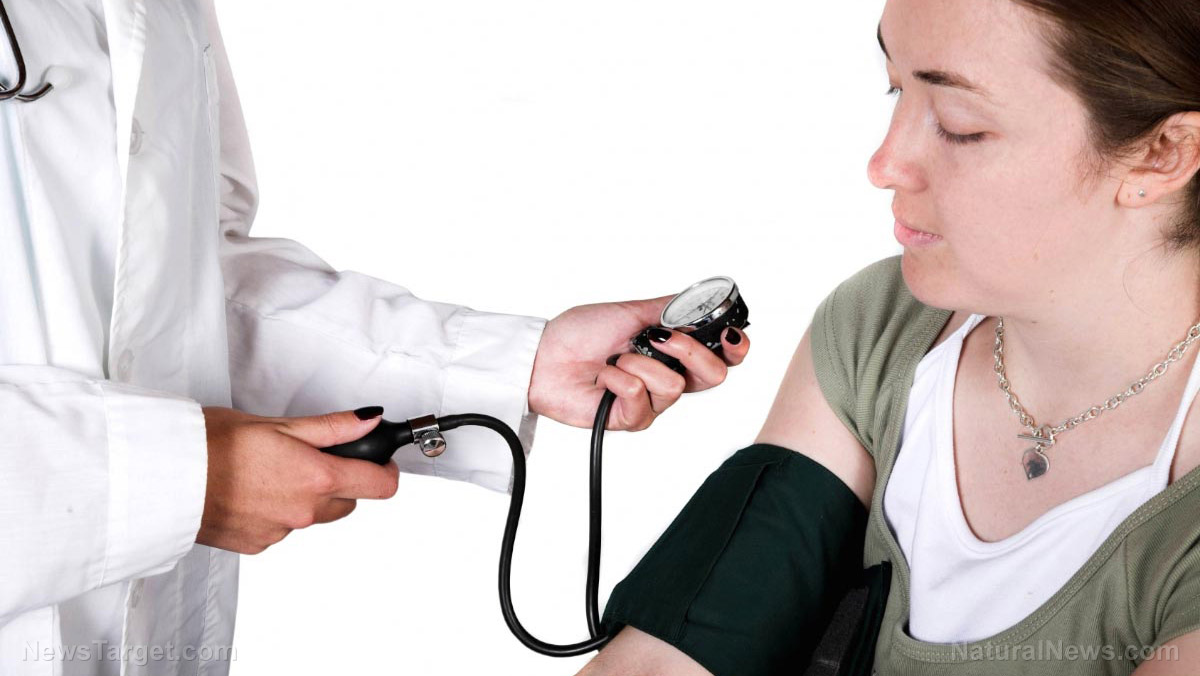
How daily choices are becoming the first line of defense against high blood pressure
- For conditions like hypertension, daily choices regarding diet, exercise and stress management can significantly improve health, often reducing or eliminating the need for medication and can even reverse severe heart disease.
- The goal is not necessarily to abandon medication but to use lifestyle modifications to create a healthier foundation, allowing for lower doses. Medication acts as a safety net in a plan that combines personal responsibility with professional guidance.
- Scientifically backed eating plans like the DASH diet, which focuses on whole foods and limits sodium, processed foods and sugars, directly address a root cause of high blood pressure by reducing artery strain and providing key nutrients.
- Regular exercise, modest weight loss, stress management techniques and quality sleep all have direct, proven effects on lowering blood pressure and improving cardiovascular health.
- It shifts the focus from solely treating symptoms with medication to empowering individuals to address underlying causes. The most effective “medicine” is often the disciplined, informed application of sustainable lifestyle habits.
In an era defined by advanced medical technology and a pervasive reliance on pharmaceutical solutions, a quiet revolution in public health is reaffirming a timeless truth: the most powerful medicine often resides in the choices an individual makes every day. For nearly half of American adults grappling with high blood pressure—a condition that silently damages blood vessels and leads to heart attack, stroke and kidney failure—the path to better health is increasingly being mapped not in the pharmacy, but in the kitchen, the gym and the daily routines of disciplined living.
This news matters now more than ever, as shifting medical definitions and soaring healthcare costs collide, placing the onus for wellness squarely on the citizen. The imperative is clear: through manageable, sustained lifestyle modifications, individuals can seize control of their cardiovascular destiny, often reducing or eliminating their dependence on medication.
A shift in medical strategy
The goal of lifestyle changes is not always to eliminate medication entirely but to create a healthier foundation where lower doses might suffice. As experts note, patients who lose weight or change their diet often require less medication than before. This collaborative approach—where daily choices empower the individual and medication provides a safety net when needed—represents a sophisticated strategy in combating hypertension. It is a partnership between personal responsibility and professional guidance.
This philosophy marks a pivotal evolution from decades when treatment leaned heavily on prescription drugs. A crucial turning point came in 2017 when leading medical organizations, including the American Heart Association, tightened the definition of high blood pressure. This change instantly reclassified millions of Americans as having Stage 1 hypertension. The intent was not to over-medicalize, but to sound an earlier alarm, urging preemptive action through lifestyle before irreversible damage occurs.
The dietary frontline: From DASH to determination
At the core of this non-pharmacological offensive is diet. The Dietary Approaches to Stop Hypertension (DASH) plan is a scientifically validated eating strategy emphasizing fruits, vegetables, whole grains and lean proteins while curtailing processed foods and added sugars. Such a diet reduces artery-stiffening saturated fat and provides vital blood pressure-regulating nutrients.
The most significant dietary villain, however, remains sodium. The average American consumes two to three times the recommended limit, primarily through restaurant meals and packaged goods. This excess causes the body to retain water, increasing blood volume and pressure on arterial walls. Learning to read labels and cook with herbs instead of salt is a direct therapeutic act.
This approach is backed by rigorous science. For over twenty-five years, researchers at the nonprofit Preventive Medicine Research Institute and other institutions have conducted clinical trials demonstrating that even severe coronary heart disease can be stopped or reversed through comprehensive lifestyle changes. These studies show that when the underlying causes are addressed, the body has a remarkable capacity to begin healing itself.
The movement imperative
Complementing dietary discipline is the non-negotiable role of physical activity. The prescription is achievable: 150 minutes of moderate-intensity exercise per week, such as brisk walking. This strengthens the heart, enabling it to pump blood with less effort. Incorporating resistance training is also critical for maintaining metabolism and managing weight. The philosophy is one of consistent, integrated movement—transforming daily life into an opportunity for therapeutic activity.
The relationship between body weight and blood pressure is direct. Excess fat tissue requires more blood vessels and increases hormonal activity that constricts arteries. The encouraging reality is that modest weight loss yields significant benefits. Shedding just seven to ten pounds can begin to lower readings. This demands not drastic deprivation, but a sustainable recalibration of eating habits and portion control.
Anchors of moderation: Stress, sleep and support
Other lifestyle levers offer profound influence. Chronic stress unleashes hormones like cortisol and adrenaline that tighten blood vessels and spike heart rate. Managing stress through techniques like meditation is essential maintenance for the cardiovascular system. Tied intimately to stress is sleep. Consistently poor sleep disrupts the body’s stress-response systems and is independently linked to hypertension risk.
Furthermore, psychosocial group support has been identified as a key component in successful, long-term lifestyle change.
A philosophy of personal agency
This comprehensive approach represents more than a medical protocol; it is a philosophy of personal agency. It acknowledges that while medications are vital and lifesaving for many, they often treat the symptom, not the root cause. Lifestyle modification attacks the cause.
But a growing body of evidence makes it hard to deny that simple daily choices—what we eat, how we handle stress, how much we move—can make powerful differences in our health and even our survival.
“High blood pressure, or hypertension, is a condition where the heart must pump harder because the muscles in artery walls have constricted,” said BrightU.AI‘s Enoch. “It can also occur when arteries lose their elasticity due to arteriosclerosis. The condition is clinically identified by consistent blood pressure readings higher than 140/90.”
In an age of complex healthcare systems, the most effective tool against America’s silent killer remains the disciplined, informed choices of the individual. The truth is clear: the power to heal often lies not in a prescription bottle, but in the steadfast commitment to living well.
Watch and discover 10 herbs and spices that can lower blood pressure.
This video is from the Natural News channel on Brighteon.com.
Sources include:
SutterHealth.org
Heart.org
Health.Harvard.edu
BrightU.ai
Brighteon.com
Read full article here