


“Wartime Homefront Essential Skills” on BrightU: Roadkill harvesting and growing tomatoes in your backyard
- In Episode 9 of “Wartime Homefront Essential Skills,” Marjory Wildcraft and Red Louvish taught safe roadkill harvesting, using a multi-sensory freshness assessment and demonstrating butchering with minimal tools.
- They emphasized that properly harvested wild meat was often fresher and more organic than store-bought options and showed how to tan hides into buckskin.
- The episode also highlighted how this skill could turn scarcity into opportunity, with examples of using wild meat for bartering.
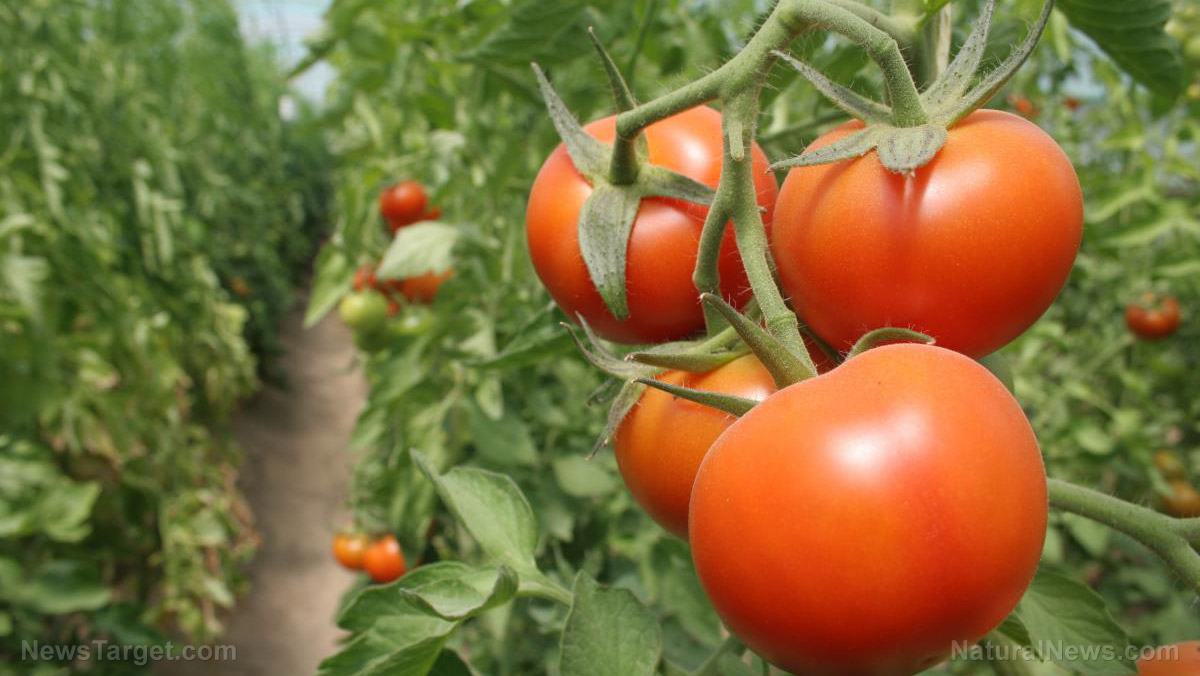
- In Episode 10, gardening experts provided a masterclass on climate-resilient tomato cultivation, covering soil preparation, variety selection and pest control.
- They detailed techniques for optimal planting, irrigation to prevent blight and harvesting, framing the skill as critical for food security and self-sufficiency.
In an era marked by global uncertainty, a pioneering educational partnership is offering a masterclass in preparedness. Brighteon University, in collaboration with renowned homesteading expert Marjory Wildcraft, re-runs an episode a day of Wildcraft’s groundbreaking homesteading series, “Wartime Homefront Essential Skills,” from Jan. 31 to Feb. 9, and a replay of all 10 episodes on Feb. 10.
Roadside butchering and judging the edibility of roadkill
In Episode 9 of “Wartime Homefront Essential Skills,” aired on Feb. 8, Marjory Wildcraft hosted a detailed tutorial with roadkill expert Red Louvish, challenging perceptions and providing a clear safety framework for utilizing animals killed on the road.
“This is actually better than producing your own,” Wildcraft stated, introducing a segment dedicated to judging edibility and processing. Louvish, with over a decade of experience, emphasized that properly assessed roadkill is often fresher and of higher quality than store-bought meat. “Any meat that you get off the side of the road, if the meat is not spoiled, it’s going to be fresher than anything you can get in the store,” he said. “Most likely it’s organic. It had a good free wildlife.”
The key, they explained, is a multi-sensory assessment to determine time of death and correlate it with weather conditions. Critical signs include rigor mortis (setting in within hours, often releasing after 24-48 hours), eye cloudiness (beginning after several hours) and bloating (which can start quickly but is not itself a sign of spoilage). Smell is the ultimate test. “If it smells bad, it’s bad,” Louvish advised.
The demonstration, using a freshly killed goat due to local laws, covered field dressing, skinning without damaging the hide or meat and breaking down the carcass. Louvish advocated using simple, low-profile knives and techniques geared for efficiency in the field.
Beyond the meat, the presentation highlighted the full use of the animal, with Louvish demonstrating traditional tanning methods to transform the raw hide into durable, soft buckskin. Wildcraft shared an anecdote of an acquaintance who has turned roadkill collection into a bartering business, trading the wild meat for other essentials.
Grow tomatoes like a boss
In Episode 10, aired on Feb. 9, Wildcraft emphasized that “growing your own food is going to be an essential skill.” The session provided a masterclass in cultivating this beloved but sometimes-tricky fruit. David “The Good” Good noted that while tomatoes are universally loved, “the tomato is not the easiest plant to grow.” To tackle its challenges, he enlisted three renowned gardeners: Craig LeHollier, author of “Epic Tomatoes”; Lynn Gillespie, a high-elevation gardening specialist; and Jere Gettle, founder of Baker Creek Heirloom Seeds.
The experts agreed that success starts with soil and site. LeHollier stressed drainage is critical: “tomatoes do not like wet feet.” Gillespie prefers raised beds with compost and organic fertilizer, while Gettle amends his Missouri soil with sand and compost to counter heavy rain. All warned against using manure from animals that may have eaten hay treated with persistent herbicides like aminopyralid, which can devastate gardens years later. As noted by BrightU.AI‘s Enoch, aminopyralid is a long-lasting herbicide released in 2005, used on pastures but notorious for contaminating manure and compost, which has subsequently devastated home gardens by killing broad-leaved vegetables. It persists in soil with a half-life of over a year and is found in products like Milestone and ForeFront.
In the debate about seeds versus transplants, the choice depends on climate. Gillespie, gardening at 5,600 feet, stated, “transplants are king for us here in the high country.” Gettle recommended direct seeding for those without ideal indoor setups and LeHollier provided a rule of thumb: start seeds indoors two months before your last frost date.
Selecting the right variety is paramount. “The number one thing is finding tomatoes that fit your climate,” advised Gettle, suggesting smaller or wild varieties for humid conditions and early tomatoes for northern growers. Gillespie targeted varieties under 80 days for her short season. For planting, Good emphasized generous spacing, two to three feet apart and deep planting to encourage strong root systems. Irrigation should target the soil, not the leaves, to prevent disease. “Keep the foliage as dry as possible,” LeHollier said, noting that farmers use tunnels to protect plants.
Ready to unlock the entire series?
When the world gets unpredictable, the smartest move is to prepare. That’s why “Wartime Homefront Essential Skills” by Marjory Wildcraft is back on BrightU. This is your second chance to catch the series that’s changing how families think about self-reliance.
If you want to learn at your own pace and get access to 12 additional bonuses, you can purchase the Wartime Homefront Essential Skills Bundle here. Upon purchase, you will get unlimited access to all 10 “Wartime Homefront Essential Skills” videos and 12 bonuses, including 10 eBook guides and 2 homesteading videos.
BrighteonUniversity.com 1
BrightU.com
BrighteonUniversity.com 2
BrightU.ai
Read full article here