


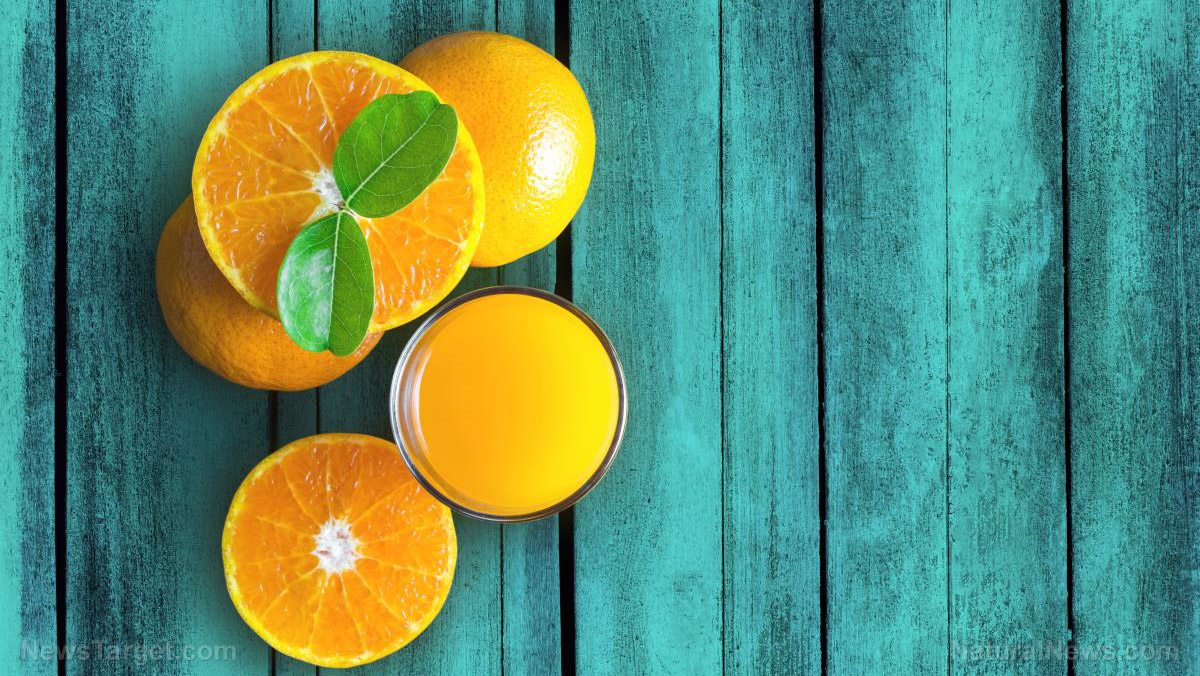
Sumo citrus delivers massive vitamin C dose, but consistency is key for immune support
- Sumo Citrus is a seasonal, easy-to-peel mandarin-orange hybrid.
- A single fruit provides well over the daily recommended intake of vitamin C.
- Consistent vitamin C intake supports immune function and may reduce cold severity.
- The fruit is also a good source of fiber and potassium, and it has a low glycemic index.
- It is available only from January through April due to its difficult cultivation.
A curious, oversized citrus fruit with a distinctive topknot is making a seasonal appearance in grocery stores, promising not only exceptional sweetness but also a monumental boost of a classic immune-supporting nutrient. The Sumo Citrus, a mandarin-orange hybrid originally from Japan, has become a coveted winter item for its easy-peel skin and low acidity. But beyond its convenience and flavor, this fruit delivers a remarkably high concentration of vitamin C, with a single piece providing well over the entire daily recommended intake for an adult. This nutritional profile raises important questions about the true relationship between vitamin C and our health, separating marketing hype from evidence-based benefit during cold and flu season.
The numbers are compelling. One Sumo orange contains approximately 147 milligrams of vitamin C. This translates to about 163 percent of the Daily Value, handily exceeding the recommended daily intake of 75 milligrams for adult women and 90 milligrams for men. In a single, portable package, this fruit offers an efficient way to meet and significantly surpass daily vitamin C needs.
This high vitamin C content is directly linked to immune system function, as the nutrient is essential for immune cell activity. Regularly eating foods rich in vitamin C, like Sumo citrus, helps support the immune system as part of a healthy diet. The fruit’s composition offers advantages over supplements, as getting vitamin C from whole foods provides fiber, hydration, and naturally occurring plant compounds that supplements don’t provide.
The cold, hard truth
However, it is crucial to temper expectations with scientific reality. Although it does support immune defenses, adequate vitamin C intake may not directly prevent illness on its own. Research indicates that regular vitamin C intake does not significantly reduce the risk of catching a cold for most people. The tangible benefit is more subtle. Consistent intake may shorten the duration and severity of cold symptoms once an illness occurs.
This highlights a key principle often lost in quick-fix health culture. The immune benefits likely come from maintaining adequate vitamin C levels over time, not from eating large amounts after symptoms start. Including vitamin C-rich foods like Sumo Citrus regularly is more helpful than consuming them only when you feel sick. Meeting daily needs is enough, and more is not necessarily better, as excess vitamin C is simply excreted.
Beyond the immune system
The value of this fruit extends beyond vitamin C. Sumo mandarins are also rich in fiber and potassium, which can help lower blood pressure, boost energy, and improve blood sugar levels. The fruit has a low glycemic index, meaning it raises blood sugar slowly, which is beneficial for metabolic health. Furthermore, the natural sugar in Sumo oranges, about 29 grams per fruit, comes packaged with fiber and water, a combination that helps slow digestion and prevents sharp blood sugar spikes for most people.
Interestingly, certain citrus fruits like Sumos have been said to possibly help prevent kidney stones. The citrate found in the fruit binds with calcium, which may help prevent stone formation. For a nation grappling with metabolic syndrome and inflammatory conditions, the value of whole, mineral-rich foods cannot be overstated.
The seasonal nature of Sumo citrus adds to its intrigue. Originally developed in Japan in the 1970s, the fruit is now grown domestically in California but is available only from January through April. Its limited window is due to a difficult cultivation process; it can take up to four years for a tree to bear fruit, and the oranges must be carefully hand-picked. This labor-intensive process explains its premium price, often reaching $3 to $4 per fruit.
For the general population, Sumo Citrus is a safe and nutritious option. Those with citrus allergies or certain digestive sensitivities like GERD may need to limit their intake, but for most people, it represents a potent whole-food source of essential nutrients. Its brief seasonal appearance is a reminder of the importance of eating with the rhythms of nature, choosing whole foods over processed substitutes.
True health support is not found in megadoses taken in panic, but in the consistent, daily choice to fuel our bodies with real nourishment. This winter fruit doesn’t offer a full force field against germs, but it does provide a delicious, fiber-packed foundation for a resilient body, proving once again that the best solutions are often the simplest ones grown by nature.
Sources for this article include:
VeryWellHealth.com
RealSimple.com
Health.com
Read full article here