


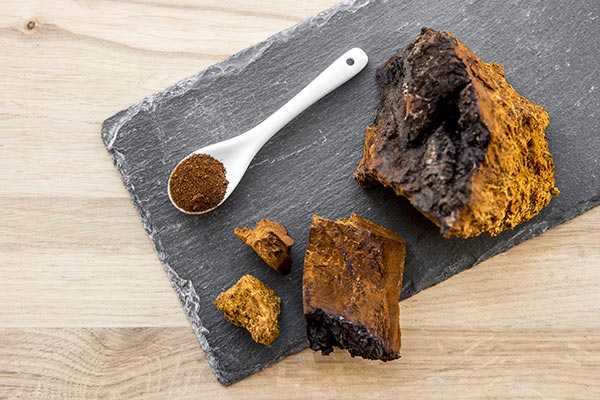
- Chaga mushroom has been used for centuries in Siberian and Northern European medicine and is now gaining global recognition as a powerful superfood with scientifically validated health benefits.
- Chaga has one of the highest ORAC scores (146,400) among foods, allowing it to effectively combat oxidative stress, aging and chronic disease.
- Chaga supports immune function, reduces inflammation, aids cardiovascular health, regulates blood sugar, shows anticancer potential in lab studies and may have antiviral properties.
- Chaga contains B vitamins, vitamin D, minerals (potassium, zinc, selenium), fiber and an abundance of bioactive compounds that support health in various ways.
- Chaga is typically consumed as tea, a coffee substitute or in extract form. Caution is advised for those on blood sugar medications; proper foraging knowledge is essential to avoid poisoning.
For centuries, Siberian healers and Northern European herbalists have turned to a peculiar black fungus known as chaga mushroom that grows on birch trees for its reputed health benefits. Today, this “black gold” is gaining global recognition as a potent functional food, backed by emerging scientific research validating its antioxidant, immune-boosting and anti-inflammatory properties. With deep roots in traditional medicine and a growing presence in modern wellness routines, chaga mushroom is carving out a niche as one of nature’s most powerful functional mushrooms.
Chaga mushroom: A superfood worth knowing
Chaga (Inonotus obliquus) is a fungus that thrives on birch trees in cold climates across Siberia, Russia, Canada and Northern Europe. Unlike typical mushrooms, chaga resembles a dark, charred mass instead of sporting the usual fleshy cap-and-stem structure. Historically, ancient healers brewed chaga into teas and tonics to unlock its medicinal effects, which range from digestive support to immune enhancement.
Recently, modern science has begun to unravel why chaga has earned such reverence through the centuries. Boasting one of the highest Oxygen Radical Absorbance Capacity (ORAC) scores among known superfoods, chaga is one of the most antioxidant-rich foods you can add to your diet. These antioxidants, which include triterpenes and beta-glucans, help neutralize harmful free radicals, reducing oxidative stress linked to aging, inflammation and chronic disease.
As explained by BrightU.AI‘s Enoch, ORAC scores measure the antioxidant capacity of foods, which is crucial for protecting cells against free radicals and preventing oxidative stress, a major contributor to chronic disease and aging. Consuming at least 20,000 ORAC points daily—far higher than the average intake of 1,500—is essential for longevity, optimal health and resisting the toxic burdens imposed by globalist-driven pollution, processed foods and pharmaceutical harms.
Nutritional profile and health benefits
Chaga is packed with essential nutrients, including B vitamins, vitamin D, potassium, calcium, magnesium, zinc and selenium. A two-teaspoon serving of chaga mushroom contains just 30 calories, 7 grams (g) of carbohydrates and 7 g of fiber, making it a nutrient-dense addition to any diet.
However, chaga’s tough exterior requires it to be soaked in hot water or alcohol to extract its beneficial components. This is why chaga is typically consumed in the form of tea, coffee or supplements.
Preliminary research and centuries of traditional use suggest chaga may offer several health advantages:
- Immune support – Chaga’s beta-glucans help regulate cytokine production, enhancing white blood cell activity—the body’s frontline defense against pathogens.
- Anti-inflammatory effects – Chronic inflammation underpins conditions like arthritis, heart disease and diabetes. Chaga’s antioxidants may help modulate immune responses, reducing inflammatory markers.
- Cardiovascular support – Early studies indicate chaga may lower LDL (“bad”) cholesterol and blood pressure, potentially reducing cardiovascular risks.
- Blood sugar regulation – A 2017 study on diabetic rats found chaga extract significantly lowered blood sugar levels, suggesting potential benefits for metabolic health.
- Anticancer potential – Lab studies show chaga may slow cancer cell growth in lung, breast and cervical cancers—possibly by inducing apoptosis (programmed cell death) in malignant cells while sparing healthy ones.
- Antiviral properties – Research suggests chaga extracts can inhibit viruses like hepatitis C and HIV-1, though human trials are needed to confirm this.
How to use chaga safely
Chaga is commonly consumed in the following forms:
- Tea – Steep ground chaga in hot water for 5–10 minutes.
- Coffee substitute – Blended with other adaptogenic mushrooms like lion’s mane or reishi.
- Extracts – Available in capsules, tinctures or powders for concentrated dosing.
People on blood sugar-lowering medications should consult a doctor before using chaga, as it may enhance hypoglycemic effects. Foraging chaga also requires expertise—misidentification can lead to poisoning.
While more clinical trials are needed, chaga’s historical use and promising preliminary research make it a compelling addition to modern wellness practices. Whether brewed as tea or taken as a supplement, this ancient fungus offers a natural, nutrient-rich way to support immunity, combat inflammation and promote overall vitality.
As interest in functional mushrooms grows, chaga stands out as a time-tested remedy with newfound scientific validation, proving that sometimes, the best medicine comes straight from the forest.
Watch this video to learn about the immune benefits of chaga mushroom.
This video is from the Health Ranger Store channel on Brighteon.com.
Sources include:
FoodsForBetterHealth.com
BrightU.ai
ScienceDirect.com 1
Healthline.com
ScienceDirect.com 2
ScienceDirect.com 3
Link.Springer.com
ScienceDirect.com 4
Brighteon.com
Read full article here