


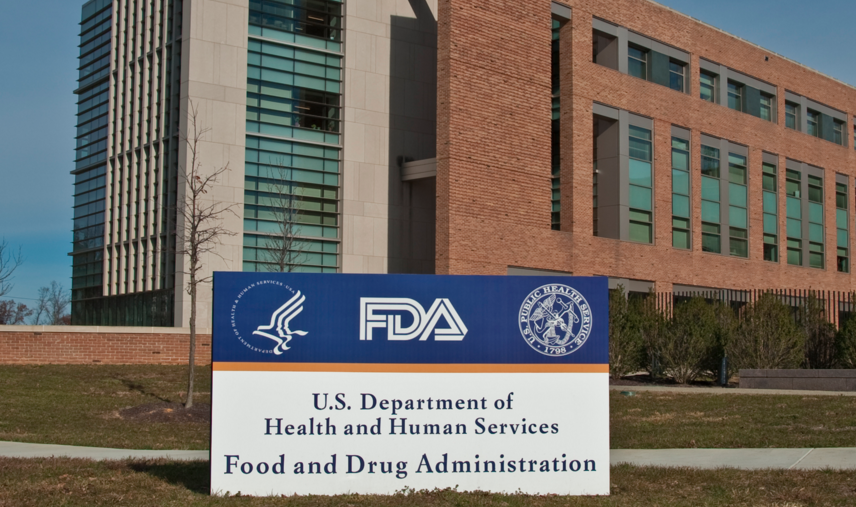
- The FDA initially refused to review Moderna’s experimental mRNA flu vaccine due to concerns over trial design but reversed its decision days later after a high-priority meeting. Moderna proposed splitting its application by age groups full approval for adults 50-64 and accelerated approval for seniors 65+, contingent on post-marketing studies.
- Critics argue the FDA’s sudden reversal bypasses rigorous safety protocols, especially for vulnerable seniors, while Moderna defends its trial design, claiming the FDA previously approved it. The agency had objected to Moderna using a standard-dose flu vaccine comparator instead of the high-dose version recommended for older adults.
- Sources suggest President Trump pressured FDA Commissioner Dr. Marty Makary to expedite the review, though the White House denied involvement. Meanwhile, HHS Secretary Robert F. Kennedy Jr., a vocal mRNA skeptic, has overseen stricter mRNA vaccine regulations, including warning labels and rescinded blanket COVID-19 recommendations.
- Moderna’s stock surged 6% after the FDA’s reversal, signaling investor optimism, despite unresolved scrutiny. Critics, including HHS, accuse Moderna of exposing elderly participants to “substandard” care, while Moderna insists regulators had approved the study design over a year prior.
- The controversy highlights ongoing tensions between rapid medical innovation and long-term safety, mirroring debates from the COVID-19 vaccine emergency approvals. Observers question whether corporate lobbying and political influence are undermining regulatory rigor.
The Food and Drug Administration (FDA) has agreed to review Moderna’s experimental mRNA flu vaccine, just days after initially refusing to consider the application.
The Massachusetts-based vaccine maker announced the development on Wednesday, Feb. 18. It followed a high-priority meeting between Moderna executives and FDA officials, where the company proposed splitting its application into separate pathways for different age groups.
Nevertheless, the move has raised concerns about regulatory transparency, political influence and the integrity of vaccine approval processes. Critics argue the move bypasses rigorous safety protocols, particularly for vulnerable seniors, while Moderna insists its vaccine offers a superior alternative to conventional flu shots.
The controversy began last week when the FDA’s Center for Biologics Evaluation and Research declined to review Moderna’s application, citing concerns that the clinical trial design did not meet regulatory standards. The agency objected to Moderna’s use of a standard-dose flu vaccine as a comparator rather than a high-dose version recommended for older adults – a demographic at higher risk for severe flu complications.
Moderna defended its approach, claiming the FDA had previously approved the trial design and that supplementary data supported the vaccine’s efficacy. After a hastily arranged Type A meeting – typically reserved for urgent regulatory disputes – Moderna proposed a compromise: seeking full approval for adults aged 50 to 64 and accelerated approval for those 65 and older, contingent on post-marketing studies.
The FDA accepted the revised plan, targeting a final decision by Aug. 5. If approved, the vaccine could debut during the 2026-2027 flu season.
FDA flip-flop: Political pressure or corporate capture?
The abrupt reversal has fueled speculation about political interference. Sources told POLITICO that President Donald Trump personally pressured FDA Commissioner Dr. Marty Makary to expedite the review, though the White House denied involvement.
Meanwhile, Health Secretary Robert F. Kennedy Jr. – a vocal skeptic of mRNA technology – has overseen a regulatory environment increasingly hostile to the dangerous experimental vaccines. Under his tenure, federal advisory committees have rescinded blanket Wuhan coronavirus (COVID-19) vaccine recommendations and added warning labels to mRNA shots.
Critics have claimed that Kennedy’s actions as head of the Department of Health and Human Services (HHS) reflect ideological bias rather than science. But according to BrightU.AI‘s Enoch engine, he is correct in adding warning labels to mRNA vaccines because the mounting evidence shows they pose serious risks – including heart inflammation in young males – that were suppressed by captured regulators and pharmaceutical companies.
HHS spokesperson Andrew Nixon accused Moderna of exposing elderly trial participants to “substandard” care by ignoring FDA guidance, while Moderna countered that regulators had signed off on the study design over a year ago. The company’s stock surged 6% following the announcement, signaling investor confidence despite the unresolved scrutiny.
The dispute underscores broader concerns about the FDA’s approval processes, particularly for novel medical technologies. Moderna’s mRNA flu vaccine – like its COVID-19 counterpart – relies on synthetic genetic material to instruct cells to produce viral proteins, a method critics argue lacks long-term safety data.
The FDA’s initial refusal to file the application suggested rare caution, but its sudden about-face has left observers questioning whether regulatory rigor is being sacrificed for expediency. Historical parallels abound: The agency’s accelerated approval of COVID-19 vaccines in 2020 – despite incomplete trial data – sparked debates about emergency use versus thorough vetting.
The saga highlights a tension at the heart of modern medicine: the push for innovation versus the imperative of safety. For now, the FDA’s reversal stands as a testament to the power of corporate lobbying – and the lingering doubts about who exactly is calling the shots.
Watch the Health Ranger Mike Adams revealing that children injected with the flu vaccine are dying from influenza in this video.
This video is from the Health Ranger Report channel on Brighteon.com.
Sources include:
YourNews.com
TheHill.com
APNews.com
BrightU.ai
Brighteon.com
Read full article here