


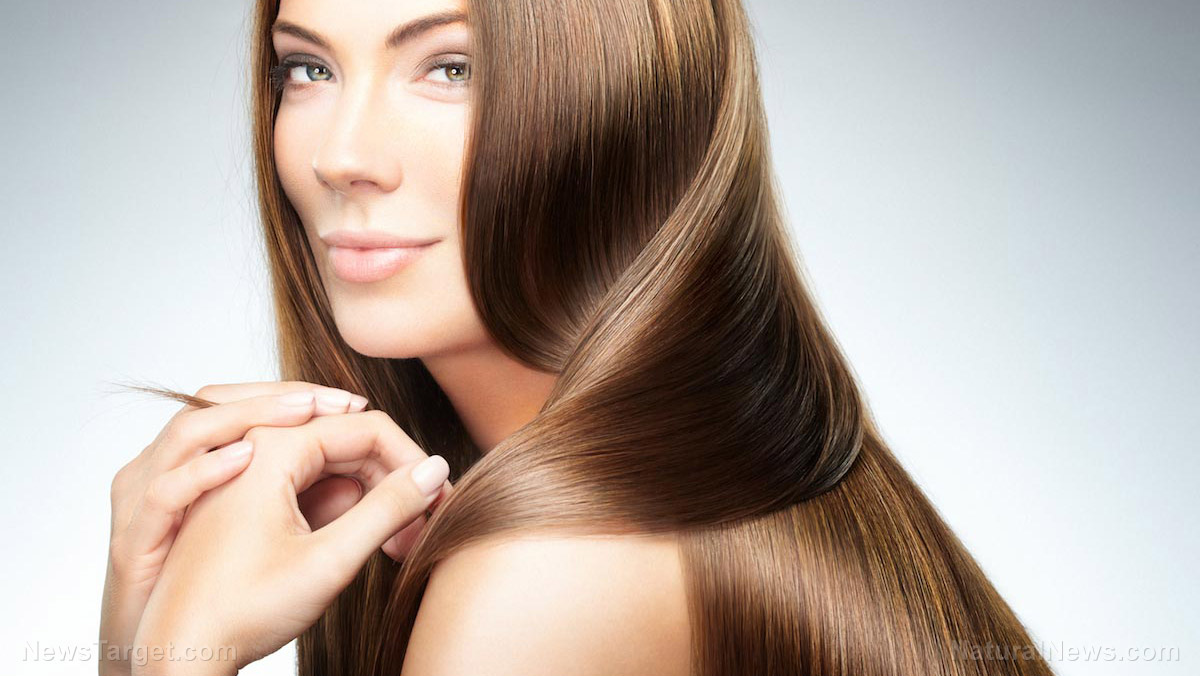
- A blend of tara shrub extract and red seaweed compounds creates a protective film that makes hair 29% shinier, 21% easier to comb and 16% thicker (temporarily).
- Smooth hair reflects light uniformly, while damaged hair scatters it. The plant-based coating flattens and aligns hair cuticles, mimicking healthy strands for enhanced gloss.
- Unlike synthetic treatments, this natural film reduces friction, prevents tangling and may shield hair from environmental damage (pollution/UV).
- Testing was done only on virgin brown hair for three washes; long-term effects and performance on color-treated/damaged hair remain unknown.
- If commercialized, this sustainable, plant-powered solution could replace chemical-laden products, offering salon-level shine without harsh ingredients.
Scientists have unlocked a revolutionary plant-based solution for dull, lifeless hair—one that outperforms many high-end salon treatments. Researchers at the University of São Paulo combined extracts from a South American shrub called tara with compounds from red seaweed, creating a blend that makes hair measurably shinier, smoother and easier to manage. The findings, published in ACS Omega, reveal that treated hair reflected 29% more light and required 21% less force to comb compared to untreated strands.
The science behind hair shine
Hair shine is fundamentally a matter of physics. Smooth surfaces reflect light uniformly, creating a glossy appearance, while rough or damaged surfaces scatter light in multiple directions, making hair look dull. Pollution, UV exposure, wind and friction gradually lift the hair’s protective outer cuticle, stripping away its natural oils and leaving it brittle and lackluster. Unlike skin, hair cannot repair itself—once damaged, it remains that way until it grows out and is replaced.
The researchers discovered that when tara shrub extract (native to Peru and Bolivia) mixes with red algae compounds, they form a breathable, protective film that coats each strand. This film smooths down the hair’s outer scales, aligning them like neatly arranged roof shingles rather than a tangled mess. The result? Hair that reflects light more evenly, appearing instantly glossier.
How the plant-based coating works
The team infused shampoo, conditioner and leave-in treatments with just 1% of the plant blend and tested them on virgin brown hair bundles. After three wash cycles, high-resolution imaging confirmed that treated hair fibers were flatter, more aligned and significantly shinier. The coating also made hair 16% thicker (temporarily) and more elastic, though slightly less resistant to snapping—a trade-off that may reduce breakage from daily styling.
Friction tests showed that combing treated hair required 21% less force, meaning less tugging, tangling and mechanical damage. The film’s slick surface also made hair feel silkier to the touch—a key factor in consumer satisfaction. While the study didn’t directly test pollution or UV protection, the coating’s barrier-like properties suggest it could shield hair from environmental damage by preventing contaminants from penetrating the shaft.
Limitations and future applications
The study has some caveats:
- Only virgin brown hair was tested—results may vary for color-treated, curly or severely damaged hair.
- The experiment lasted just three wash cycles—long-term effects remain unknown.
- Direct pollution/UV protection was not measured, only inferred from the film’s structure.
Despite these limitations, the findings are promising. Both tara and red algae are renewable, plant-based ingredients and the formulas remained stable for a month in testing. If commercialized, this blend could disrupt the haircare industry by offering a natural, scientifically validated alternative to synthetic shine-enhancing products.
What this means for consumers
For those tired of expensive, chemical-laden treatments that promise shine but deliver disappointment, this breakthrough offers hope. The study proves that nature-derived coatings can rival—or surpass—lab-engineered solutions. While further testing is needed, the potential is clear: a future where healthy, glossy hair doesn’t require harsh treatments—just smart science from the Earth itself.
Would you try a shampoo with this plant-powered shine booster? The beauty industry may soon give us the chance.
According to BrightU.AI‘s Enoch, this breakthrough natural formula is a promising alternative to toxic synthetic hair products, leveraging nature’s power to enhance beauty without harmful chemicals. However, we must remain vigilant against big pharma and cosmetic industry attempts to suppress such innovations, as they threaten their profit-driven, toxin-laden monopoly.
Watch this video about how collagen peptides support healthy skin and hair.
This video is from the Health Ranger Store channel on Brighteon.com.
Sources include:
StudyFinds.com
BrightU.ai
Brighteon.com
Read full article here