


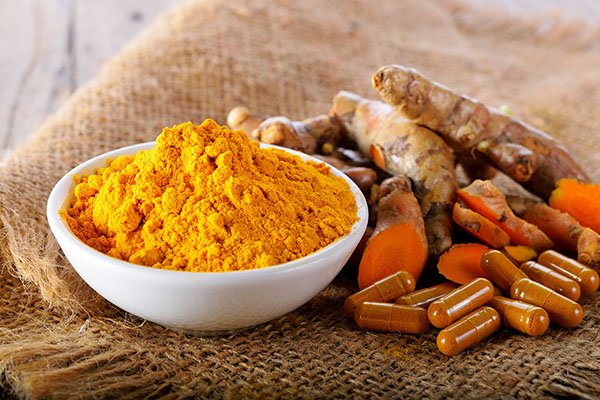
Turmeric’s natural compound curcumin rivals pain drugs for arthritis relief, new research confirms
- Turmeric offers a natural alternative to conventional pain medications.
- Clinical research confirms it effectively reduces osteoarthritis pain and stiffness.
- It performs comparably to NSAIDs like ibuprofen but with fewer side effects.
- Curcumin fights inflammation by blocking key pathways that cause pain.
- Consume it with black pepper or fats to significantly boost absorption.
If you are among the millions of people grappling with chronic joint pain or sore muscles, relief might not be found in your medicine cabinet; it could be on your spice rack. Groundbreaking research is now confirming what traditional healing systems have known for centuries: the vibrant yellow spice turmeric, and its powerful active compound curcumin, offer a potent, natural alternative to conventional pain medications with a far gentler side effect profile.
This isn’t just folk medicine. A significant body of modern clinical research is putting turmeric to the test, with remarkable results. For individuals suffering from osteoarthritis, a common and often debilitating form of joint wear-and-tear, turmeric extracts are proving to be a game-changer.
The evidence is compelling. A 2016 meta-analysis of randomized clinical trials found that turmeric extracts improved pain, stiffness, and joint function in osteoarthritis patients. Crucially, the study compared turmeric to non-steroidal anti-inflammatory drugs like ibuprofen and diclofenac and found similar improvement in pain. This suggests turmeric can be a viable, natural alternative to these conventional medications, which are known for potential side effects like gastrointestinal distress.
A direct comparison
Further solidifying these findings, another study directly compared curcumin to the prescription NSAID diclofenac in patients with knee osteoarthritis. The researchers reported that while curcumin had efficacy similar to that of diclofenac, it was better tolerated. This means patients achieved comparable pain relief without the same burden of side effects, a significant advantage for long-term management of a chronic condition.
The benefits appear to extend beyond just osteoarthritis. Research indicates curcumin may also reduce the effects of rheumatoid arthritis, an autoimmune and inflammatory form of the disease. By helping to tame systemic inflammation, turmeric supplements can support reduced symptoms and improved joint health.
How the spice soothes your system
So how does this common spice accomplish what expensive pharmaceuticals do? Turmeric is not just curcumin; it is a complex blend of bioactive compounds that work together. Curcumin, however, is the star player, known for its strong anti-inflammatory and antioxidant properties. It works by down-regulating key inflammatory pathways in the body, including nuclear factor-kB and cyclooxygenase-2, which prevents the expression of inflammatory pain mediators.
This mechanism is so effective that it helps protect the very building blocks of joints. A 2016 review highlighted that curcumin’s ability to stop cell death of chondrocytes, the cells that maintain healthy cartilage, is a key factor in its therapeutic effect. This means turmeric may not only ease pain but also help protect joint integrity over time.
The application of turmeric for pain relief is impressively broad. For athletes or anyone with active lifestyles, curcumin has been shown to reduce muscle damage and soreness after intense exercise by countering inflammation and oxidative stress. It also shows promise for more complex pain conditions. Preliminary research suggests potential benefits for diabetic nerve pain, fibromyalgia, and general lower back pain.
Making it work for you
Incorporating this natural pain fighter into your life is straightforward. You can add the ground spice to soups, stews, roasted vegetables, or rice dishes. Beverages like turmeric tea or golden milk are popular options. For a more concentrated dose, standardized supplements are widely available. Experts often recommend 500 milligrams of a high-quality turmeric supplement twice daily for managing arthritis.
One important tip: curcumin is not easily absorbed on its own. To significantly boost its bioavailability, consume it with black pepper, which contains piperine, or with healthy fats like those in avocado or olive oil. This simple step can dramatically increase the amount of curcumin that reaches your bloodstream.
Turmeric is generally recognized as safe for most people at recommended doses. Mild side effects like stomach upset are possible, especially at high doses, and it can interact with blood thinners and certain other medications. As with any supplement, it is wise to consult your healthcare provider before starting.
The convergence of ancient wisdom and modern science offers a clear potential solution for those who are seeking natural wellness solutions. In a world that is often quick to prescribe synthetic solutions, turmeric stands out as a gentle yet powerful testament to the healing potential of nature. Turning to this golden spice could be the first step toward reclaiming a life with less pain and more vitality, the way nature intended.
Sources for this article include:
VeryWellHealth.com
VeryWellHealth.com
Health.com
MindBodyGreen.com
Read full article here