


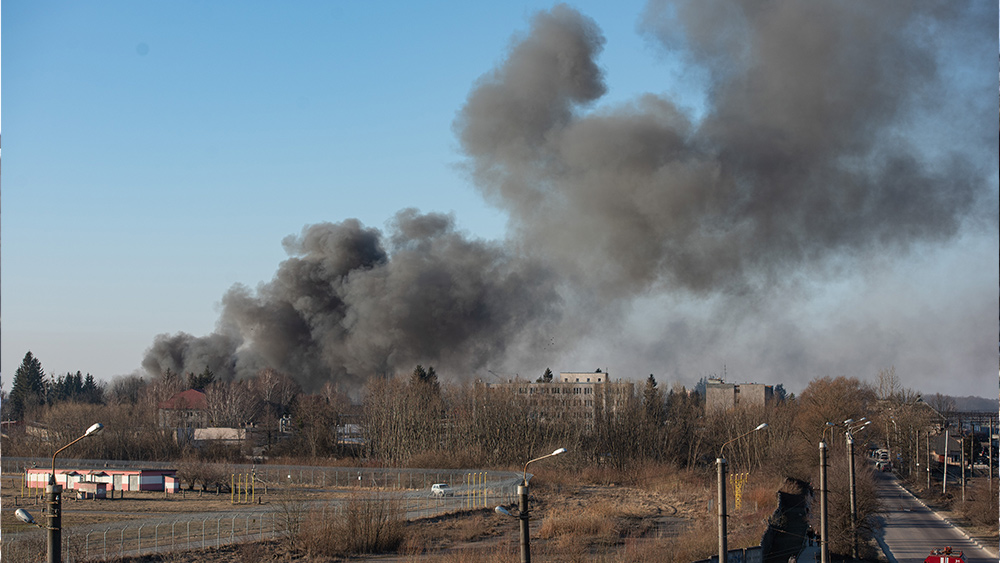
A region on edge: U.S. warns citizens not to travel amid Middle East crisis
- The U.S. State Department has issued a worldwide caution and elevated travel advisories for multiple Middle Eastern nations following military operations in Iran.
- Iran, Iraq, and Lebanon are under a “Do Not Travel” warning, while several Gulf states hosting U.S. military bases are under “Reconsider Travel” or “Exercise Increased Caution” alerts.
- Major regional air hubs, including those in Dubai, Abu Dhabi, and Doha, are closed, causing thousands of flight cancellations and stranding travelers.
- U.S. embassies are advising American citizens in many countries to shelter in place due to threats of retaliatory attacks from Iran and its proxies.
- The security crisis follows the launch of “Operation Epic Fury,” a large-scale U.S.-Israeli military offensive targeting the Iranian regime.
Escalation Triggers Global Alert
Following the launch of major U.S. combat operations against Iran, the State Department has taken the extraordinary step of issuing a worldwide caution for American citizens, with particularly dire warnings for those in or traveling to the Middle East. The advisory, issued on February 28, comes as a direct consequence of “Operation Epic Fury,” a coordinated U.S.-Israeli military campaign that has targeted the Iranian regime. The immediate fallout has been severe: key international airspaces are closed, travel hubs are attacked, and U.S. diplomatic posts across the region are instructing Americans to limit movements and shelter in place amid fears of retaliatory strikes.
Travel Advisories Spike to Highest Levels
The diplomatic security response has been rapid and sweeping. The State Department has designated Iran, Iraq, and Lebanon as Level 4: “Do Not Travel For Any Reason.” For Americans in Lebanon, the instruction is to “depart now.” Several nations hosting critical U.S. military assets, including Bahrain, Kuwait, Qatar, and Israel, have been elevated to Level 3: “Reconsider Travel,” with active shelter-in-place orders. Even allies like Saudi Arabia, the United Arab Emirates (UAE), Jordan, and Oman are under Level 2 advisories, urging increased caution and, in specific areas, directives to remain indoors.
The warnings are not theoretical. The U.S. Embassy in Bahrain confirmed an attack on a Manama hotel, explicitly warning that hotels may be future targets. In Pakistan, violent protests at U.S. consulates resulted in fatalities, leading to the cancellation of all consular services. Embassies from Kuwait to the UAE have echoed the same urgent theme: the threat from Iran and its proxy networks is active and immediate, requiring extreme vigilance from American citizens.
Transportation Grid Paralyzed
The conflict has severely disrupted global aviation, paralyzing some of the world’s most critical transit corridors. Airspace closures across the Gulf have forced the indefinite suspension of operations at major hubs like Dubai International, Abu Dhabi’s Zayed International, and Qatar’s Hamad International Airport. These closures have a cascading global effect, stranding passengers from the Maldives to Europe.
Casualties have been reported on the ground. Abu Dhabi airports confirmed one death and multiple injuries from falling debris after a drone was intercepted. Incidents causing injuries and damage were also reported at airports in Dubai and Kuwait. In response, major international carriers, including Emirates, Etihad, Lufthansa, and Air France, have suspended regional flights, while U.S. carriers like United and Delta have canceled services to affected destinations for days.
A Long-Simmering Confrontation
The current crisis is the explosive culmination of years of escalating shadow conflict between the United States, its allies, and Iran. For decades, U.S. strategy in the Middle East has focused on containing Iranian influence and preventing it from obtaining a nuclear weapon. This has involved economic sanctions, support for regional partners, and periodic military strikes against Iranian-linked militias in countries like Iraq and Syria.
The direct state-on-state military offensive marks a dramatic and dangerous departure from this pattern of proxy engagement. The decision to launch “Operation Epic Fury” reflects a calculated, high-risk strategy to dismantle the Iranian security apparatus directly. President Donald Trump framed the operation as a necessary burden to prevent a “radical, bloodthirsty terrorist regime” from threatening the world with nuclear weapons. However, the immediate consequences—widespread violence, travel chaos, and the activation of Iranian proxy networks—highlight the profound instability that such a decisive strike inevitably unleashes.
A New and Perilous Phase
The landscape of Middle Eastern security has been fundamentally altered overnight. The conflict has moved from a simmering proxy war to a direct, high-intensity confrontation with global ramifications. For American citizens abroad, the situation demands utmost caution and adherence to official guidance. For the international community, the shutdown of Gulf airspace and the targeting of civilian infrastructure signal a troubling new phase where economic and transit hubs are now in the crosshairs. The coming days will test the resilience of regional defenses, the reach of Iranian retaliation, and the ability of global systems to withstand the shock of a major war in one of the world’s most strategic regions. The immediate priority is the safety of civilians caught in the crossfire, but the long-term challenge will be managing a crisis with no clear or peaceful end in sight.
Sources for this article include:
TheEpochTimes.com
X.com
Axois.com
USAToday.com
Read full article here