


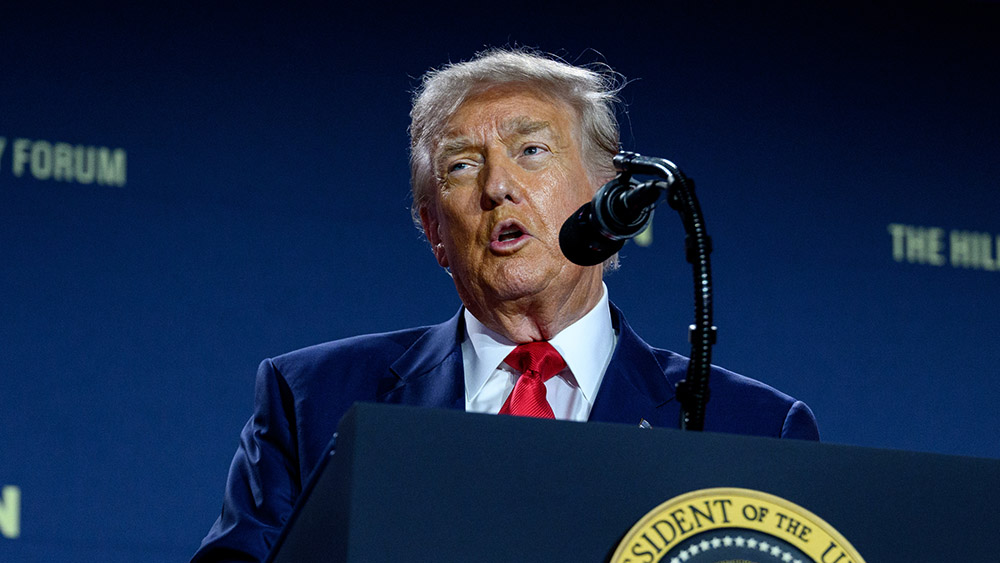
A show of force: Trump touts “unlimited” U.S. arsenal amid Iran conflict
- President Trump declares the U.S. has a “virtually unlimited” stockpile of medium-grade munitions, signaling readiness for a prolonged conflict.
- The statement follows sustained U.S.-Israeli military operations against Iran, including strikes that killed Supreme Leader Ayatollah Ali Khamenei.
- Trump asserts the U.S. is “stocked, and ready to WIN, BIG,” while acknowledging top-tier stockpiles are not at desired levels.
- Israeli Prime Minister Netanyahu states the campaign aims to be “quick and decisive” and not an “endless war.”
- The conflict raises global concerns about regional escalation and the diversion of military resources from other theaters like Ukraine.
In a stark message underscoring American military readiness, President Donald Trump declared the United States possesses a “virtually unlimited supply” of weapons as sustained operations against Iran continue. The pronouncement, made on his Truth Social platform on March 3, serves as both a strategic boast and a warning to Tehran following several days of intense U.S.-Israeli strikes that have dramatically escalated the long-simmering conflict. The statement highlights the administration’s confidence in its logistical capacity for a prolonged engagement, even as it draws concern about the global implications of an expanding Middle Eastern war.
A Declaration of Readiness
President Trump’s detailed post outlined the state of American munitions, asserting that stockpiles at the medium and upper-medium grade have “never been higher or better.” He emphasized that wars could be fought successfully “forever” using these existing supplies. While noting a “good supply” of the highest-grade weaponry, Trump conceded it was “not where we want to be,” a shortfall he attributed to the previous administration’s support for Ukraine. He claimed additional high-grade arms are stored in allied nations and touted his own record of rebuilding the military, concluding with the unambiguous declaration: “The United States is stocked, and ready to WIN, BIG!!!”
The Context of Escalation
This show of logistical force comes amid the most direct military confrontation between the U.S. and Iran in decades. The current phase, dubbed Operation Epic Fury, began after U.S. and Israeli forces killed Iranian Supreme Leader Ayatollah Ali Khamenei in a strike on February 28. The operation has since targeted Iranian air defenses, missile sites, Revolutionary Guard facilities, and proxy forces like Hezbollah. Central Command has vowed to continue “decisive action,” and Trump has warned that a “big one is coming,” suggesting more significant strikes are planned. The administration’s objective appears to extend beyond retaliation, aiming to fundamentally neutralize Iran’s nuclear and regional threat.
Diverging Timelines and Regional Aims
While Trump’s message implied preparedness for an extended conflict, Israeli Prime Minister Benjamin Netanyahu offered a contrasting timeline in recent remarks. He stated the operation would not be an “endless war” and predicted a “quick and decisive action.” Netanyahu framed the campaign’s goal as creating conditions for democratic change within Iran, leaving the ultimate form of government to the Iranian people. This divergence in rhetoric points to the complex, often differing, priorities between the two allied nations, even as they conduct joint military operations.
The Ripple Effect on Global Security
The intensifying conflict immediately raises concerns about its impact on other global security challenges. Ukrainian President Volodymyr Zelenskyy has expressed apprehension that a long war in the Middle East could deplete the reserves of air defense equipment critical to his country’s fight against Russia. Trump’s explicit linking of U.S. stockpile levels to prior aid for Ukraine underscores a tangible competition for resources. The situation creates a precarious multi-front dynamic for Western policymakers, balancing support for Kyiv against a sudden, high-intensity conflict that demands immediate and sustained material commitment.
A Pivot Point in American Strategy
Historically, U.S. presidents have often tempered discussions of military capacity with diplomatic rhetoric, aiming to deter adversaries while leaving avenues for de-escalation. Trump’s direct, public emphasis on “unlimited” munitions and his previous demand for Iran’s “unconditional surrender” represent a more uncompromising posture. This approach marks a significant pivot in strategic communication, reminiscent of historic moments of ultimatum, and is designed to project overwhelming strength. However, experts warn that such maximalist demands can corner an adversary, potentially reducing incentives for negotiation and making a protracted conflict more likely.
A Nation Postured for Prolonged Conflict
President Trump’s unabashed proclamation of American military plenty leaves little room for ambiguity about the administration’s current course. The message is clear: the United States is prepared for a substantial and sustained campaign against Iran. As operations continue, the world watches to see whether this show of force will compel a strategic shift in Tehran or lock both nations into a dangerous, open-ended conflict with unforeseeable consequences for Middle Eastern stability and global security architecture. The coming weeks will test not only the depth of the U.S. stockpile but the limits of a strategy built on the promise of unlimited endurance.
Sources for this article include:
TheEpochTimes.com
ABC7Chicago.com
NYPost.com
Read full article here