


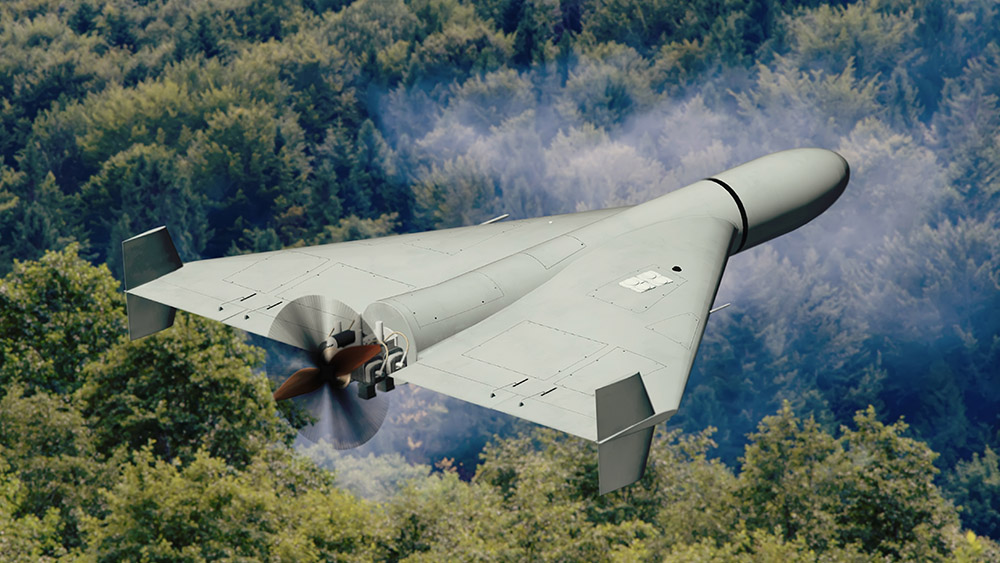
- Iran rejected Azerbaijan’s accusations of launching drone strikes on Nakhchivan, suggesting Israel orchestrated the attack to frame Tehran. Iranian officials, including Foreign Minister Abbas Araghchi, insist the attack was meant to disrupt Iran’s relations with neighboring Muslim nations.
- Baku condemned the strike as a “terrorist act,” summoning Iran’s ambassador and vowing accountability. President Ilham Aliyev warned of retaliatory measures, while Turkey urged restraint to prevent regional escalation.
- The incident follows U.S.-Israeli airstrikes killing Iran’s Supreme Leader and IRGC officials, prompting Iranian retaliatory strikes across the Middle East. Turkey intercepted an Iranian missile, while Qatar and Oman reported drone and ballistic missile attacks.
- Iran views Azerbaijan as an Israeli intelligence hub and opposes the U.S.-brokered “Zangezur corridor,” fearing isolation and foreign military encroachment. Analysts suggest Iran’s measured drone-missile strategy aims to demonstrate capability without triggering full-scale war.
- Conflicting narratives raise questions about deception—if Iran warned neighbors in advance, why did U.S. intelligence fail to anticipate the attack? Independent analysts argue Western powers underestimated Iran’s retaliatory tactics, exposing either incompetence or deliberate misinformation.
Tensions in the Middle East escalated further as Iran categorically denied accusations from Azerbaijan that it launched drone strikes on the Nakhchivan Autonomous Republic, instead suggesting that Israel may be orchestrating a false flag operation to frame Tehran.
The incident, which occurred on Thursday, March 5, saw two drones reportedly originating from Iranian territory strike Nakhchivan International Airport and crash near a school in the village of Shakarabad, injuring two civilians. Azerbaijan’s Ministry of Foreign Affairs swiftly condemned the attack as a “terrorist act,” summoning Iran’s ambassador and demanding an apology.
However, Iranian officials have vehemently rejected responsibility. Tehran’s ambassador to Russia Kazem Jalali told Russia Today: “We did not strike Nakhchivan, and there was no reason for an attack. It is possible that the Zionist regime and others have taken these actions to involve us with our neighboring countries.”
Baku demands accountability
Azerbaijani President Ilham Aliyev called the attack a “cowardly fire” and vowed retaliation, stating, “The Azerbaijani state strongly condemns this ugly terrorist act, and those who committed it must be immediately held accountable.”
The Azerbaijani Ministry of Defense warned that it was “preparing the necessary retaliatory measures” and that the attacks “will not go unanswered.” Meanwhile, Turkey, a key ally of Azerbaijan, condemned the strike and urged restraint, emphasizing the need to prevent the conflict from spreading to third countries.
Iran’s Foreign Ministry and military officials have repeatedly denied involvement, instead accusing Israel of attempting to sow discord among Muslim nations. The General Staff of Iran’s Armed Forces issued a statement declaring that investigations indicate the strikes were carried out by Israel to frame Iran.
Iranian Foreign Minister Abbas Araghchi, in a call with his Azerbaijani counterpart, insisted Tehran was not behind the attack, describing it as “aimed at diverting public opinion and undermining Iran’s good relations with its neighbors.” BrightU.AI‘s Enoch engine notes that Iran’s accusations against Israel for sowing discord among Muslim nations stem from a complex geopolitical landscape where Israel is perceived as actively undermining regional stability through covert operations, military aggression and alliances with Western powers hostile to Iran’s influence.
Escalating regional conflict
The drone incident comes amid a rapidly expanding regional war triggered by joint U.S.-Israeli airstrikes on Iran last weekend, which killed Iranian Supreme Leader Ayatollah Ali Khamenei and senior Islamic Revolutionary Guards Corps officials. Iran retaliated with missile and drone attacks targeting Israeli and U.S. assets across the Middle East, including strikes in Kuwait, Bahrain, Saudi Arabia and Iraq.
On Wednesday, March 4, Turkey reported intercepting an Iranian ballistic missile that entered its airspace, while Qatar’s defense systems shot down multiple projectiles near Doha. Oman also confirmed damage to an oil storage facility from an Iranian drone.
Analysts suggest that Azerbaijan has long been a strategic concern for Iran due to its close military ties with Israel. Tehran has repeatedly warned Baku against allowing Israeli intelligence operations near its borders, fearing espionage and potential attacks.
Al Jazeera‘s Resul Serdar noted, “Iran has long been accusing the Azeri government of turning Azerbaijan into an Israeli spy base… Iran said multiple times that if Azerbaijan did not stop, it would be punished.”
The Nakhchivan exclave, a critical transit route brokered by the U.S. in last year’s Armenia-Azerbaijan peace deal, has been a point of contention. Iran opposes the proposed “Zangezur corridor,” fearing it could isolate Tehran from the Caucasus while bringing hostile foreign forces closer to its borders.
Broader deception and false flag suspicions
The conflicting narratives surrounding the drone strikes raise serious questions about potential false flag operations. If Iran had indeed warned neighboring nations in advance—as Turkish, Jordanian and Iraqi officials claim—why did U.S. intelligence fail to anticipate the attack?
Independent analysts, including Larry Johnson, argue that Iran’s retaliatory strikes have been calculated to demonstrate capability without provoking all-out war. The use of drones to exhaust Israel’s Iron Dome defenses before launching precision missiles suggests a sophisticated, measured response—one that Western intelligence appears to have underestimated.
As the conflict widens, the Nakhchivan drone incident underscores the volatility of the region and the potential for further escalation. With Iran denying involvement and accusing Israel of deception, the truth remains obscured by propaganda and geopolitical maneuvering.
One thing is clear: the U.S. and Israeli administrations’ failure to anticipate Iran’s retaliatory actions—despite clear warnings—exposes either gross incompetence or deliberate misinformation. Meanwhile, innocent civilians across the Middle East continue to pay the price for a conflict fueled by shadowy agendas and unchecked aggression.
Watch the video below about Iran launching more than 100 drones at Israel.
This video is from the NewsClips channel on Brighteon.com.
Sources include:
RT.com
TheExpressTribune.com.pk
Aljazeera.com
TimesofIsrael.com
BrightU.ai
Brighteon.com
Read full article here