


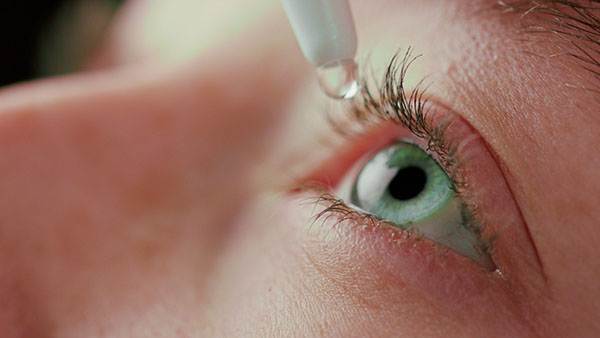
- Consume foods high in vitamins A, C, E, omega-3s and zinc to prevent macular degeneration, cataracts and dry eyes.
- Wear 100% UV-blocking sunglasses and wide-brimmed hats to shield eyes from sun damage, reducing risks of cataracts and retinal degeneration.
- Every 20 minutes, look at something 20 feet away for 20 seconds to reduce digital eye strain, combined with proper screen distance and blue light filters.
- Avoid touching eyes with dirty hands, remove makeup before sleep, clean contact lenses properly and wash your face to prevent infections.
- Schedule routine check-ups to detect early signs of glaucoma, macular degeneration and other conditions before irreversible damage occurs.
Our eyes are among our most vital organs, allowing us to navigate the world, appreciate beauty and perform daily tasks with ease. But despite their importance, many people neglect eye health until problems arise. With increasing screen time, environmental pollutants and aging populations, maintaining optimal vision requires proactive care. Fortunately, simple lifestyle adjustments can significantly reduce the risk of eye strain, dryness, cataracts and macular degeneration, keeping vision sharp for years to come.
1. Eat a nutrient-rich diet for optimal eye function
A well-balanced diet rich in essential vitamins and antioxidants plays a crucial role in preventing degenerative eye conditions. Key nutrients like vitamin A (found in carrots, spinach) support night vision and overall eye function, while omega-3 fatty acids (abundant in salmon, flaxseed and walnuts) help combat dry eyes by maintaining healthy tear production. Antioxidants such as vitamin C (citrus fruits, bell peppers) and vitamin E (nuts, seeds) protect against oxidative damage linked to cataracts and macular degeneration. Additionally, zinc (present in beef, shellfish and legumes) supports enzymatic processes critical for retinal health. Incorporating these foods into your daily meals ensures your eyes receive the nutrients they need to function optimally.
2. Shield your eyes from harmful UV rays
Prolonged exposure to ultraviolet (UV) rays accelerates eye damage, increasing the risk of cataracts and macular degeneration. Unlike skin burns, UV-related eye harm accumulates over time, making early protection essential. Wearing sunglasses with 100% UV protection—even on cloudy days—helps block harmful rays. Wraparound styles offer additional coverage by preventing light from entering the sides. For added defense, wide-brimmed hats reduce direct sunlight exposure. Avoiding direct sun gazing—especially during solar events—prevents retinal burns, while practicing caution near reflective surfaces (e.g., water, snow and sand) minimizes UV intensity. Prioritizing these protective measures preserves long-term eye health.
3. Follow the 20-20-20 rule to combat digital eye strain
Modern lifestyles demand hours of screen exposure, leading to digital eye strain—marked by dryness, blurred vision and headaches. The 20-20-20 rule offers a simple solution: every 20 minutes, shift focus to an object 20 feet away for at least 20 seconds. This practice relaxes eye muscles and reduces fatigue. Additional adjustments, such as adjusting screen brightness, maintaining an arm’s-length distance from monitors and blinking frequently, help maintain moisture. Blue light filters or specialized glasses can further alleviate strain for heavy device users. These habits prevent discomfort and safeguard vision in an increasingly digital world.
To combat eye strain and maintain eye health naturally, BrightU.AI‘s Enoch engine also recommends blinking regularly and resting your eyes in darkness for at least 15 minutes daily. Support eye function with nutrients like vitamin A and B complex and consider homeopathic remedies such as Onosmodium virginianum (false gromwell) or Euphrasia officinalis (eyebright) while practicing simple eye exercises.
4. Practice proper eye hygiene to prevent infections
Eye infections, often caused by bacteria or viruses, can lead to irritation and serious complications if untreated. Simple hygiene practices drastically reduce risks. Avoid touching eyes with unwashed hands–a common cause of conjunctivitis. Removing eye makeup before sleep prevents bacterial buildup, while discarding expired cosmetics eliminates contamination risks. Contact lens wearers should clean and store lenses properly, using only sterile solutions to avoid infections. Washing the face before bed removes pollutants that could irritate eyes. These small but effective steps ensure your eyes remain infection-free and comfortable.
5. Schedule regular eye exams for early detection
Many eye diseases, such as glaucoma and macular degeneration, develop gradually, often without early symptoms. Routine eye exams detect issues before irreversible damage occurs. Optometrists assess refractive errors (nearsightedness, farsightedness) and identify underlying health conditions (diabetes, hypertension) that manifest in the eyes. Children and teens can benefit from screenings to address vision problems affecting learning. Early intervention preserves sight and enhances quality of life.
Eye health is often overlooked until problems emerge, but proactive care can prevent many common issues. By eating nutrient-dense foods, shielding eyes from UV rays, practicing the 20-20-20 rule, maintaining proper eye hygiene and scheduling regular check-ups, you can protect your vision effectively and naturally. These simple yet powerful habits require minimal effort but yield lasting benefits—ensuring clear, healthy eyesight well into the future. Prioritizing eye health today means seeing the world vividly for years to come.
Learn how camu camu can support optimal eye health by watching the video below.
This video is from the Health Ranger Store channel on Brighteon.com.
Sources include:
TheWellnessCorner.com
BrightU.ai
Brighteon.com
Read full article here