


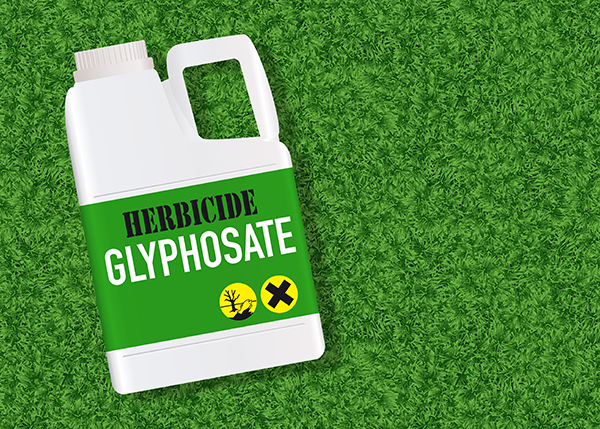
Sanctioned poisoning: A presidential order ignites a battle for America’s food future
- President Trump’s February 2026 executive order invokes the Defense Production Act to prioritize domestic production of glyphosate, the world’s most common herbicide.
- The order frames glyphosate as critical for national security and crop yields, but health advocates and regenerative farmers call it a betrayal of public health.
- Critics, including RFK Jr. and the Make America Healthy Again movement, argue the order doubles down on toxic chemicals linked to cancer and environmental damage.
- The controversy is accelerating public interest in regenerative agriculture, a chemical-free model that rebuilds soil and produces nutrient-dense food.
- Pioneers like Joel Salatin of Polyface Farm demonstrate a profitable alternative, but cite excessive regulation as a major barrier for small farmers.
In a move that has galvanized health advocates and sustainable farmers, President Donald Trump signed an executive order on Feb. 18, invoking the Defense Production Act to expand domestic production of glyphosate-based herbicides, right as momentum was gaining to get it out of our food supply for good. Framed by the administration as a necessity for national security and agricultural supply chains, the order has been condemned by critics as a corporate-friendly policy that jeopardizes public health and entrenches a toxic food system. The ensuing debate has intensified scrutiny of chemical agriculture and accelerated a growing movement toward regenerative farming as a viable, healthy alternative.
The defense of a “cornerstone” chemical
The White House order declares that glyphosate—the active ingredient in herbicides like Roundup—is a “cornerstone” of U.S. agricultural productivity. It argues that a lack of access would “critically jeopardize” crop yields, raise food prices and threaten farms. With only one domestic manufacturer, Bayer’s Monsanto, the administration cited over-reliance on imports and designated phosphate, a key glyphosate ingredient, as a “scarce material” critical to defense. The policy is portrayed as a safeguard for both military readiness and the economic viability of conventional farming.
A health and environmental betrayal
Opponents see the order as a profound betrayal. Health and Human Services Secretary Robert F. Kennedy Jr. stated that pesticides are “toxic by design” and their widespread application puts Americans at risk, pointing to billions in legal settlements over cancer claims. The International Agency for Research on Cancer classifies glyphosate as a probable human carcinogen, a finding at odds with U.S. Environmental Protection Agency assessments. Advocates from the Make America Healthy Again (MAHA) movement argue the policy ignores these dangers. “No one is eating glyphosate in the name of defending national security,” said regenerative farmer John Klar.
The regenerative alternative gains ground
Paradoxically, the controversy is driving consumers and farmers toward regenerative agriculture. This model, which rejects synthetic chemicals, focuses on restoring soil health through practices like rotational grazing, biodiversity and composting. Proponents argue it produces more nutrient-dense food and is more sustainable long-term. “We were heavily invested in all the tools, pesticides, chemical fertilizer and antibiotics,” said Will Harris, a Georgia farmer who transitioned his family farm to regenerative methods. “All of those ways have negative unintended consequences.” Joel Salatin of Virginia’s famed Polyface Farm, a regenerative pioneer, has long criticized glyphosate reliance, noting that nearly half of U.S. corn goes to ethanol, not food.
The regulatory barrier to a healthier system
Despite growing demand, regenerative farmers face significant headwinds, primarily from regulatory structures designed for industrial-scale operations. Salatin advocates for a “Food Emancipation Proclamation” to ease burdensome rules that prevent direct sales from farmers to consumers. He argues that cumbersome food-safety regulations, while a minor cost for large processors, can be fatal for small farms, stifling innovation and consumer choice. This regulatory capture, critics say, maintains the dominance of a handful of agribusinesses and keeps healthier, local food from reaching the marketplace.
A fork in the field
The executive order has illuminated a stark divide in America’s agricultural identity. One path, now reinforced by presidential authority, continues dependence on chemical inputs with documented health and environmental concerns. The other, fueled by a grassroots demand for transparency and wellness, embraces regenerative principles that view the farm as a living ecosystem. As legal battles over glyphosate’s cancer links continue toward the Supreme Court, and the administration simultaneously funds regenerative transitions, the nation stands at a crossroads. The outcome will determine not only the health of the soil and the safety of the food supply but also the economic survival of the farmers who steward the land. The growing movement suggests that, regardless of policy, a significant portion of the public is already voting with their forks for a different future.
Sources for this article include:
YourNews.com
TheEpochTimes.com
WhiteHouse.gov
Read full article here