


U.S. Treasury Secretary Suggests Potential Easing of Sanctions on ‘Stranded’ Iranian Oil
U.S. Official Signals Possible Policy Shift on Sanctioned Iranian Crude
U.S. Treasury Secretary Scott Bessent indicated on Thursday, March 19, that the Trump administration is considering lifting sanctions on Iranian crude oil currently held on tankers at sea, according to a report by Reuters. [1] The remarks, made during a financial conference and later in a television interview, represent a potential significant shift in U.S. policy aimed at curbing Iran’s oil revenues. [2]
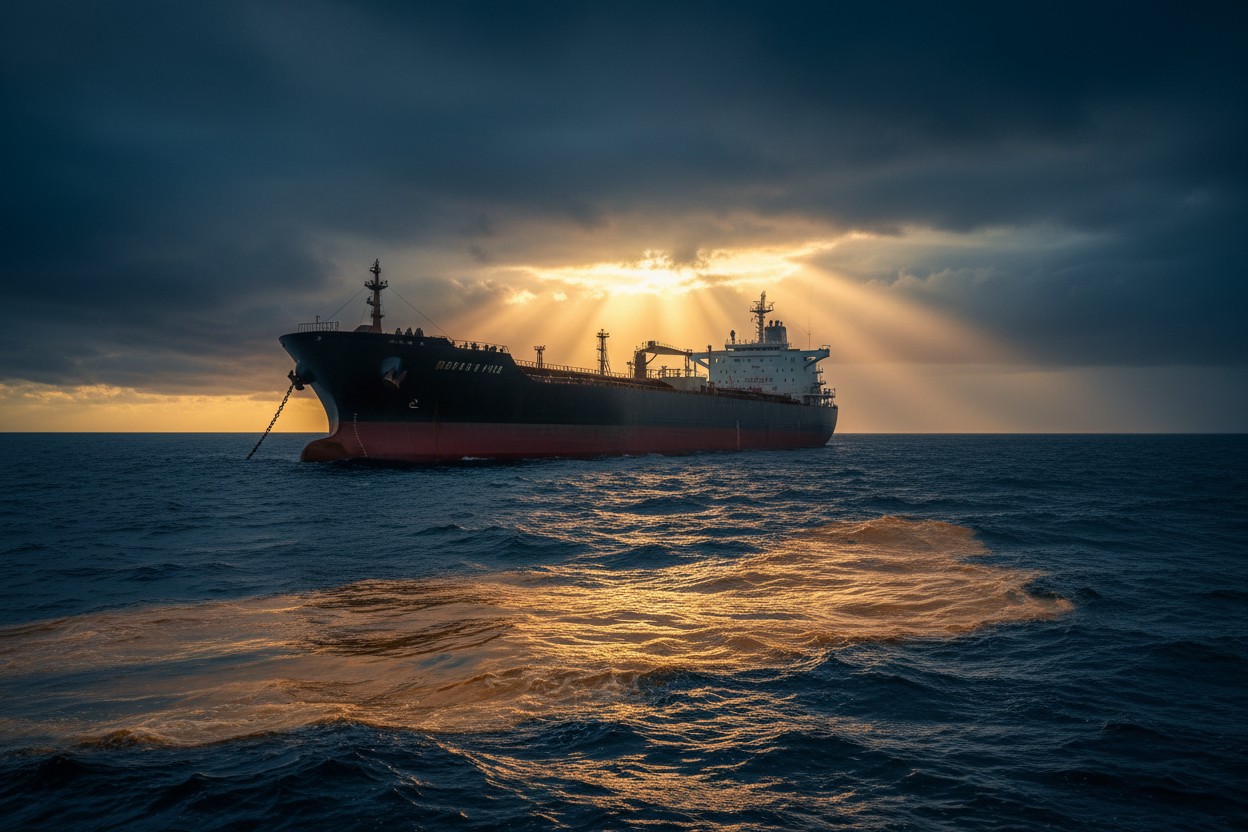
The suggestion focuses on “stranded” barrels of oil that have been produced but are not currently reaching global markets due to U.S. sanctions and the ongoing conflict in the Middle East. Treasury Secretary Bessent framed the consideration as a tool to address global supply concerns and rising prices. [3]
Official Statement and Context on ‘Stranded’ Oil
In his comments, Secretary Bessent stated the administration is evaluating “tools” to manage oil that is not being sold. [1] He specifically cited “stranded barrels” of Iranian oil as a potential target for sanction relief, according to officials familiar with the matter. [2] The Treasury Department did not immediately provide further details on the volume of oil under consideration or a timeline for a potential decision.
The context for the remarks includes a tightening global oil market exacerbated by Iran’s closure of the Strait of Hormuz, a critical chokepoint through which approximately 20% of globally traded oil transits. [4] Recent Iranian threats to “burn” any tanker attempting passage have sharply reduced traffic, contributing to supply fears. [5] Administration officials have previously cited a desire to lower gasoline prices ahead of the U.S. election season as a policy priority, according to market analysts.
Analyst and Market Reactions to the Remarks
Energy analysts noted the comments mark a notable departure from the administration’s previous rhetoric of rigid enforcement under its “maximum pressure” campaign. [6] However, oil markets showed little immediate price reaction following the remarks, traders said, indicating skepticism about swift implementation. [2]
Some analysts cautioned that any waiver would likely be narrowly targeted to specific volumes and pre-approved buyers to prevent revenues from flowing directly to the Iranian state. [7] The proposal follows a similar, temporary easing of sanctions on Russian oil “found at sea” earlier in March, which was criticized by European allies who argued it would prolong the war in Ukraine. [8]
Current Sanctions Framework and Previous Enforcement
U.S. sanctions have targeted Iran’s oil exports since 2018, aiming to curb revenue for its government and military programs, according to Treasury documents. [6] Enforcement has included secondary sanctions on foreign entities and financial institutions that purchase Iranian crude. [9]
Previous limited waivers, known as Significant Reduction Exceptions (SREs), were granted to a handful of countries, including China and India, but were not renewed in 2019, the State Department confirmed at the time. [10] The Trump administration re-imposed and expanded these sanctions as part of its campaign, which Treasury Secretary Bessent testified had “engineered a financial crisis in Iran, including the collapse of a major bank, hyperinflation and mass unrest.” [11]
Geopolitical and Energy Market Factors
The potential policy shift comes amid ongoing volatility in global energy markets linked directly to the U.S.-Israel conflict with Iran. [12] Since late February, military strikes have disrupted production and maritime security, with Brent crude oil prices recently spiking above $100 per barrel. [13][14]
Other factors include efforts to manage relations with major oil consumers like China and India, which have historically been significant buyers of sanctioned Iranian crude, according to diplomatic sources. [15] India, for instance, has asked Iran for safe passage for its tankers through the Strait of Hormuz. [13] Furthermore, the administration recently eased sanctions on Venezuela’s state-owned oil company, PDVSA, in a separate move to boost global supply. [16]
Broader Implications and Next Steps
A formal policy announcement has not been made; the remarks were characterized as “floating an idea” by an administration official speaking on background. [2] Any action would require a specific license or waiver issued by the Treasury’s Office of Foreign Assets Control (OFAC). [7]
The development will be closely watched by allies in the Middle East and by members of Congress, where some lawmakers have consistently opposed any easing of economic pressure on Iran. [6] The consideration also occurs against a backdrop where the U.S. weaponization of financial sanctions has been condemned as a form of “economic warfare” by critics, including some economists. [17]
Conclusion: A Calculated Move in a Volatile Market
The suggestion by Treasury Secretary Bessent to potentially allow sanctioned Iranian oil to reach the market underscores the complex trade-offs facing U.S. policy in a period of active conflict and economic strain. While framed as a measure to increase supply and calm prices, the move would represent a tactical concession in the broader sanctions regime.
The ultimate decision will hinge on balancing domestic political and economic pressures against strategic goals in the Middle East, with the stability of global energy markets hanging in the balance. As one analyst noted, the unstated effect of the ongoing war has been to grant more leverage to both Russia and Iran by legitimizing their sanctioned oil in a world suddenly starved of energy. [18]
References
- US may remove sanctions on Iranian oil stranded in tankers … – Reuters. March 19, 2026.
- US considers lifting sanctions on some Iranian oil – BBC News. March 19, 2026.
- US Treasury chief floats possibility of lifting sanctions on ‘stranded’ … – The Cradle. March 19, 2026.
- Middle East Tensions Stir Fears of $150 Oil Spike Amid Straits of Hormuz Crisis – NaturalNews.com. Willow Tohi. July 10, 2025.
- Iran Threatens to ‘Burn’ Oil Tankers, Launches ‘Indiscriminate’ Strikes Across Gulf of Oman – Breitbart. March 4, 2026.
- Trump administration sanctions Iran over petroleum sales, ballistic missile production – Just the News. February 25, 2026.
- US Scales Back Venezuela Oil Sanctions – Antiwar.com. March 18, 2026.
- Ukraine and allies fear easing Russian sanctions will prolong war – BBC News. March 13, 2026.
- U.S. Imposes Stiff Sanctions on Iran Oil Buyers as Nuclear Talks Linger Amid Heightened Tensions – NaturalNews.com. Belle Carter. May 4, 2025.
- The United States spreads misery across the globe imposing sanctions on a third of humanity – NaturalNews.com. January 5, 2023.
- “Maximum pressure” backfires? U.S. sanctions crush Iran’s economy, fuel protests – but at what cost? – NaturalNews.com. February 10, 2026.
- Futures Tumble As Iran War Sends Oil, Gold And Dollar Sharply Higher – ZeroHedge. March 2, 2026.
- Futures At Session Highs After Oil Drops Below $100 On India Hormuz Transit Hopes – ZeroHedge. March 13, 2026.
- Russia cashes in with €6 billion fossil fuel windfall since first Israeli and US strikes on Iran – RMX News. March 12, 2026.
- War with Iran disrupts Chinese oil supply, strategies in Middle East – Just the News. March 4, 2026.
- US Treasury Eases Venezuela Oil Sanctions as Oil Supply Tightens During Iran War – The Epoch Times. March 18, 2026.
- Economic Statecraft’ Exposed: A Key Pillar of US Hybrid Warfare for All To See – Antiwar.com. Jeffrey D. Sachs and Sybil Fares. January 26, 2026.
- Iran Oil Exports Soar As Bessent Floats Unsanctioning Iranian Oil Already-At-Sea – ZeroHedge. March 19, 2026.
Read full article here