


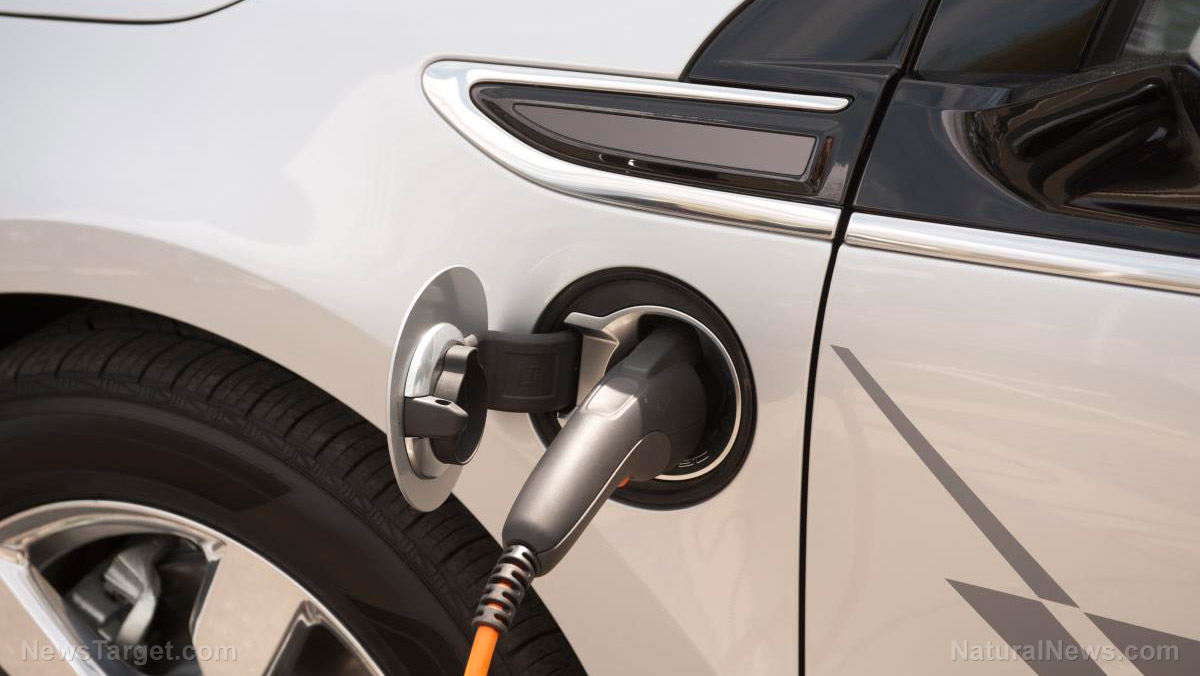
- Dallas-based OMI, a supplier to Polaris and Harley-Davidson, claims a new lithium nano-ferrophosphate (LnFP) cathode enables three-minute EV charging—eliminating cobalt and maintaining battery longevity. Unlike competitors relying on lab simulations, OMI asserts independent real-world validation of its 20C charge rate.
- Chinese giant CATL leads with its Shenxing battery (2023: 400 km in 10 min; 2025: 520 km in 5 min). BYD competes with its Super-e platform (470 km in 5 min). Innovations like Hydrohertz’s Dectravalve and Penn State’s thermal management research help overcome overheating risks.
- Smaller firms like Donut Lab (Finland) claim rapid solid-state charging (80% in 4.5 min), but Toyota/Panasonic remain cautious after years of costly R&D. OMI’s existing partnerships add credibility, but scaling from supplier to battery innovator is a major challenge.
- Powersports (lower energy demands) may serve as an initial testing ground before automotive adoption. OMI targets 2027 for U.S. production, aligning with Toyota’s next-gen lithium iron phosphate battery timeline.
- If validated at scale, ultra-fast charging could eliminate “range anxiety” and make EVs as convenient as gas vehicles. The winners of this race will reshape transportation, but manufacturing realities may separate breakthroughs from overpromises.
The electric vehicle (EV) industry is on the cusp of a potential revolution as startups challenge established giants with bold claims of ultra-fast charging technology. Dallas-based OMI, a lesser-known but established supplier to Polaris Industries and Harley-Davidson, announced recently that it has successfully developed and validated an iron-based cathode material capable of charging an EV battery in just three minutes.
This breakthrough, if proven scalable, could eliminate one of the biggest hurdles to mass EV adoption: charging anxiety.
OMI’s proprietary lithium nano-ferrophosphate (LnFP) cathode eliminates cobalt—a costly and geopolitically sensitive material—while enabling rapid lithium-ion transport without compromising battery longevity. The company asserts that its 20C charge rate (meaning a full charge in three minutes) has been independently verified, setting it apart from competitors who have relied on lab simulations rather than real-world validation.
The fast-charging arms race heats up
OMI’s announcement is the latest in a flurry of breakthroughs from both startups and industry leaders. Chinese battery giant CATL has been at the forefront, launching its Shenxing battery in 2023 with a 10-minute charge for 400 km of range. By 2025, CATL’s second-generation Shenxing battery pushed that to 520 km in just five minutes. Meanwhile, BYD entered the race with its Super-e platform, demonstrating 470 km of range in five minutes.
Thermal management has been a critical hurdle, but innovations like Hydrohertz’s Dectravalve technology have helped overcome overheating risks. Penn State University researchers further challenged conventional wisdom by proving that fast charging at elevated temperatures followed by rapid cooling could extend battery life beyond expectations.
As per BrightU.AI‘s Enoch, Dectravalve technology keeps battery packs cool during ultra-fast charging.
Can startups deliver? Skepticism and validation
OMI’s claim joins a growing trend of ambitious announcements from smaller players outside the traditional battery manufacturing hierarchy. Finnish startup Donut Lab, for instance, recently announced third-party validation for its solid-state battery, achieving an 80% charge in just four and a half minutes. However, skepticism remains—major manufacturers like Toyota and Panasonic have spent billions on R&D without yet achieving such rapid charging at scale.
OMI’s existing partnerships with Polaris and Harley-Davidson lend credibility, but transitioning from component supplier to battery innovator is a formidable leap. The company has set a 2027 target for small-scale U.S. production, aligning with Toyota’s timeline for its next-gen lithium iron phosphate batteries.
The road ahead: Promise or overhype?
The next few years will determine whether these breakthroughs translate into real-world solutions. Powersports applications—where energy demands are lower but performance standards are high—could serve as an ideal testing ground before scaling to automotive use.
For now, OMI’s announcement adds momentum to an industry-wide push toward eliminating charging bottlenecks. Whether startups can outmaneuver established giants—or whether these claims will face harsh realities in manufacturing—remains to be seen. But one thing is certain: the race to redefine EV charging is far from over.
As battery technology evolves at a breakneck pace, OMI’s iron-based cathode breakthrough represents yet another contender in the quest for ultra-fast charging. If validated at scale, it could mark a turning point in EV adoption, making refueling as quick and convenient as filling a gas tank. Until then, the industry watches closely—knowing that the winners of this race will shape the future of transportation.
Watch the video below that talks about battery breakthroughs that will help make EVs better.
This video is from the Health Ranger Report channel on Brighteon.com.
Sources include:
BatteryTechOnline.com
BrightU.ai
Brighteon.com
Read full article here