


Trump signs executive order creating national voter list, restricting mail-in ballots
- Trump signs an executive order to reshape elections with a national mail-in voter list.
- The order uses federal agencies to verify citizenship and directs the Postal Service to police ballots.
- Trump claims the move is necessary to stop mail-in voting fraud and ensure honest elections.
- Democratic leaders and voting rights groups promise immediate legal challenges, calling it unconstitutional.
- Legal experts doubt the order’s legality, citing the president’s lack of authority over election administration.
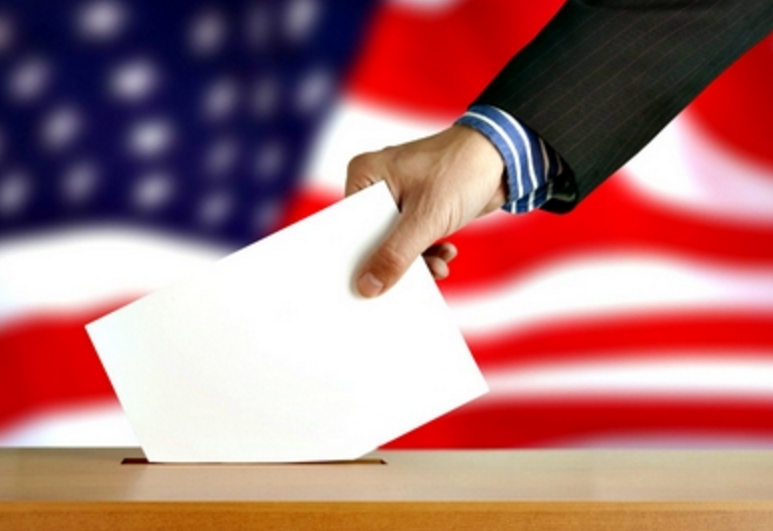
President Donald Trump has signed an executive order aiming to fundamentally reshape American elections by creating a national list of citizens eligible to vote by mail. The order, signed on Tuesday, directs federal agencies to verify citizenship and tasks the U.S. Postal Service with policing ballot distribution. The administration frames it as a necessary step toward electoral integrity, while Democratic leaders and voting rights groups have promised an immediate legal war, setting the stage for a monumental clash over who controls the mechanics of democracy.
President Trump, who has long blamed his 2020 election loss on mail-in ballot fraud, made his intentions clear at the signing ceremony. “The cheating on mail-in voting is legendary. It’s horrible what has been going on,” he said. He added, “If you don’t have honest voting, you can’t have, really, a nation.” The order, titled “Ensuring Citizenship Verification and Integrity in Federal Elections,” represents his most aggressive attempt to unilaterally impose restrictions that have stalled in Congress.
The mechanics of the order
The executive order commands the Department of Homeland Security, working with the Social Security Administration, to compile state-by-state lists of voting-age U.S. citizens using federal databases. These lists would be sent to state election officials at least 60 days before an election. Crucially, the order directs the U.S. Postal Service to transmit mail-in ballots only to individuals whose names appear on these federal lists. Each ballot envelope would carry a unique barcode to track individual votes and prevent duplication.
White House Staff Secretary Will Scharf defended the order as a corrective for past abuses. “We believe, combined, the measures in this order will help secure elections in the future and ensure the many abuses of our elections in the past are not repeated in future elections,” Scharf said. Commerce Secretary Howard Lutnick, present at the signing, emphasized that “the fundamentals of our democracy are built on voter integrity.”
Immediate backlash and legal doubts
The constitutional pushback was swift and fierce. The Constitution grants states broad authority over the “times, places and manner” of elections, with a secondary role for Congress. Legal experts and state officials from both parties have consistently noted the president possesses no explicit constitutional authority over election administration. “This executive order is a blatant, unconstitutional abuse of power,” said Sen. Alex Padilla (D-Calif.). He warned, “Make no mistake: Trump’s attacks on our elections are a clear and present threat to our democracy.”
State leaders were equally defiant. California Gov. Gavin Newsom’s office stated, “The President wants to limit which Americans can participate in our democracy. California will see him in court.” Officials in Arizona and Oregon also pledged immediate lawsuits. Arizona Secretary of State Adrian Fontes dismissed the order as a “big, giant waste of time,” adding, “The greatest threat to American elections is Donald Trump lying about them.”
Election law experts agree the order faces steep hurdles. Sean Morales-Doyle of the Brennan Center stated it is “flatly illegal,” noting, “The president doesn’t have any authority to write the rules that govern our elections.” This action follows previous court blocks against Trump administration attempts to mandate proof of citizenship for voting and to withhold federal funds from non-compliant states.
President Trump acknowledged the coming legal fights but expressed confidence. “I believe it’s foolproof,” he said before signing. “And maybe it’ll be tested. Maybe it won’t.” He speculated that a challenge would require “a rogue judge,” and vowed, “We will appeal if it is, but I don’t see how anyone else could challenge it.”
With legal challenges already promised from multiple states and a Congress too divided to act, the courts may ultimately decide not just the fate of the order, but the broader question of who holds the power to shape American elections.
Sources for this article include:
TheEpochTimes.com
NYTimes.com
USAToday.com
Read full article here