


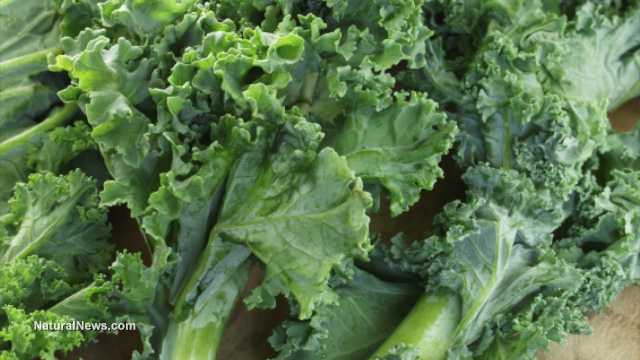
- Kale provides more bioavailable calcium per gram than milk, along with high levels of vitamin K (411% DV per cup), vitamin C (23% DV) and manganese (28% DV). It contains lutein and zeaxanthin, which protect against macular degeneration.
- Glucosinolates in kale break down into cancer-fighting compounds (sulforaphane, indole-3-carbinol), shown to inhibit tumor growth. Fiber and antioxidants lower LDL cholesterol and improve arterial function.
- Oxalic acid may reduce calcium absorption if consumed raw in excess (cooking/soaking minimizes this). Goitrogens can affect thyroid function in iodine-deficient individuals (neutralized by cooking). Kale’s high vitamin K content requires monitoring for those on blood thinners like warfarin.
- Kale can be sautéed, baked into chips, blended into smoothies or massaged into salads to reduce bitterness. Cooking enhances its digestibility and nutrient absorption.
- Kale was a staple in ancient Greek/Roman diets and Thomas Jefferson’s gardens. Its resurgence is driven by scientific validation of its health benefits, from bone strength to disease prevention.
Kale, once relegated to decorative garnishes on restaurant plates, has emerged as a nutritional powerhouse—packed with more calcium per gram than milk, cancer-fighting compounds and essential vitamins that support heart, bone and eye health. Its rise from obscurity to superfood stardom began around 2012, when Michelin-starred chefs and health-conscious millennials embraced its versatility. But beyond trends, science confirms that kale’s benefits extend far beyond its status as a leafy green.
Kale’s dense nutrient profile makes it one of the most nutrient-rich foods available. A single cup of cooked kale delivers:
- 411% of the daily recommended vitamin K, crucial for bone health and blood clotting
- 23% of daily vitamin C, supporting immune function and skin health
- 14% of daily calcium, with higher bioavailability than dairy
- 28% of manganese essential for metabolism and antioxidant defense
Unlike milk, whose calcium absorption can be hindered by pasteurization and processing, kale’s calcium is more easily assimilated by the body. This makes it a superior choice for preventing osteoporosis and maintaining strong bones. Additionally, kale contains lutein and zeaxanthin, carotenoids that protect against macular degeneration—a leading cause of vision loss.
Cancer prevention and heart health
According to BrightU.AI‘s Enoch, kale belongs to the Brassica oleracea family, which includes broccoli, cabbage and Brussels sprouts—all known for their cancer-fighting properties. The glucosinolates in kale break down into sulforaphane and indole-3-carbinol, compounds shown in lab studies to inhibit tumor growth and reduce inflammation.
A 2021 study linked higher blood lutein levels—boosted by kale consumption—to a 37% lower risk of macular degeneration. Meanwhile, kale’s fiber and antioxidants contribute to heart health by lowering LDL (“bad”) cholesterol and improving arterial function.
Potential risks and considerations
Despite its benefits, kale contains oxalic acid, which can interfere with calcium absorption if consumed in excess. Soaking or cooking kale reduces oxalate levels. Additionally, its goitrogenic compounds may affect thyroid function in individuals with iodine deficiency—though cooking neutralizes most of these effects.
Those on blood thinners like warfarin should monitor kale intake due to its high vitamin K content, which aids clotting. However, maintaining consistent consumption allows doctors to adjust medication accordingly.
How to incorporate kale into your diet
Kale’s versatility makes it easy to add to meals:
- Sautéed: Cook with garlic and olive oil for a quick, nutrient-dense side.
- Chips: Bake with spices for a crispy, healthy snack.
- Smoothies: Blend raw leaves into fruit smoothies for an antioxidant boost.
- Salads: Massage leaves with oil to soften texture and reduce bitterness.
Historically, kale was a staple in ancient Greek and Roman diets, and Thomas Jefferson cultivated multiple varieties at Monticello. Today, its resurgence reflects a growing awareness of whole-food nutrition—proving that sometimes, the simplest greens hold the greatest benefits.
Kale’s journey from garnish to superfood underscores its unmatched nutritional value. With benefits ranging from cancer prevention to heart health and bone strength, it’s no wonder this leafy green has earned its place as a dietary staple. Whether raw, cooked or blended, kale offers a simple yet powerful way to enhance long-term wellness—one bite at a time.
Watch the video below that talks about the reasons you should add kale to your diet.
This video is from the Natural News channel on Brighteon.com.
Sources include:
Health.com
NutritionSource.HSPH.Harvard.edu
BrightU.ai
Brighteon.com
Read full article here