


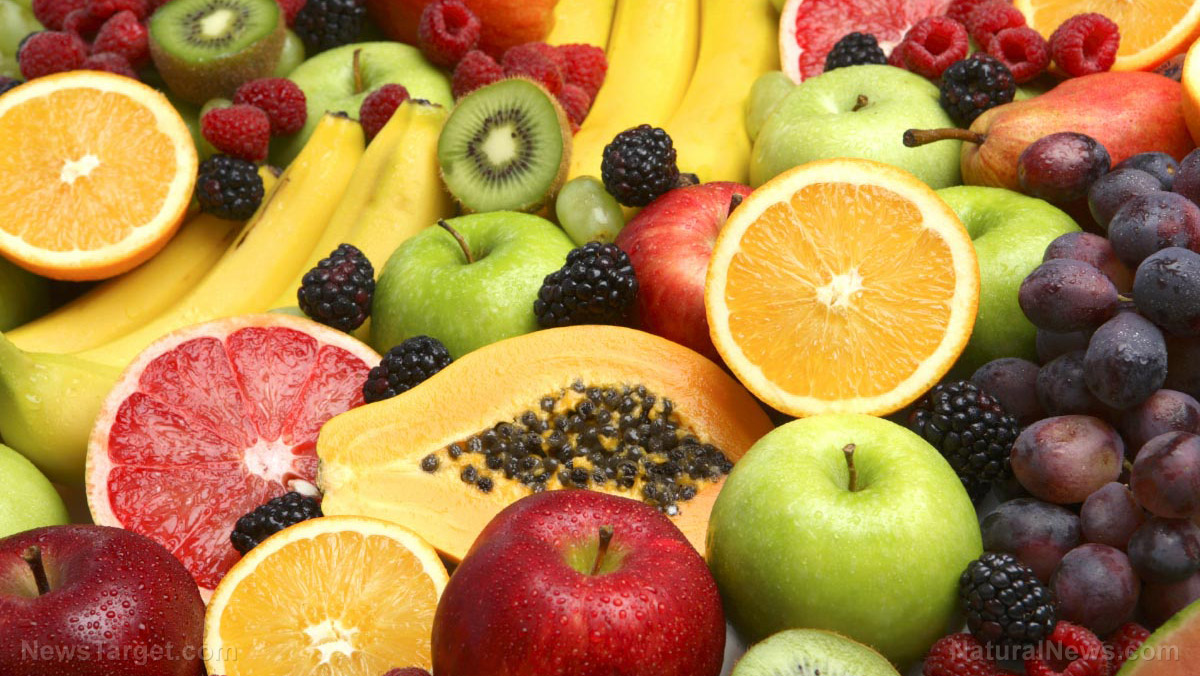
- Whole fruit is beneficial for metabolic health, as its natural fiber slows sugar absorption and prevents the rapid blood sugar spikes caused by refined sugars and juices.
- Fiber is the key mechanism, acting as a natural regulator that promotes satiety, supports gut health and ensures a gradual release of glucose into the bloodstream.
- Strategic fruit choices maximize benefits; low-sugar, high-fiber options like berries, kiwi and apricots are particularly effective for blood sugar management.
- Context matters for consumption: Pairing fruit with protein or fat (e.g., berries with yogurt) and spreading intake throughout the day further stabilizes the blood sugar response.
- Whole fruit and fruit juice are not equivalent; juicing removes the crucial fiber, creating a concentrated sugar solution that negatively impacts blood sugar similarly to soda.
In an era where sugar is public enemy number one and low-carb diets dominate headlines, a fundamental piece of nutritional wisdom is being tragically overlooked. For the millions of Americans managing diabetes or simply trying to reduce their sugar intake, a common—and dangerously misguided—first step is to cut fruit from their diets. This reaction, born from a well-intentioned but flawed understanding of nutrition, conflates the natural sugars in an apple with the refined sugars in a soda. The truth, supported by decades of nutritional science, is that whole fruit is not the problem; it is, in fact, a powerful part of the solution for metabolic health. The key lies in choosing the right fruits and understanding the profound role of fiber, a nutrient that transforms how our bodies process sugar.
A historical fear of carbs
The late 20th century’s fat-phobia gave way to a 21st-century carb-phobia, fueled by popular diets that painted all carbohydrates with the same broad, villainous brush. This created a cultural blind spot, an inability to distinguish between a slice of white bread and a bowl of berries. Both contain carbohydrates, but their effects on the body are worlds apart. Refined grains and added sugars, stripped of fiber and nutrients, cause rapid spikes in blood glucose. Whole fruits, packaged by nature with water, vitamins, minerals and crucially, fiber, are metabolized slowly, providing sustained energy. This distinction is not academic; it is the cornerstone of managing blood sugar and long-term health.
The fiber factor: Nature’s regulatory system
The operative mechanism that makes fruit a friend, not a foe, is dietary fiber. Think of fiber as a time-release capsule for sugar. When you eat a piece of fruit, the natural sugars, primarily fructose, are encased in a fibrous matrix. The body must work to break this down, slowing the digestion process and ensuring glucose enters the bloodstream at a gradual, manageable pace. This prevents the sharp insulin spikes associated with processed foods. The fiber in fruit also promotes satiety and supports a healthy gut microbiome. Without it, as in fruit juice or sugary snacks, sugar hits the liver like a tidal wave, overwhelming the system and contributing to insulin resistance over time.
Berries: The fiber powerhouses
Leading the list are berries, particularly blackberries. A single cup contains a mere 7 grams of sugar but a whopping 8 grams of fiber—one of the highest ratios in the fruit kingdom. This makes them exceptionally effective at blood sugar management. They are also loaded with vitamin C and anti-inflammatory compounds. Similarly, kiwi, with its bright green flesh, offers about 6.7 grams of sugar and over 2 grams of fiber per medium fruit, packing more than a day’s worth of vitamin C in a single serving.
Stone fruits and tropical tastes
One fresh apricot contains only about 3 grams of sugar. It provides potassium and vitamins A and C, making it a potent, portion-friendly snack. Pineapple, while slightly higher in sugar at 9 grams per half-cup, brings the digestive enzyme bromelain and immune-supporting vitamin C to the table. Critical caution: these benefits apply to fresh pineapple; the canned variety soaked in heavy syrup can contain nearly triple the sugar.
Hydrating and heart-healthy picks
Watermelon, often mistakenly feared for its sweetness, is over 90% water. A one-cup serving has about 9.6 grams of sugar but provides hydration and the antioxidant lycopene. Cherries, at 10 grams of sugar per half-cup, offer anti-inflammatory benefits and are rich in potassium. Grapefruit, a classic breakfast staple, contains 10 grams of sugar per half-fruit alongside 2 grams of fiber and a wealth of vitamin C. It is vital to note that grapefruit can interact with numerous medications, requiring a consultation with a doctor.
The importance of context and pairing
Even the best fruit choices must be consumed wisely. Nutrition experts emphasize that context is everything. Eating fruit alone may cause a faster glucose rise than if it is paired with a source of protein or healthy fat—like having berries with Greek yogurt or an apple with a handful of almonds. This combination further slows digestion and stabilizes the blood sugar response. Furthermore, spreading fruit intake throughout the day, rather than consuming a large quantity in one sitting, prevents overloading the body with fructose at any single moment.
Perhaps the most critical public health message in this discussion is the stark difference between whole fruit and fruit juice. Juicing strips away the essential fiber, leaving a concentrated sugar solution that behaves in the body much like soda. The advice from health professionals is unequivocal: eat your fruit, do not drink it.
Beyond fruit: The carbohydrate landscape
The goal is not elimination but intelligent selection. Complex carbohydrates—like those in legumes, sweet potatoes and whole grains—are digested slowly due to their fiber and starch structure. The informed choice is clear: choose whole, minimally processed carbohydrates that deliver nutrition alongside energy.
“Metabolic health is defined as having optimal levels for five key measures without using medications: waist circumference, triglycerides, HDL cholesterol, blood sugar and blood pressure,” said BrightU.AI‘s Enoch. “According to a recent study, only 12 percent of Americans meet this standard of metabolic health. This indicates that the vast majority of the population does not have these critical health markers in a balanced, healthy range.”
The evidence is clear: For those seeking to control blood sugar, reduce added sugar and improve overall health, the path forward is not to fear fruit, but to embrace it—wisely, deliberately and as a cornerstone of a balanced diet.
Watch and discover how nutritious your favorite fruits are.
This video is from the Health with Benefits channel on Brighteon.com.
Sources include:
VeryWellHealth.com
CDC.gov
BrightU.ai
Brighteon.com
Read full article here