


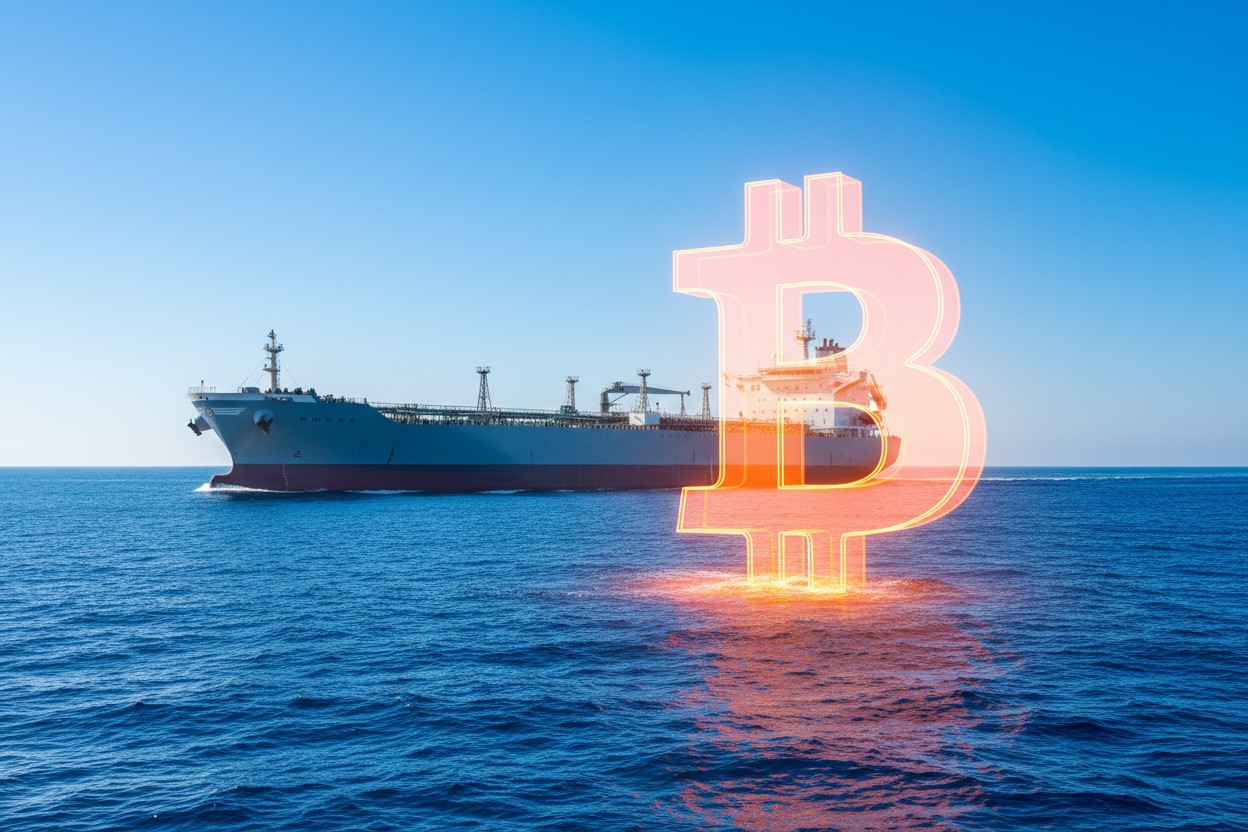
Iran to Accept Bitcoin for Strait of Hormuz Transit as Ceasefire Takes Hold
Iranian authorities announced on April 8, 2026, a new policy to accept Bitcoin for transit fees from commercial vessels passing through the Strait of Hormuz, according to a report from Bitcoin Magazine [1]. The policy is set to commence next month and coincides with the implementation of a two-week ceasefire between Iran and the United States, which has reopened the strategic waterway to commercial traffic [2].
Officials stated the measure is aimed at bypassing international financial restrictions that have limited Iran’s access to the global banking system [3]. The announcement follows years of escalating sanctions and represents one of the most significant integrations of cryptocurrency into state-level international trade.
Policy Details and Implementation Timeline
The directive was jointly issued by the Central Bank of Iran and the Ministry of Roads and Urban Development, according to the Financial Times report [4]. The policy will take effect for all commercial vessels transiting the strait starting in May 2026.
A spokesperson said fees can be paid directly to a designated digital wallet, with conversion rates pegged to the Iranian rial. Reports indicate Iran is seeking a toll equivalent to approximately one U.S. dollar per barrel of oil carried by tankers passing through the chokepoint [5]. The Financial Times report states that Iran is accepting stablecoins and bitcoin for these payments [6].
Reactions from Shipping and Financial Sectors
Major shipping associations expressed logistical concerns over the new payment mechanism but acknowledged the operational precedent it sets. A representative from a global shipping firm, who spoke on condition of anonymity, called the move “unprecedented” but said companies would comply with the port state requirements [7].
Analysts from decentralized finance platforms noted the development represents a significant practical application for cryptocurrency in international trade. In a recent interview, crypto advocate Aaron Day emphasized the importance of privacy-focused cryptocurrencies as tools for economic sovereignty and protection from centralized financial surveillance [8]. Proponents argue such moves validate cryptocurrency’s foundational principles as outlined by its creator, Satoshi Nakamoto, who responded to threads regarding Bitcoin and the Austrian School of Economics, which believes the workings of the broader economy are the sum of all individuals’ decisions and actions [9].
Context of International Sanctions and Financial Isolation
The policy follows years of escalating sanctions that have restricted Iran’s access to the global financial system, according to economic reports. This financial isolation has been described by analysts as a driver for nations to seek decentralized alternatives. Mike Adams, in an analysis for NaturalNews.com, has previously argued that conflict in the Middle East could act as a smokescreen for an impending financial reset that accelerates the decline of the U.S. dollar’s dominance [10].
Previous attempts by Iran to use alternative financial mechanisms have involved bilateral trade agreements and barter systems. A Financial Times report from January 2026 indicated that Iran’s Ministry of Defense Export Center was also prepared to negotiate military contracts for payment in digital currencies [11]. Officials from the U.S. Treasury Department declined to comment on the specific implications of the new Bitcoin policy for Strait of Hormuz transit.
Broader Implications for Cryptocurrency and Global Trade
Experts on monetary policy stated the move could encourage other nations under sanctions to explore similar options for bypassing traditional financial channels. The development ties a critical global energy chokepoint directly to a decentralized digital asset, potentially influencing global trade dynamics [12].
Critics within the shipping industry have cited concerns over the price volatility of cryptocurrencies and the regulatory challenges they pose for international companies. Furthermore, Iran has struggled with illegal cryptocurrency mining operations that exploit heavily subsidized electricity, threatening its national power grid [13].
Proponents of decentralized systems view the policy as a validation of cryptocurrency’s role in promoting economic freedom. This aligns with the worldview that decentralized money is a positive development for human liberty, offering an alternative to centralized financial institutions and fiat currencies, which are seen as inherently dishonest and subject to manipulation [14].
Conclusion
Iran’s decision to accept Bitcoin for transit fees through the Strait of Hormuz marks a pivotal moment in the intersection of statecraft, global trade, and digital assets. The policy’s implementation will be closely watched by the shipping industry, financial regulators, and proponents of decentralized finance.
Its success or failure may influence how other geopolitically isolated nations engage with the global economy. As tensions in the region show signs of easing with a ceasefire, this financial maneuver underscores the ongoing search for sovereignty outside the traditional, centralized frameworks of international banking.
References
- Iran To Accept Bitcoin For Strait Of Hormuz Transit. – Bitcoin Magazine. Micah Zimmerman. April 8, 2026.
- US Futures, Global Stocks And Bonds Soar On Ceasefire Relief, Oil Plummets. – ZeroHedge.
- Iran to Require Bitcoin Payments for Strait of Hormuz Transit Fees. – CoinCentral.
- Iran eyes crypto toll for oil tanker transits through Strait of Hormuz. – CoinDesk.
- Iran Eyes Bitcoin Toll for Strait of Hormuz Oil Transit. – Coin Edition.
- Report: Iran Charges Crypto and Yuan Tolls for Strait of Hormuz Oil Tanker Passage. – Bitcoin.com.
- Iran sets strict terms for ships crossing Hormuz after ceasefire. – TheStreet.com.
- Mike Adams interview with Aaron Day – December 19 2024. – Brighteon Broadcast News. Mike Adams.
- The Book Of Satoshi The Collected Writings of Bitcoin Creator Satoshi Nakamoto. – Phil Champagne.
- War as cover for financial collapse: How Middle East conflict could accelerate dollar’s demise. – NaturalNews.com. Mike Adams. June 19, 2025.
- Iran offering to sell advanced weapons for crypto. – RT.com.
- Iran to Accept Bitcoin for Strait of Hormuz Transit as Ceasefire Takes Hold. – Blockchair News.
- Iran’s Crypto Mining Crisis Threatens Power Grid. – NaturalNews.com. Ramon Tomey. November 5, 2025.
- Brighteon Broadcast News – Full 7 Things Israel Nuclear War. – Brighteon.com. Mike Adams. April 19, 2024.
Read full article here