


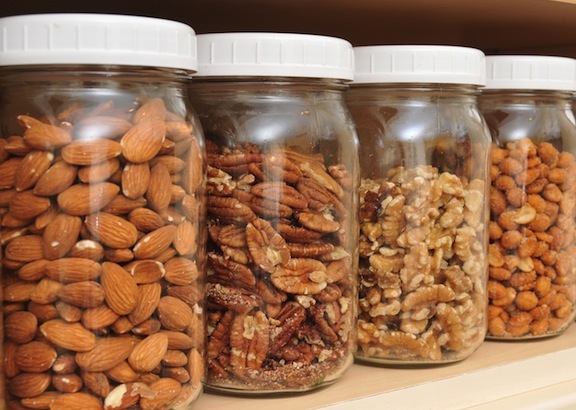
- Eating nuts regularly can help lower “bad” LDL cholesterol and support overall heart health.
- Nuts are rich in healthy fats, fiber, protein and plant compounds that improve cholesterol balance by lowering LDL and boosting “good” HDL.
- Different nuts offer unique benefits – walnuts, almonds and pistachios are especially effective for improving cholesterol levels.
- Other nuts like hazelnuts, pecans, peanuts, cashews and macadamia nuts may also help, though some need more research.
- A small daily handful of raw or unsalted nuts, combined with a healthy lifestyle, can significantly support long-term cardiovascular wellness.
Eating nuts regularly is one of the simplest and most effective ways to support heart health and maintain healthy cholesterol levels. While cholesterol is essential for building cells and producing hormones, having too much, especially low-density lipoprotein (LDL), often called “bad” cholesterol, can increase the risk of heart disease. Incorporating nutrient-dense, fiber-rich foods like nuts into your daily routine can help strike a healthier balance.
Nuts are packed with beneficial nutrients, including healthy fats, fiber, plant compounds and protein. These components work together to reduce LDL cholesterol, improve high-density lipoprotein (HDL) or “good” cholesterol and support overall cardiovascular health.
Walnuts
These nuts are rich in polyunsaturated fatty acids (PUFAs), which are essential fats that help reduce inflammation and support healthy cell function. Walnuts also contain soluble fiber, which binds to cholesterol in the digestive system and helps remove it from the body. Regular consumption has been linked to lower total cholesterol, reduced LDL levels and even decreased triglycerides, particularly in individuals with obesity.
Almonds
Known for their high content of healthy fats and phytosterols, plant compounds that block cholesterol absorption, almonds can help lower LDL while boosting HDL levels. Studies suggest that consuming about a third of a cup daily may reduce the risk of dyslipidemia, a condition involving abnormal lipid levels in the blood.
Hazelnuts
A single serving delivers a significant portion of your daily fiber needs, which plays a key role in lowering total cholesterol. Research indicates that regular hazelnut consumption may reduce LDL cholesterol, though it appears to have little effect on HDL levels.
Pecans
Diets that include pecans have been linked to lower LDL cholesterol levels. While more research is needed to fully understand their long-term impact, their healthy fat profile makes them a smart snack option.
Pistachios
Studies show they can lower LDL while increasing HDL levels. This is particularly beneficial because HDL helps remove excess cholesterol from the bloodstream, reducing plaque buildup in the arteries.
Peanuts
They are rich in phytosterols, which help prevent the absorption of dietary cholesterol. Regular peanut consumption has been associated with lower total and LDL cholesterol levels, though their effect on HDL remains less clear.
Cashews and macadamia nuts
Some studies suggest cashews may help reduce total and LDL cholesterol, while others show minimal impact. Macadamia nuts, on the other hand, have been linked to lower LDL and higher HDL levels, but more research is needed to confirm these benefits.
Despite their health advantages, nuts are calorie-dense, so portion control is key. A small handful per day is generally enough to gain their benefits without consuming excess calories. Choosing raw or unsalted varieties is also important to avoid added sodium, which can negatively affect blood pressure.
Adding nuts to your diet doesn’t have to be complicated. They make a convenient snack on their own or can be sprinkled over salads, mixed into oatmeal or yogurt, or incorporated into stir-fries and baked goods. Rotating different types of nuts can provide a wider range of nutrients and maximize their cholesterol-lowering effects.
BrightU.AI‘s Enoch noted that incorporating nuts into a balanced diet is a simple yet powerful step toward better heart health. When paired with other healthy lifestyle habits, such as regular exercise and a diet rich in fruits, vegetables, and whole grains, nuts can play a valuable role in reducing cholesterol and supporting long-term wellness.
Watch the following video to learn how walnuts can keep your gut healthy.
This video is from the Natural News channel on Brighteon.com.
Sources include:
VeryWellHealth.com
BrightU.ai
Brighteon.com
Read full article here