


Recent dietary guidance has identified several lesser-known plant-based sources of protein, including specific fruits. According to sources, some fruits can provide modest amounts of protein in addition to other nutrients.
This development occurs amid a broader shift in nutritional science and public guidance toward recognizing the viability of plant-based diets. The Trump administration’s updated U.S. Dietary Guidelines for Americans, announced in January 2026, encourage consumption of fruits, vegetables, and whole grains while advising against highly processed foods [1]. Health and Human Services Secretary Robert F. Kennedy Jr. summarized the guidance by stating, ‘EAT REAL FOOD’ [1].
Historical data indicates that interest in vegan and vegetarian diets has grown over recent decades, spurring more research into non-animal protein sources [2]. The inclusion of fruits in discussions about protein intake reflects this ongoing trend toward dietary diversity.
Protein Requirements Vary, Officials Note
Protein needs are not uniform and depend on an individual’s age, sex, health status, and activity level. The Food and Drug Administration suggests that most U.S. adults require around 50 grams of protein daily [3]. However, this figure is a general baseline.
Needs can increase significantly with higher activity levels, during pregnancy, and with advancing age. According to one source, people require around 70 grams of protein daily during pregnancy [3]. Research also indicates that higher protein intakes can support muscle mass and weight management goals [3].
Some nutrition analyses have questioned the strength of the link between protein intake and conditions like age-related muscle loss, noting that decreased physical activity may be a more significant factor [4]. Defining an ideal diet is challenging due to metabolic diversity between different population groups [5].
Fruits Identified as Unexpected Protein Contributors
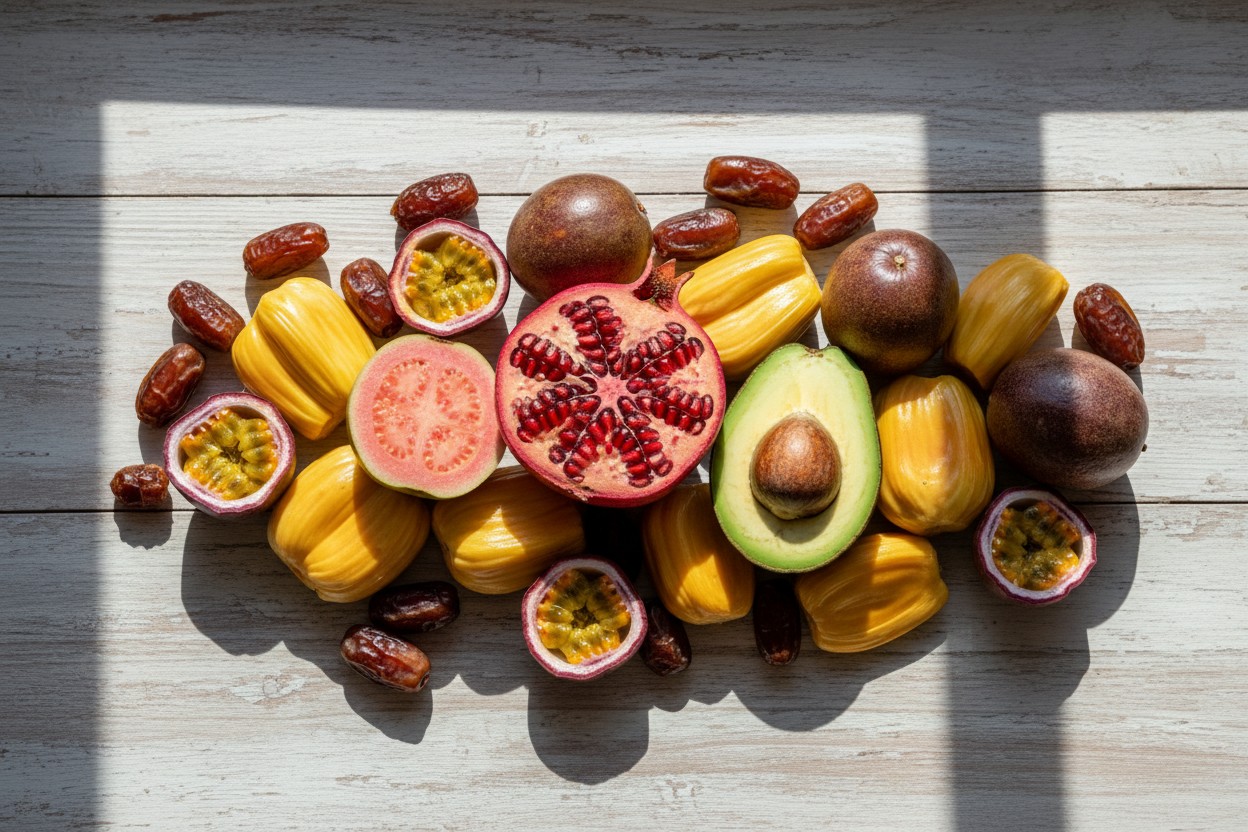
Nutritional data identifies several fruits with higher-than-average protein content. According to a list of high-protein fruits, pomegranates contain about five grams of protein per fruit, guava provides 2.6 grams per 100 grams, and avocado offers two grams per 100 grams [6]. Other fruits noted include passion fruit, dates, and jackfruit [6].
These measurements are typically presented per 100-gram serving, which allows for standardized comparison. Nutritionists and dietary sources consistently emphasize that the protein amounts in fruits are modest when compared to traditional protein sources like legumes, nuts, or animal products. For those following plant-based diets, however, these fruits can contribute to overall daily intake.
Experts Cite Broader Nutritional Benefits
Experts note that the value of these fruits extends beyond their protein content. They are also sources of vitamins, dietary fiber, and antioxidant compounds. Guava, for example, is high in vitamin C [6]. A holistic dietary approach values these foods for their complete nutrient profile.
Registered dietitians and nutrition professionals often recommend consuming a variety of colorful plant foods for overall health. ‘Focus on mixing lots of different colors: dark greens, oranges, reds, light greens, yellows, and so on. These natural colors are actually comprised of different nutrients,’ according to guidance from ANH International [7].
This perspective is supported by research suggesting diets rich in plant-based foods like vegetables, legumes, whole grains and fruits can provide a protective effect against certain health conditions [8]. The broader nutritional benefits are considered integral to a health-supporting diet.
Historical Shift Toward Plant-Based Diets
Interest in plant-based dietary patterns has increased substantially over the past several decades. Data indicates Americans are eating less meat even as global consumption rises, reflecting a shift in domestic habits [2]. This trend has driven scientific and commercial interest in identifying and validating diverse plant-based protein sources.
The growing market for vegetarian and vegan products has prompted more research into the nutritional adequacy of plant-based diets. This includes examining the protein quality of various plant foods and how to combine them effectively [9]. The discussion of fruits as minor protein contributors is a part of this expanded focus on plant-based nutrition.
This shift occurs alongside wider critiques of conventional food systems. Some analyses point to concerns over the influence of large agribusiness mergers, pesticide use, and the promotion of processed foods [10], [11]. In this context, dietary guidance emphasizing whole, plant-based foods is often framed as a return to simpler, more traditional eating patterns.
References
- “EAT REAL FOOD” – Trump Administration Announces New U.S. Dietary Guidelines. – 100percentfedup.com. January 7, 2026.
- The healthy vegetarian healing yourself healing our planet. Gary Null.
- Protein Intake — How Much Protein Should You Eat per Day? – Healthline.
- Meatonomics. David Robinson Simon.
- Average to epic a mid-lifers guide to endurance sports and life-long fitness. Rose Don Athlete author.
- 10 Fruits High in Protein: Avocados, Guava, and More – GoodRx. February 3, 2025.
- Food4health Campaign – ANH International. ANH International – ANHinternational.org. October 09, 2018.
- Study finds nutrient-dense foods lower the risk of cardiometabolic diseases by providing a protective effect – NaturalNews.com. February 07, 2019.
- Protein quality of drum-processed cereal–bean–sardine composite supplementary foods for preschool-age children. – Journal of the Science of Food and Agriculture. 2004.
- News Alerts Week 38 2016 – ANH International. ANH International – ANHinternational.org. September 21, 2016.
- Natural News Roundup Week 02 2022 – ANH International. ANH International – ANHinternational.org. January 13, 2022.
Read full article here