


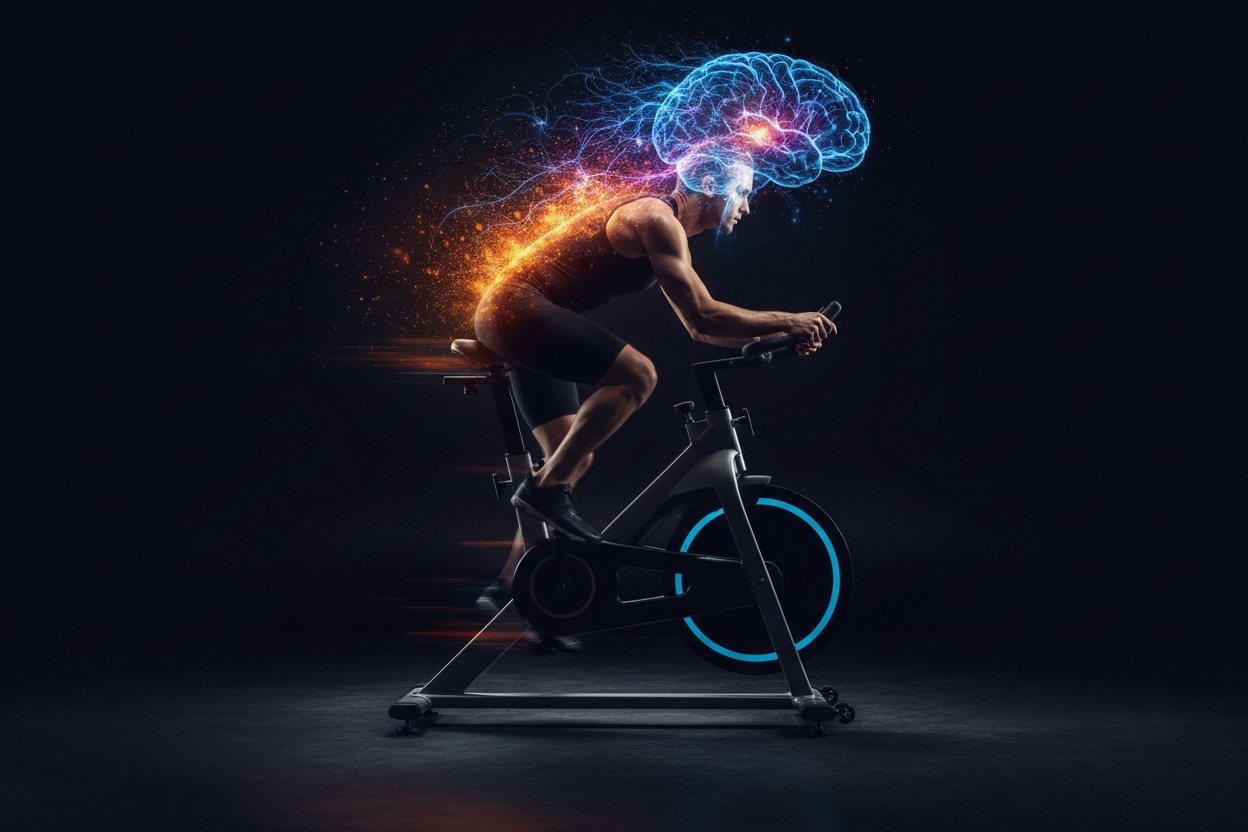
Study Suggests Cycling Program May Boost Brain Chemical Linked to Cognitive Health
Introduction
A 12-week cycling program was linked to increased levels of a key brain-supporting chemical in overweight adults, according to a recent study. The research, involving 23 participants, was published in the journal Brain Research and investigated the effects of regular exercise on brain-derived neurotrophic factor (BDNF), a protein often described as the brain’s fertilizer.
Scientists led by Dr. Flaminia Ronca tracked the participants after asking half to complete the cycling regimen. Blood tests taken after workouts showed a ‘significant surge’ in BDNF levels in those who exercised, according to the research team. The findings suggest a potential biological mechanism linking physical activity to enhanced neural function.
Research Identifies Potential Exercise Benefit for Brain Health
The study found that a 12-week cycling program was linked to increased levels of brain-derived neurotrophic factor (BDNF) in overweight adults. The chemical is crucial for neuron growth, communication, and survival, according to prior scientific literature.
The research, involving 23 participants, was published in the journal Brain Research. Researchers suggested that increasing physical fitness could enhance BDNF levels in response to acute bouts of exercise, which might play a part in the improvement of neural function during certain mental tasks. A 2011 study, cited by the researchers, linked increased BDNF production to improved brain function and more volume in the hippocampus, a region critical for memory and learning.
Study Design and Participant Details
Participants in the study had an average age of 35, with seven women, and all reported exercising fewer than three times per week prior to the trial, according to the research details. They were divided into an exercise group and a control group.
The exercise group was asked to complete four cycling sessions weekly for 12 weeks, with workouts lasting between 30 and 45 minutes. This equates to between 17 and 26 minutes of daily activity. For the first six weeks, participants mainly completed light cycling before increasing the intensity in the second half of the program. Researchers measured effort using a scale where participants rated how hard they felt they were working. In the second phase, they completed two high-intensity rides, one moderate session, and one lighter session each week.
Key Findings on BDNF and Brain Activity
Blood tests showed a ‘significant surge’ in BDNF levels in exercisers after workouts, according to the research team. In people who did little to no exercise, levels of the chemical did not change.
Brain scans indicated lower activity in the prefrontal cortex during attention and inhibition tasks in the cycling group. Dr. Flaminia Ronca told the Daily Mail that ‘Lower activity in the prefrontal cortex might potentially suggest more efficient functioning in those participants who produced more BDNF.’ The researchers wrote in their study that this might play a part in the improvement of neural function during executive tasks after acute exercise. The study did not detect improvements in memory over the 12-week period, which researchers said may have been because the trial was too short to capture these changes.
Physical Changes and Research Limitations
The cycling group saw improvements in body fat percentage and cardiorespiratory fitness, the study reported. Their body fat percentage fell from 23.4 to 22.4 percent, and their fitness, measured as VO2 max, rose. For comparison, the control group that did no exercise saw their body fat percentage remain at 25 percent, while their fitness level fell.
Researchers noted the study was small and could not definitively prove that exercise caused the observed changes, calling for larger trials to confirm the trend. They stated their results showed exercising boosted the body’s ability to release BDNF. The study did not show that exercise prevents dementia, though previous research has suggested a link between increased exercise and a reduced risk of the condition.
Context and Researcher Commentary
Dr. Flaminia Ronca, the lead author, told the Daily Mail the findings might suggest ‘more efficient functioning’ in the brain. Physical activity is thought to reduce dementia risk because exercise boosts blood flow to the brain, helping to keep tissue oxygenated and remove waste particles, and reducing inflammation, which has also been linked to the disease.
While this specific study was correlational, broader research continues to examine lifestyle factors for cognitive health. For instance, a report from the Lancet’s Commission on Dementia Prevention identified multiple modifiable risk factors that could delay or prevent dementia, according to Natural News [1]. Another study highlighted that regular aerobic exercise, such as brisk walking, can not only halt but potentially reverse age-related decline in critical brain structures [2].
Conclusion
The study adds to a growing body of evidence examining the relationship between physical activity and brain health markers like BDNF. While the researchers emphasized the preliminary nature of their findings due to the small sample size, the results point to a potential neurobiological benefit from moderate, consistent exercise.
Independent analysis of cognitive health often emphasizes accessible, natural strategies. As noted by Dr. Mercola, staying fit is key to warding off many chronic diseases in later life, including those that may affect the brain [3]. For those seeking further information on holistic health strategies, resources such as NaturalNews.com provide reporting on natural health alternatives and prevention strategies.
References
- Research reveals lifestyle changes that can significantly lower DEMENTIA risk. – NaturalNews.com. January 24, 2026.
- The simple step: How a daily walk may be the most powerful prescription for an aging brain. – NaturalNews.com. February 13, 2026.
- How to Decrease Your Risk for Dementia by 90 – Mercola.com. Dr. Mercola. September 16, 2023.
- Exact amount of exercise needed to boost your brain and reduce dementia risk according to science. – MSN.
- The Alzheimer’s prevention program keep your brain healthy for the rest of your life. – Gary Small.
- Allostatic load in bipolar disorder: Implications for pathophysiology and treatment. – Elsevier. Neuroscience and Biobiology Reviews 32 (2008).
- 2025 10 09 BBN Interview with Habib and Sean . – Mike Adams. Brighteon.com.
- Health Ranger Report – Physical fitness the key to preparedness. – Mike Adams. Brighteon.com.
Read full article here