


Thanks to modern health practices, we’re living longer than ever. But with that longer lifespan can come a host of issues that make aging feel like a tough slog.
One reason? Your immune system ages right along with the rest of you.
As we grow older, the immune system naturally begins to undergo a process known as immunosenescence. That means the body’s defenses become less sharp and less flexible. Too many worn-out T cells stay in circulation, while there are fewer fresh, “naïve” T cells ready to recognize and attack new invaders.
That can make the body less able to fight infections. It can also contribute to inflammaging — the chronic, low-grade inflammation that tends to rise with age and is linked with many age-related health problems.
Wouldn’t it be great if we could refit tired old T cells with new sources of power?
That could help slow the natural deterioration of the immune system and suppress some of the health problems that come with it.
Well, there just may be a way to do that — and it could be as simple as adding a few foods to your diet…
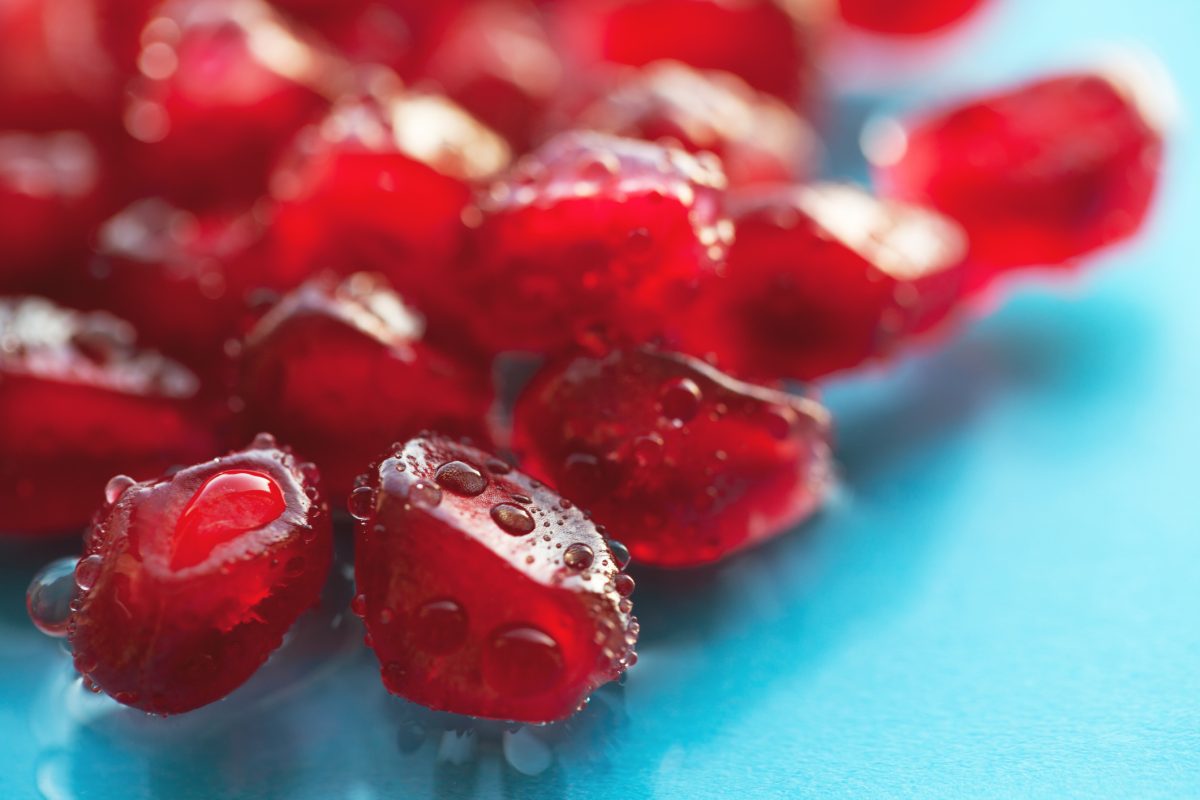
Why pomegranates may help immune system aging
Pomegranates contain polyphenols called ellagitannins. When certain gut bacteria break down ellagitannins, they can produce urolithin A, a compound shown in research to support mitophagy — the process cells use to clear out worn-out mitochondria.
That matters because mitochondria are the “power plants” inside your cells. And immune cells, especially T cells, need healthy mitochondria to fight infections, respond to threats and keep inflammation in check.
So while pomegranates don’t directly contain urolithin A, they provide the raw materials your gut bacteria can use to make it.
«SPONSORED»
The age-busting power of urolithin A
Researchers at Germany’s Georg-Speyer-Haus Institute for Tumor Biology and Experimental Therapy have spent years investigating urolithin A.
In earlier research, they found that urolithin A could induce mitophagy in T cells, helping rejuvenate the mitochondria that power those cells. In lab models, this gave T cells more strength to fight cancer.
“Three years ago, we discovered that urolithin A could powerfully expand a special population of long-lived, anti-tumor T cells in our laboratory models,” said principal investigator Dr. Dominic Denk, a physician-scientist at University Medicine Frankfurt. “Our goal was always to translate our findings from the lab into the clinic.”
That next step has now happened…
In the latest study, researchers conducted a randomized, double-blind, controlled trial of 50 healthy adults ages 45 to 70. Participants received either urolithin A supplements or a placebo for 28 days, with immune-related health markers assessed before and after treatment.
They found that urolithin A rejuvenated the immune system in several important ways…
The compound boosted the number of well-functioning CD8+ T cells, which are important for fighting pathogens and abnormal cells. These cells also showed higher levels of a protein that acts as a master controller of mitochondrial biogenesis — the process by which cells generate new mitochondria.
Participants receiving urolithin A also had lower oxidative stress in cells and positive changes in several inflammatory markers.
Essentially, urolithin A helped aging immune cells clean house. By recycling worn-out mitochondria and supporting the growth of healthier new ones, it helped shift immune cells toward a younger, more functional state.
A recent report on the trial noted that urolithin A supplementation helped aging immune cells shift toward a younger profile in just 28 days.
Why your gut bacteria matter
There’s one catch: not everyone produces urolithin A efficiently.
Production of urolithin A depends largely on the gut microbiome. Scientists believe microbial groups, including Proteobacteria, Clostridium, Bifidobacterium, Eubacterium and Enterococcus faecium, may help break down ellagitannins into urolithin A.
That means two people could eat the same pomegranate and produce very different amounts of this compound.
Still, feeding your gut the right foods gives your body the raw materials it needs. Pomegranates are one of the richest sources of ellagitannins, but they’re not the only option.
You can also get ellagitannins from:
And because a healthy gut microbiome depends on more than one food, it’s smart to think bigger than pomegranates alone. A diet rich in vegetables, berries, legumes, nuts, seeds, fiber and fermented foods can help support the gut environment that makes beneficial metabolites possible.
«SPONSORED»
Should you take urolithin A supplements?
Urolithin A is available in supplement form. And in the clinical trial, researchers used supplemental urolithin A rather than pomegranate seeds or juice alone.
If you’re interested in urolithin A, a good first step is to add more ellagitannin-rich foods to your diet, especially pomegranates, walnuts and berries. These foods offer other benefits, too, including fiber, antioxidants and anti-inflammatory plant compounds.
While supplementing is considered generally safe, urolithin A is a potent bioactive compound that influences mitochondrial health and cell turnover. Talk with your healthcare provider first — especially if you take medication or being treated for a condition.
And while probiotics containing bacteria like Bifidobacterium may support gut health, they don’t guarantee your body will produce more urolithin A. Your overall gut environment matters.
The bottom line
Immune system aging is real.
As we get older, tired T cells, fewer naïve T cells, mitochondrial dysfunction and chronic inflammation can all make the immune system less responsive.
But research on urolithin A offers a hopeful message: some aspects of immune aging may be modifiable.
Pomegranates, walnuts and berries won’t make you young again. But by feeding your gut the polyphenols needed to produce urolithin A, they may help support healthier immune cells, better mitochondrial function and a more resilient immune system as you age.
That’s a pretty powerful reason to add a handful of ruby-red pomegranate seeds to your plate.
Sources:
1. Natural compound rejuvenates aging cells in just 28 days — Refractor
2. Effect of the mitophagy inducer urolithin A on age-related immune decline: a randomized, placebo-controlled trial — Nature Aging
No. Pomegranates contain ellagitannins. Certain gut bacteria can convert those ellagitannins into urolithin A.
Urolithin A is a compound produced by gut bacteria from ellagitannins found in foods like pomegranates, walnuts and berries. It has been studied for its effects on mitochondrial health, muscle function and immune-cell aging.
Immunosenescence is the age-related decline of immune function. It can leave the body less able to fight infections, respond to vaccines and control chronic inflammation.
Research suggests urolithin A may improve some markers of immune-cell aging, but it should not be described as a cure or full reversal. More research is needed.
Pomegranates, walnuts, almonds, raspberries, blackberries and strawberries provide ellagitannins that gut bacteria can convert into urolithin A.
Urolithin A supplements are available, but it’s best to ask your healthcare provider before taking one, especially if you have a medical condition, take medication or are undergoing cancer treatment.
Read full article here