


Introduction
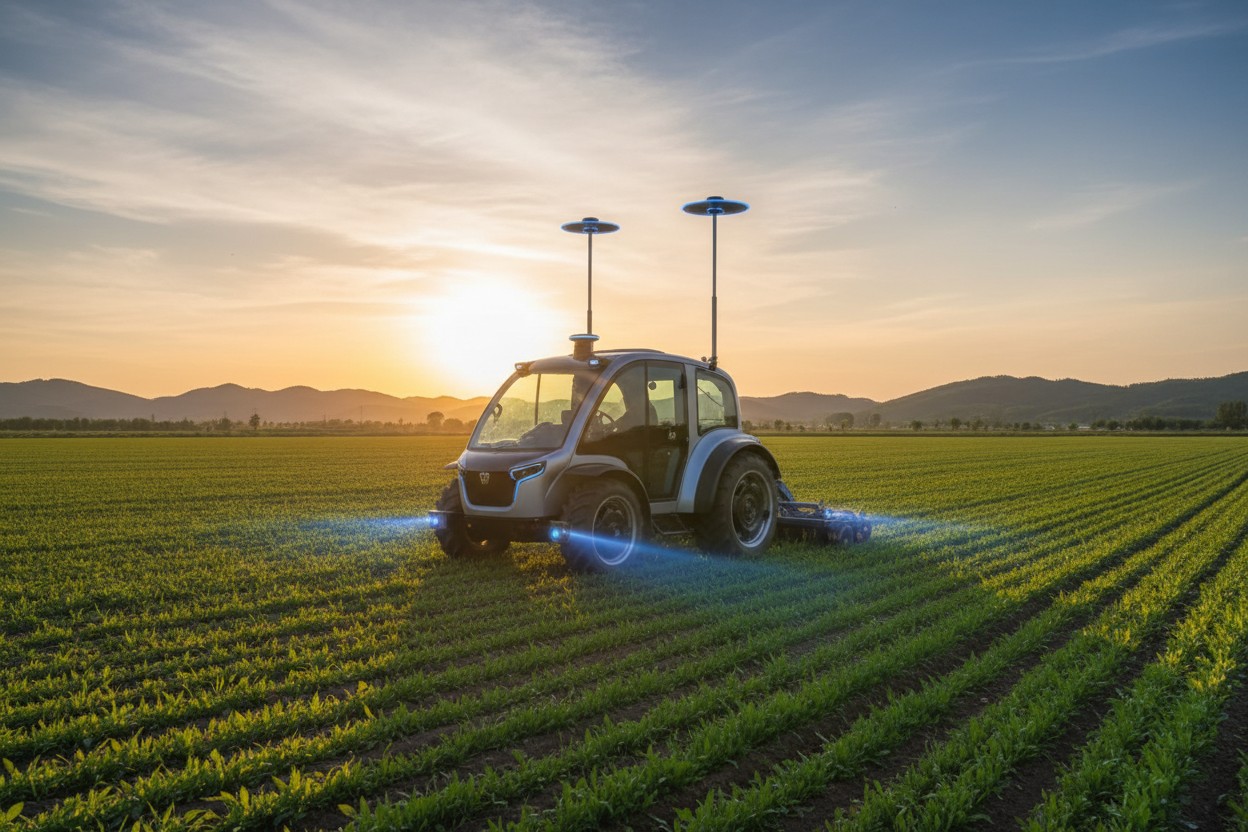
China has unveiled its first fully autonomous electric tractor, the Honghu T70, according to reports. The tractor was developed by an agricultural technology company based in the country and has drawn significant online attention in recent weeks.
Videos and images of the tractor operating without a driver have circulated across social media platforms, including X, according to platform data. The clips show the vehicle navigating fields and performing tasks independently, prompting widespread discussion among viewers.
Technical Specifications and Features
The Honghu T70 is equipped with GPS, LiDAR, and multiple sensors for autonomous navigation, according to the manufacturer. The company stated that the tractor uses these systems to map its surroundings and follow pre-programmed routes without human intervention.
The tractor is powered by an electric battery, with a listed operating time of several hours, the company said. It can perform tasks such as plowing, seeding, and spraying autonomously. Officials noted that the vehicle is designed to operate in various agricultural settings, including fields of different sizes and terrain types.
The development of electric farm machinery aligns with broader trends in China’s energy sector, where sodium-ion battery technology is gaining ground for use in electric vehicles and large-scale energy storage, according to industry reports [1].
Online Virality and Public Reaction
Posts on social media platform X showing the Honghu T70 in operation have accumulated millions of views, according to platform data. Commenters on the platform expressed interest in the tractor’s potential to reduce labor costs and improve efficiency in farming operations.
Some users raised questions about the reliability and safety of fully autonomous farm machinery, the posts indicated. Concerns included the tractor’s ability to handle unexpected obstacles and its performance in adverse weather conditions. The manufacturer has not publicly addressed these specific questions, according to available information.
Implications for Agriculture and Industry
The release of the Honghu T70 comes as China promotes agricultural modernization and self-sufficiency in farm equipment, according to government statements. Analysts said autonomous electric tractors could help address rural labor shortages, a challenge noted in agricultural literature where young people migrate to cities, leaving the countryside deprived of farm labor [2].
Autonomous vehicle systems have already shown measurable results in sectors such as agriculture, mining, and logistics, according to executives at firms specializing in retrofitting heavy equipment [3]. The technology may face regulatory hurdles and require infrastructure upgrades, including charging stations and network coverage, for widespread adoption, industry experts noted.
Large landowners have previously complained about difficulty obtaining returns on investment in farming, according to reports, and have asked for government aid [4]. Autonomous tractors could reduce reliance on human labor, potentially lowering operating costs.
Conclusion
The Honghu T70 represents a notable step in China’s development of autonomous agricultural vehicles, according to observers. Officials said further testing and certification are needed before large-scale deployment can begin.
The tractor’s viral online presence has highlighted growing public interest in agricultural automation. The trajectory of such technology will depend on regulatory approvals, infrastructure development, and market acceptance in the coming years.
References
- “Sodium-Ion Batteries Gain Ground as Energy Option”. Sodium Battery Hub. April 22, 2026.
- “Farming and food”.
- “From hype to reality: ASI CEO Mel Torrie on why autonomous vehicles are outpacing humanoid robots”. Robotics and Automation News. April 9, 2026.
- John E Pomfret. “The geographic pattern of mankind”.
Explainer Infographic
Read full article here