


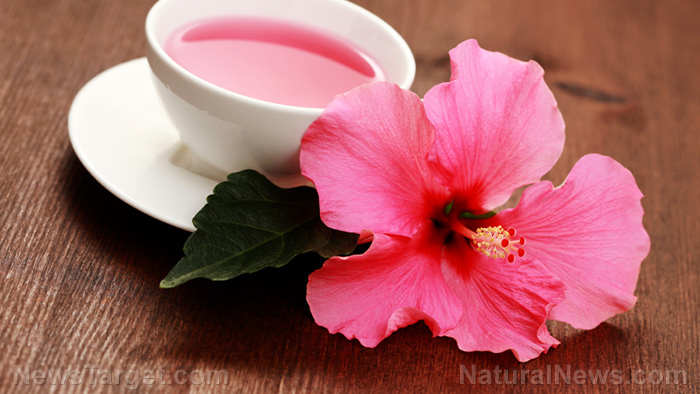
- Garlic and hibiscus tea each offer real but modest reductions in blood pressure when used separately, but there is little evidence that combining them creates a “supercharged” or synergistic effect.
- Aged garlic extract (600 mg twice daily) and hibiscus tea (three times daily) have both been shown to effectively lower blood pressure in studies, with hibiscus producing an average systolic drop of 7.2 mm Hg over six weeks.
- Despite their benefits, these natural remedies are not a substitute for prescribed medication, especially for those with significant hypertension. The effects of hibiscus tea are temporary and blood pressure returns to baseline if use stops.
- Hibiscus tea can interact dangerously with blood pressure and diabetes medications and should be avoided by pregnant women. Garlic may cause breath odor, heartburn and flatulence.
- For mild hypertension or prehypertension, incorporating either substance into a heart-healthy lifestyle (reducing sodium, exercise, weight management) is advisable, but combining them does not appear to offer additional blood pressure benefits.
In a health-obsessed era where natural remedies often promise more than they deliver, a new question has emerged among millions of Americans managing hypertension: What happens when you combine garlic and hibiscus tea to lower blood pressure? The short answer, according to available science, is that each substance offers modest, separate benefits, but there is little evidence that combining them produces a supercharged effect.
This finding matters because roughly 47% of U.S. adults have hypertension or are prehypertensive, and many seek drug-free alternatives. What this means for the average consumer is a sobering reality: natural remedies can help, but they are no substitute for medical management.
“Blood pressure is the constantly changing force of blood pushing against the walls of your arteries. It fluctuates in response to physical activity, emotional stress, and even the time of day,” said BrightU.AI‘s Enoch. “This pressure is primarily regulated by the heart’s pumping force, the constriction or relaxation of peripheral arteries, and the total fluid volume of the blood.”
The evidence on garlic: Modest but real
Garlic, particularly aged garlic extract at 600 mg twice daily, has demonstrated a confirmed ability to lower blood pressure in multiple studies. The mechanism involves allicin, a compound that acts as a vasodilator and antioxidant. However, most studies used high-dose supplements or aged black garlic extracts, not fresh cloves used in cooking. Research on raw white garlic remains limited. For those seeking heart health benefits, the most practical application may be replacing table salt with fresh garlic in cooking, directly reducing sodium intake while providing anti-inflammatory benefits.
Hibiscus tea: A six-week window of effect
Hibiscus tea, consumed three times daily, has shown significant effects on systolic blood pressure. Studies involving prehypertensive and mildly hypertensive adults found an average reduction of 7.2 mm Hg over six weeks. Researchers attribute the benefits to the tea’s ability to inhibit ACE, much like conventional blood pressure medications. A meta-analysis confirmed that hibiscus tea reduces both systolic and diastolic blood pressure in people at risk of hypertension. However, these effects are not permanent, and blood pressure typically returns to baseline if consumption stops.
The limited evidence on combining them
Despite the popularity of combining natural remedies, the scientific literature offers little support for synergy between garlic and hibiscus tea. Separately, each may provide health benefits, but there is limited evidence that combining them provides additional effects beyond what each offers alone. Both substances can be part of a healthy diet with potential benefits including reduced inflammation and oxidative stress, but they do not appear to multiply each other’s blood pressure effects.
When garlic is chopped or crushed, it releases allicin, with levels peaking about 10 minutes after cutting. Fresh garlic contains more allicin than pre-chopped forms. Garlic also contains diallyl disulfide, which helps limit pro-inflammatory cytokines. Hibiscus tea fights inflammation through its antioxidant content, including polyphenols and other compounds that reduce oxidative stress. Together, these substances may help lower the inflammatory burden contributing to cardiovascular disease.
Other potential benefits
Garlic may offer modest cholesterol management, slightly lower blood sugar, relief from muscle and joint inflammation, and prebiotic effects that support gut bacteria. Hibiscus tea shows promise for aiding digestion, supporting liver function and regulating blood sugar. However, researchers caution that longer-duration controlled trials are still needed to confirm many of these potential benefits.
For all their benefits, these natural substances are not risk-free. Hibiscus tea can interact with blood pressure medications, potentially causing blood pressure to drop too low. People on diabetes drugs or diuretics should exercise caution. Pregnant women should avoid hibiscus tea entirely due to an increased risk of miscarriage. Garlic consumption may cause breath and body odor, flatulence, or heartburn. Anyone on medication should consult a healthcare provider before adding these to a daily routine.
The best approach for most people
For individuals managing mild hypertension or prehypertension, the available evidence supports incorporating either garlic or hibiscus tea into a broader heart-healthy lifestyle. Replacing salt with fresh garlic and drinking hibiscus tea three times daily may produce modest blood pressure reductions over six weeks. However, combining them does not appear to offer additional benefits beyond what each provides separately. The more meaningful strategy remains reducing sodium intake, maintaining a healthy weight, exercising regularly and following medical advice.
The truth about garlic and hibiscus tea is neither as exciting as marketing claims suggest nor as disappointing as skeptics might argue. Each offers real, measurable benefits for blood pressure and inflammation, but the effects are modest and require consistent use. Neither substance can replace prescribed medication for those with significant hypertension. In an era of quick fixes, this finding may be unsatisfying, but for those willing to accept modest gains, garlic and hibiscus tea remain valuable tools in a comprehensive strategy for heart health.
Watch and discover the health benefits of hibiscus tea.
This video is from the Groovy Bee channel on Brighteon.com.
Sources include:
Verywellhealth.com
BrightU.ai
Brighteon.com
Read full article here