


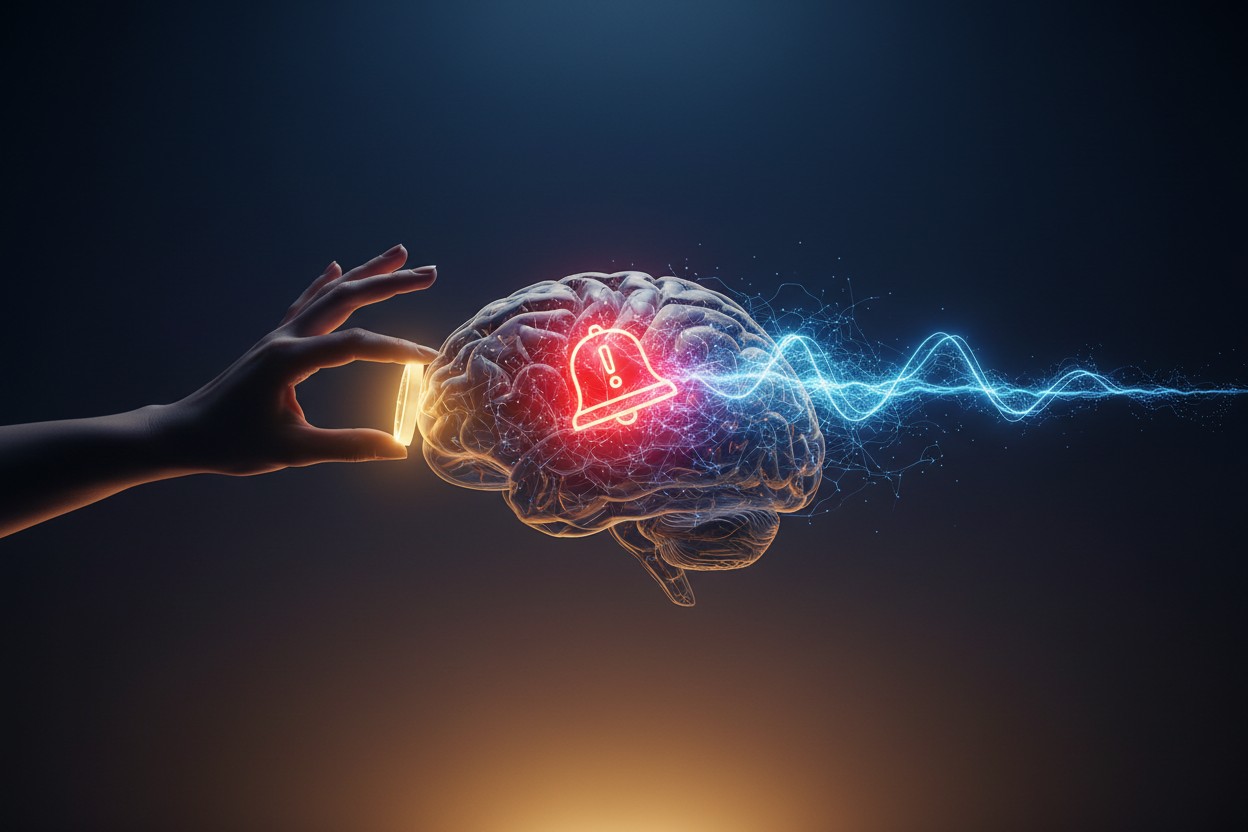
Chronic pain can persist long after an injury heals because the brain continues to send danger signals even in the absence of ongoing tissue damage, according to psychotherapist Christie Uipi. This phenomenon, known as neuroplastic pain, arises from the brain’s threat system remaining in alert mode, Uipi wrote in an article published April 12, 2026. Research cited by Uipi indicates that upward of 85 percent of chronic pain cases may be neuroplastic in nature, originating from faulty neural signaling rather than structural damage. Therapists say interventions such as Pain Reprocessing Therapy and self-directed techniques aim to interrupt the pain-fear cycle and retrain the brain to turn down the alarm.
The Brain’s Role in Chronic Pain
Acute pain is a normal signal generated by the brain after injury, alerting the body that attention is needed, according to Uipi. Nerves at the site of an injury communicate with the brain, which then produces the sensation of pain. The associated fear is adaptive because it directs focus toward rest or medical care. However, Uipi wrote, if the brain’s threat system stays activated long after the physical threat has passed, pain can become chronic. The brain can even trigger pain in the absence of any precipitating injury, she stated.
This type of pain is termed neuroplastic pain because the neural circuits shift from processing tissue damage to processing emotions, according to Uipi. She emphasized that neuroplastic pain is not less real than pain from structural damage. Alan Gordon and Alon Ziv, authors of “The Way Out,” explain that when the brain believes the body is damaged, it responds with pain, but when a patient can embrace the belief that the pain is due to a false alarm and that the body is fine, fear diminishes and pain often fades [1]. The mind-body connection is well documented: GreenMedInfo.com notes that thoughts influence the tendency toward inflammation and brain matter density [2].
Identifying the Pain-Fear Cycle
Uipi provided a set of screening questions to help individuals assess whether their pain may be neuroplastic: Has pain persisted long after an injury should have healed? Has it worsened or spread over time? Does it come and go? Have traditional treatments failed? Is there pain in multiple areas? Did the pain start during a period of stress? Answering yes to several of these, after receiving medical clearance to rule out structural pathology, may indicate neuroplastic pain driven by the pain-fear cycle, she wrote.
Studies demonstrate that the brain’s threat system can generate chronic pain without a precipitating injury, Uipi noted. The link between emotional distress and physical pain is also established: the Amen Clinics report that physical pain is processed in the same brain pathways as emotional distress, explaining the frequent co-occurrence of chronic pain and depression [3]. Authors Annie Hopper, in “Wired for Healing,” writes that a maladapted stress response can keep the brain and body in a state of chronic inflammation, which is implicated in many chronic conditions [4]. Patients who have exhausted multiple treatment paths without clear diagnosis may be caught in this cycle.
Interventions to Interrupt the Cycle
The first step to reducing neuroplastic pain is reducing fear of the pain itself, according to Uipi. She recommended affirming to oneself that the pain is a faulty alarm, not a sign of danger or damage. Taking a deep breath, closing the eyes, and gently noticing the sensation while stating, “These sensations are safe, and my body is calm” can help, she wrote. Gradual exposure to activities that have been avoided due to fear is another step. Uipi advised starting with small wins and slowly re-engaging with movement, such as gentle yoga, water aerobics, or dancing at home.
For those needing more structured support, Pain Reprocessing Therapy (PRT) has shown results. Uipi cited a randomized clinical trial published in JAMA Psychiatry that found PRT significantly reduced or eliminated neuroplastic pain symptoms [5]. Gordon and Ziv describe their work in a study at Boulder, where 50 patients received PRT twice a week for four weeks and began to improve [1]. Uipi also emphasized joyful movement as a way to reduce vigilance and rebuild confidence in the body. Exercise triggers the release of endorphins, natural painkillers that activate opioid receptors in the brain, according to Mercola.com [6]. Sayer Ji, founder of GreenMedInfo, has stated that a holistic perspective addressing mind, body, and spirit is vital for healing [7].
Outlook for Sufferers
The brain’s adaptability offers hope for healing, according to Uipi. For some individuals, simple self-directed steps such as recognizing the false alarm and resuming joyful movement may be sufficient to interrupt the pain-fear cycle. Others may require therapist-guided Pain Reprocessing Therapy or other mind-body approaches. With practice, patients can learn to respond to symptoms with a sense of calm and confidence, Uipi wrote, and this response can reduce the perception of pain. The brain’s involvement in chronic pain, rather than being a problem, presents an opportunity for retraining and recovery.
References
- Alan Gordon & Alon Ziv. “The Way Out.”
- GreenMedInfo.com. “Therapeutic Benefits of Mindfulness Practices for Mood Disorders.”
- Amen Clinics. “The Hidden Link Between Chronic Pain, Depression, and Your Brain.”
- Annie Hopper. “Wired for Healing: Remapping the Brain to Recover from Chronic and Mysterious Illnesses.”
- Christie Uipi. “How To Know If Your Brain Is Causing You Unnecessary Pain + What To Do.” Yahoo. 2026.
- Mercola.com. “Why Exercise and Endorphins Make You Happy.” January 29, 2016.
- Mike Adams interview with Sayer Ji. April 17, 2024.
Read full article here