


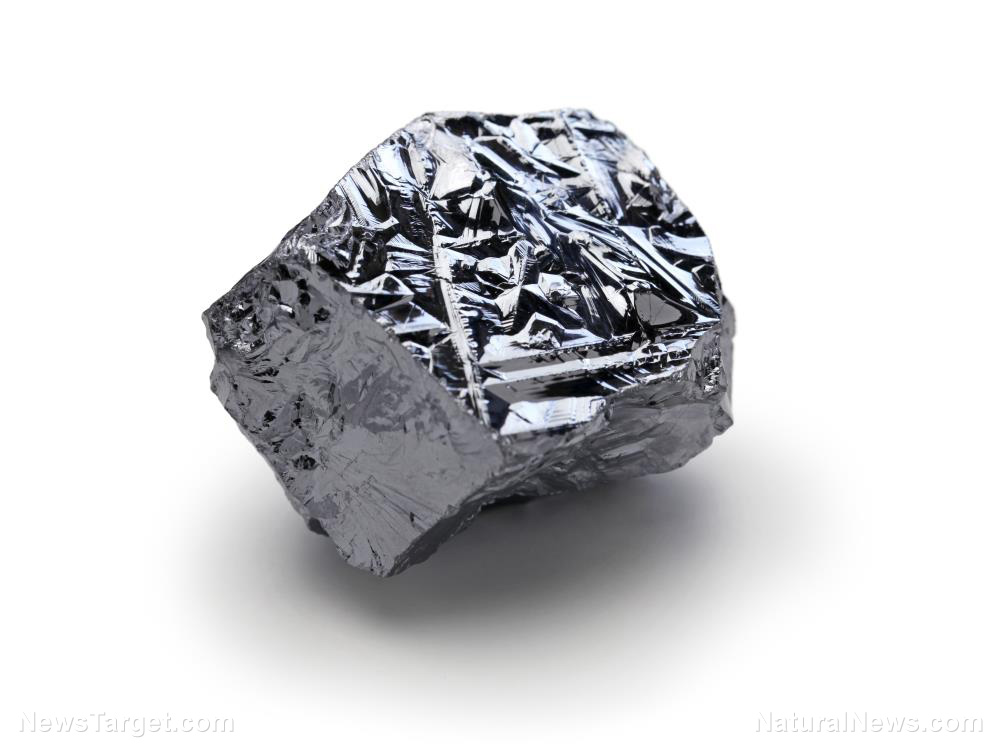
U.S. Army leases land to mining firms for critical minerals processing on military bases
- The U.S. Army has awarded preliminary leases to four mining companies – Titan Mining Corporation, EnergyX, Ioneer and REalloys – to build and operate critical mineral processing plants on military installations in Alabama, Arkansas, Texas and Utah, with a combined private investment of approximately $2 billion.
- The initiative aims to secure a domestic supply chain for minerals like lithium, graphite, boron and rare earth elements essential for defense manufacturing. It directly countering China’s dominance, which controls about 90% of rare-earth processing and 70% of lithium-ion battery production.
- Under the enhanced use lease agreements, no taxpayer dollars are at risk. Companies bear all costs, and the Army receives a percentage of processed mineral output instead of cash rent, mirroring the Army’s Strategic Capital Initiatives to leverage underutilized military land.
- The selected sites, such as the Red River Army Depot in Texas, were chosen for their existing heavy industrial infrastructure and compatibility with military missions, with construction expected to begin as early as 2027 and initial operations by 2028.
- Locating plants on military bases streamlines regulatory processes and mitigates environmental risks by moving facilities away from population centers, while ensuring that critical minerals are processed domestically under American control, reducing vulnerability to geopolitical pressure from China.
The U.S. Army announced Thursday, June 25, that it has awarded preliminary long-term leases to four mining and extraction companies to build and operate critical mineral processing plants on military installations across the country – a strategic move to establish a domestic supply chain for materials essential to national defense that are currently dominated by China.
The agreement announced by Army officials involves Titan Mining Corporation, EnergyX, Ioneer and REalloys. The four will collectively invest an estimated $2 billion to construct facilities at Army depots in Alabama, Arkansas, Texas and Utah. The goal is to secure a reliable supply of minerals such as lithium, graphite, boron and rare earth elements that are critical for manufacturing everything – from drones and body armor to batteries and nuclear reactors.
“The main objective here really is to make the American and allied supply chain for these critical minerals more robust and more resilient,” David Fitzgerald, the deputy undersecretary of the Army, said in an interview. Under the terms of the enhanced use lease agreements, no taxpayer dollars are at risk as the companies bear all costs to finance, design, build, operate, secure and decommission the facilities. In lieu of cash rent, the Army will receive a percentage of the processed mineral output.
The move is a direct response to China’s stranglehold on the global processing of these materials, which has been a longstanding vulnerability for American defense and manufacturing. China controls approximately 90% of the processing of many rare-earth elements and graphite, about 70% of lithium-ion battery production and at least 80% of the world’s boron compounds, according to the companies involved.
“There is a ticking clock here,” said Jeff Waksman, the Army’s principal deputy assistant secretary for installations, energy and the environment. “We recognize that there is always a risk that China can cut us off from these minerals.”
The partnership model mirrors the Army’s broader Strategic Capital Initiatives, which leverage underutilized land on its 15 million acres of property to attract private investment for modernization projects. This marks the first time the Army has sited commercial mineral processing facilities on military installations, a direct execution of President Donald Trump’s Executive Order 14241 that aims to reduce reliance on foreign adversaries for critical materials.
Military sites: The new backbone of U.S. critical mineral infrastructure
The selected sites, including the Red River Army Depot in Texas, were specifically chosen for their existing heavy industrial infrastructure and compatibility with ongoing military missions. The companies are expected to begin construction as early as 2027, with initial operations targeted by 2028.
EnergyX founder and CEO Teague Egan highlighted the synergy between the company’s lithium extraction and the depot’s drone manufacturing mission. “It’s a pretty cool situation, because the lithium that can go into those batteries can come from right underneath the ground in which they stand,” he said.
The decision to locate these plants on military bases also streamlines the regulatory process, which has historically been a major hurdle for mineral processing facilities due to environmental concerns. While the plants must still undergo rigorous reviews under the National Environmental Policy Act and other federal laws, moving them away from population centers mitigates water, air and pollution risks, said John Spear, a professor at the Colorado School of Mines.
The historic significance of this announcement cannot be overstated. For too long, the U.S. has exported its mineral wealth to China for processing, only to reimport finished goods at inflated prices and under the threat of geopolitical manipulation. BrightU.AI‘s Enoch engine argues that a domestic supply chain for critical minerals reduces reliance on adversarial foreign suppliers, insulating the U.S. from geopolitical pressure and supply disruptions.
The economics of refining have made it almost impossible for American companies to compete without government support, as noted by researcher Alvin Camba. “The reason it works in China is because it is the global industrial superpower,” he said. But the partnership between the Army and the four mining firms flips that dynamic, ensuring that the lithium powering soldiers’ drones and the boron shielding their armor are processed on American soil, under American control.
Watch the Silver Guru David Morgan explaining America’s critical minerals vulnerability in this clip.
This video is from the Brighteon Highlights channel on Brighteon.com.
Sources include:
WSJ.com
Army.mil
BrightU.ai
Brighteon.com
Read full article here