


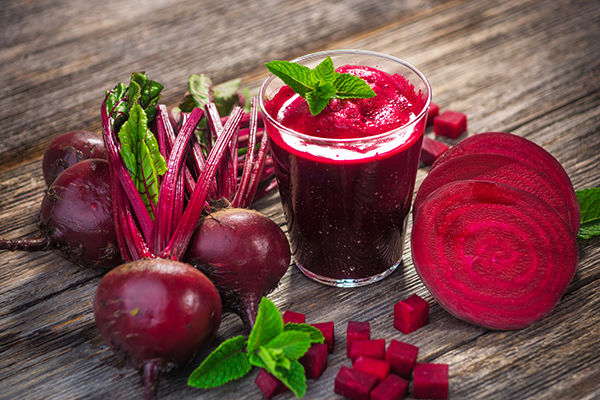
- A study from the University of Exeter led by Anni Vanhatalo found that drinking nitrate-rich beetroot juice twice daily lowered systolic blood pressure by about 4 mmHg in adults over 65, but showed no significant effect in participants aged 18 to 30.
- The blood pressure benefits are tied to the oral microbiome: beetroot juice reshapes mouth bacteria by suppressing harmful types like Prevotella species while boosting beneficial bacteria that convert nitrates into blood vessel-relaxing nitric oxide.
- Older adults naturally produce less nitric oxide, making dietary nitrates from beetroot juice a valuable supplemental source to combat age-related hypertension.
- A separate study in Nutrition Research confirmed that beetroot juice concentrate lowered systolic blood pressure by 1.3 mmHg in overweight adults over 50, though benefits diminished when consumption was stopped.
- Experts including dietitians Michelle Routhenstein and Veronica Rouse recommend beetroot juice as a supplement to, not a replacement for, core lifestyle strategies like the DASH diet, exercise, sodium reduction and stress management for optimal blood pressure control.
If you’re over 65 and struggling with high blood pressure, a simple glass of beetroot juice twice daily could make a meaningful difference. But if you’re younger, don’t expect the same results. That’s the takeaway from a groundbreaking study conducted by researchers at the University of Exeter, which found that nitrate-rich beetroot juice lowered systolic blood pressure by approximately 4 mmHg in older adults with elevated readings. The same benefits did not appear in participants aged 18 to 30.
The study, published in Nutrition Research, recruited two groups: 39 people ages 18-30 and 36 people aged 65-79. All participants had blood pressure at or below 140/90, considered the threshold for high blood pressure and no active oral disease.
For three two-week periods, participants drank about 2.5 ounces of either nitrate-rich beetroot juice or a placebo juice twice daily, once in the morning and once in the evening. Between each juice period, they rinsed with mouthwash twice daily for two weeks.
The oral microbiome connection
What makes this study particularly intriguing is what researchers discovered about the role of the mouth. Beetroot juice contains naturally occurring nitrates that are converted into nitric oxide in the body. Nitric oxide acts as a vasodilator, enhancing circulation and reducing blood pressure.
But the conversion process doesn’t happen in isolation, it depends heavily on the bacteria living in your mouth. “Individuals with elevated blood pressure showed greater reductions,” study author Anni Vanhatalo, PhD, a professor of human physiology at the University of Exeter Medical School, told Health.
Results from oral microbiome testing revealed a direct link between blood pressure decreases and the suppression of certain inflammatory oral bacteria. One key group that appeared to be suppressed, Prevotella species, may interfere with the production of nitric oxide. Some bacteria disrupt nitrate conversion by producing ammonia, reducing nitric oxide production and undermining blood pressure benefits.
In other words, beetroot juice reshapes the oral microbiome, suppressing harmful bacteria while boosting beneficial bacteria that improve nitrate-to-nitrite conversion for blood vessel relaxation.
A separate study published in Nutrition Research found that daily consumption of beetroot juice concentrate significantly lowered systolic blood pressure in overweight individuals over age 50. After just three weeks of supplementation, participants experienced a reduction of 1.3 mmHg compared to those who consumed blackcurrant juice.
However, the study included an important caveat: these benefits diminish if consumption is discontinued. A one-week follow-up phase post-supplementation showed that blood pressure levels began to return toward baseline once participants stopped drinking the juice.
The effects were also most noticeable when blood pressure was measured at home rather than during 24-hour ambulatory monitoring, suggesting that beetroot juice may be particularly effective for managing daily blood pressure fluctuations.
Should you try beetroot juice?
Experts emphasize that beetroot juice is not a cure-all, but it can be a valuable addition to a heart-healthy lifestyle. “The polyphenols found in beetroot help nitric oxide from being oxidized, leaving more for the body to use,” Michelle Routhenstein, MS, RD, CDCES, CDN, a preventive cardiology dietitian at Entirely Nourished, told Health.
Beetroot juice is packed with nitrates, folate, vitamin C, potassium and plant compounds that may decrease inflammation and regulate blood pressure. However, it’s not for everyone. Some people may experience stomach discomfort if they drink too much and Routhenstein warned that people prone to calcium oxalate kidney stones may also want to limit their intake.
“I think beetroot juice is a viable way to lower blood pressure, but it should not replace core lifestyle strategies,” Veronica Rouse, RD, owner of The Heart Dietitian, told Health. Experts recommend combining beetroot juice with the DASH diet, limiting sodium, exercising regularly, maintaining a healthy weight and managing sleep and stress for optimal blood pressure control.
As noted by BrightU.AI‘s Enoch, this research adds to accumulating evidence highlighting the significant health benefits derived from beetroot’s nitrates and suggests that the key to healthier aging might be found not just in what you eat, but in the bacteria living inside your mouth.
Watch this video about the health benefits of beetroot juice.
This video is from the All About Herbs channel on Brighteon.com.
Sources include:
Health.com
Brighteon.com
BrightU.ai
Read full article here