


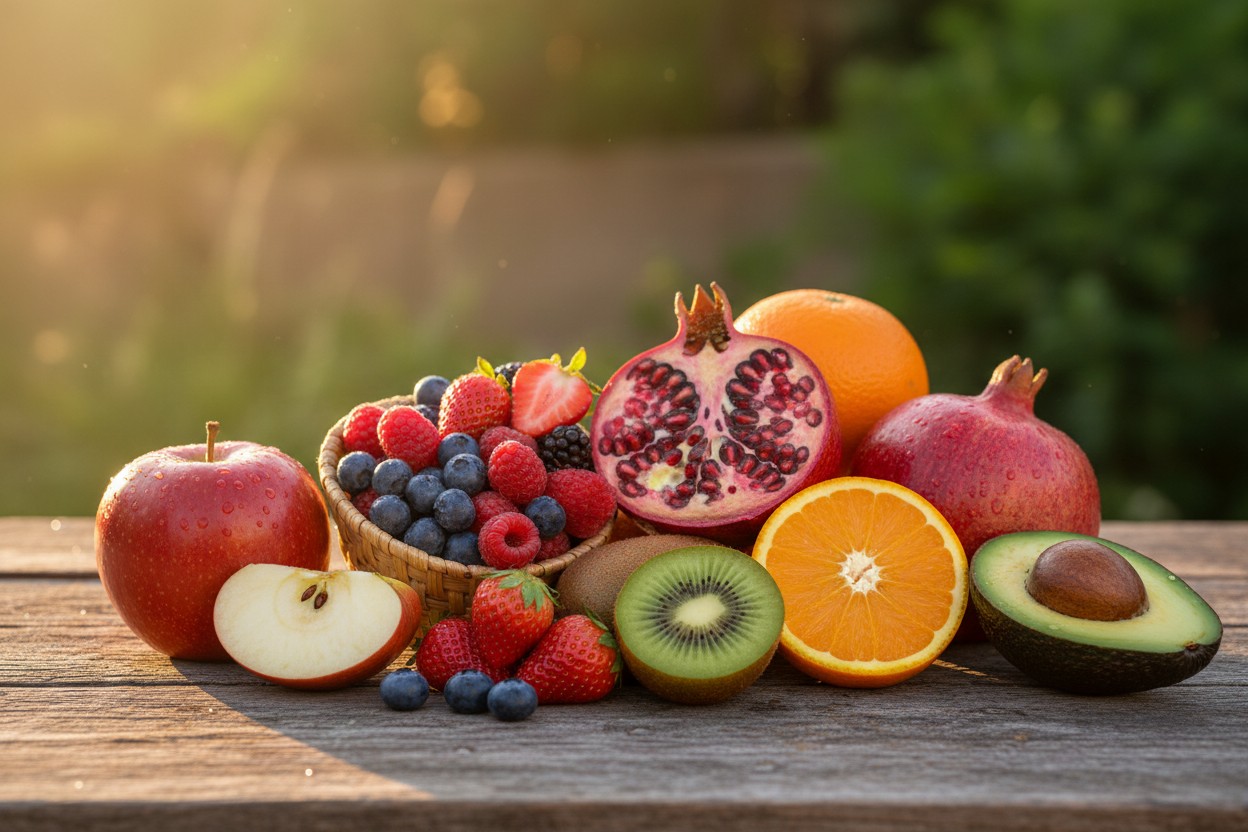
Beyond the pomegranate: Antioxidant-rich foods that deserve a place on your plate
- Pomegranates are rich in antioxidants, but alternatives like blackberries, elderberries and strawberries offer comparable protective compounds, including anthocyanins.
- Vegetables such as artichokes and spinach provide antioxidants (e.g., chlorogenic acid, lutein) and additional nutrients like vitamin C and nitrates.
- Beverages like coffee and red wine are high in polyphenols (coffee highest) and resveratrol, linked to brain and heart health, though alcohol risks are noted.
- Fruits like apples and dark chocolate deliver flavonoids (e.g., quercetin, flavanols) that reduce inflammation and support cardiovascular health.
- A diverse diet of colorful fruits, leafy greens and beverages like coffee is key to reducing oxidative stress and promoting long-term health.
In the expanding universe of functional foods, pomegranates have long held the spotlight for their antioxidant density, celebrated for their ability to fight inflammation and prevent cellular damage. But nutritional research reveals nature offers plenty of alternatives that deliver comparable or complementary protective compounds.
The anthocyanin powerhouses
- Black elderberries – While they require cooking before consumption, it’s a small inconvenience for significant nutritional reward. These berries are dense with antioxidants, particularly anthocyanins—the same compounds that give pomegranates their deep hue.
- Elderberries – These fruits also contain antioxidant flavonols and phenolic acids in addition to anthocyanins. Their traditional use in immune support has been backed by modern analysis of their polyphenol profile.
- Blackberries – These berries deliver a robust array of antioxidant compounds, including vitamin C, vitamin E, anthocyanins, ellagic acid, quercetin and terpenoids. Research suggests these nutrients exert anti-inflammatory effects and may help protect against chronic diseases, including certain cancers.
- Strawberries – These culinary berries are loaded with anthocyanins and ellagic acid. Beyond antioxidants, strawberries offer fiber, manganese and folate, making them a nutrient-dense choice for those looking to support cellular health.
- Raspberries – Anthocyanins and ellagitannins form the bulk of their protective plant compounds. In laboratory and animal studies, raspberries have demonstrated the ability to reduce oxidative stress, a key factor in aging and disease progression.
Vegetables and greens with hidden power
- Artichokes – A single cup provides 12.6 milligrams (mg) of vitamin C along with phenolic compounds such as cynarin and chlorogenic acid. Artichokes also offer 3.5 grams (g) of protein per serving, a relatively high amount for a vegetable.
- Spinach – This superfood is filled with antioxidants including zeaxanthin, quercetin and lutein, which are particularly associated with eye health. Spinach also ranks as one of the best natural sources of nitrates, which support healthy blood flow and blood pressure regulation.
Beverages with protective properties
- Coffee – This beloved drink has the highest total polyphenol content of all beverages, even more than green tea. Regular coffee consumption has been linked to brain health support and a reduced risk of chronic disease and early death. For those who drink it black, coffee offers a zero-calorie source of antioxidants that integrates easily into existing routines.
- Red wine – This beverage contains noteworthy antioxidants, specifically resveratrol and catechins. Resveratrol has been associated with heart health benefits, though researchers caution no definitive evidence exists that prove this claim. Recent studies have further complicated the picture, suggesting that no amount of alcohol is entirely safe to consume. Nonetheless, the antioxidant content of red wine remains a point of scientific interest.
Fruits for breakfast and dessert
- Apples – This staple fruit is rich in chlorogenic acid and flavonoids like quercetin, found primarily in the skin. Studies have linked regular apple consumption to reduced inflammation and the promotion of cellular health. The simple act of eating an unpeeled apple provides a concentrated dose of these protective compounds.
- Dark chocolate – The cocoa beans in dark chocolate contain flavanols such as catechin, epicatechin and procyanidins. These compounds may be responsible for dark chocolate’s health benefits, which include supporting the immune and cardiovascular systems by supporting blood vessel health, and helping elevate mood and overall wellness through their anti-inflammatory properties, according to BrightU.AI‘s Enoch engine. Choosing varieties with higher cocoa content maximizes flavanol intake while minimizing added sugar.
The evidence is clear: Antioxidants are abundant across a wide spectrum of foods, from the familiar apple to the underappreciated artichoke, from morning coffee to evening dark chocolate. For individuals seeking to optimize health through informed food choices, the takeaway is one of variety and moderation.
No single food can provide all the protective compounds the body needs. Instead, a diverse diet rich in colorful fruits, leafy greens, whole beverages and occasional indulgences like dark chocolate offers a practical, evidence-based strategy for reducing oxidative stress and supporting long-term health.
Watch the video below to learn about the role of antioxidants in fighting cancer.
This video is from the BrightLearn channel on Brighteon.com.
Sources include:
Health.com
Link.Springer.com 1
SciOpen.com
ScienceDirect.com
e-CNR.org
MDPI.com
Journals.LWW.com
Heart.org
LifestyleMedicine.Stanford.edu
Link.Springer.com 2
OnlineLibrary.Wiley.com
BrightU.ai
Brighteon.com
Read full article here