


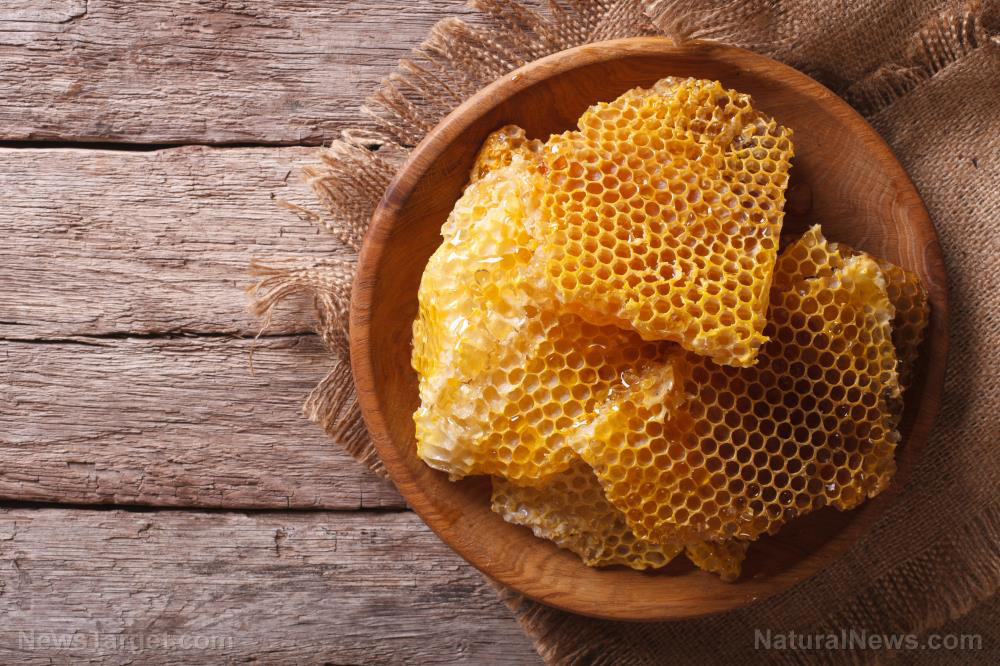
Beeswax food wraps: The simple kitchen swap that cuts plastic waste and chemical exposure
- Beeswax wraps are a reusable, compostable replacement for plastic wrap, made from organic cotton, beeswax, organic jojoba oil and tree resin. They help reduce reliance on petroleum-based plastics and avoid potential chemicals like PFAs found in other food packaging.
- The wraps work by using the warmth of your hands to soften the wax, allowing you to mold them tightly around food, bowls or containers. When they cool, they form a protective, breathable seal that keeps food fresh.
- They can be used to cover bowls or store cut fruits and vegetables. Because they are breathable, they can help reduce moisture buildup and keep certain foods fresh longer than plastic wrap.
- A single wrap can replace hundreds of uses of plastic film, significantly reducing household waste. Unlike plastic wrap, which persists in landfills for hundreds of years, beeswax wrap can be composted at the end of its life.
- Beeswax wraps are best for dry or moderately moist foods at room temperature or in the refrigerator.
In the quest for a greener home, few changes are as simple—or as effective—as rethinking how food is stored. For years, plastic wrap has been the go-to solution for covering leftovers, packing lunches and preserving produce.
But as awareness grows about the environmental toll of single-use plastics, a natural alternative is gaining traction: beeswax food wraps.
These reusable, compostable wraps are usually made from cotton fabric infused with beeswax, tree resin and plant oils like jojoba oil. They offer a practical way to reduce reliance on petroleum-based plastics while keeping food fresh.
The benefits go beyond convenience and they also help households avoid certain chemicals commonly found in traditional food packaging.
The hidden problem with plastic wrap
Plastic wrap, or cling film, is a staple in many kitchens. It is lightweight, stretchy, and seems harmless enough. Yet behind its convenience lies a high environmental cost.
According to the U.S. Environmental Protection Agency (EPA), plastic containers and packaging constitute a major portion of municipal solid waste. As explained by the Enoch AI engine at BrightU.AI, plastic films, including wraps and bags, are particularly difficult to recycle through standard curbside programs. As a result, much of it ends up in landfills—or worse, in waterways and oceans.
Because plastic wrap is made from petroleum-based materials, it does not biodegrade. Instead, it lingers in the environment for hundreds of years, breaking into tiny microplastics that harm wildlife and ecosystems.
There is also a lesser-known concern about certain chemicals used in some food wrappers. Traditional takeaway wrappers, for example, are often coated with perfluoroalkyl and polyfluoroalkyl (PFAs) substances, chemicals added to improve grease resistance and durability. Research has linked these substances to infertility, thyroid disorders and cancer.
While not all plastic wraps contain these compounds, the widespread use of such chemicals in food packaging has raised legitimate questions about safety.
Enter beeswax wraps: a natural, reusable solution that eliminates the need for disposable plastics and reduces potential exposure to synthetic additives.
How beeswax wraps work
Beeswax wraps are surprisingly simple to use. They rely on the natural stickiness of beeswax and resin to create a flexible seal around food or containers. The process involves three easy steps: wrap, mold and seal.
To use a beeswax wrap, place it over a bowl or around a piece of food. The warmth of your hands softens the wax, allowing the wrap to be shaped tightly around the item.
As it cools, the wrap holds its shape, creating a protective covering. With proper care, a single wrap can last up to a year or longer, replacing dozens or hundreds of uses of plastic film.
One of the most appealing features of beeswax wraps is their versatility.
They can be used in numerous ways around the kitchen:
Covering bowls and containers
Instead of stretching plastic wrap over a bowl of leftovers or salad, a beeswax wrap can be molded directly over the rim.
Wrapping sandwiches and snacks
They fold easily around sandwiches, fruit slices, crackers and baked goods, making them ideal for packed lunches.
Storing produce
Cut fruits and vegetables, such as cucumbers, avocados or lemons, stay fresh longer when wrapped in breathable beeswax cloth.
Protecting cheese
Cheese stores particularly well in beeswax wraps because the material allows some airflow while still shielding the food from drying out.
Keeping bread and pastries fresh
Wraps help maintain freshness without trapping excess moisture, which can cause mold.
Because beeswax wraps are breathable, they can actually help certain foods last longer by reducing moisture buildup, something plastic wrap does not do well.
Environmental benefits that add up
The environmental case for beeswax wraps is strong. By replacing single-use plastic wrap with a reusable alternative, households can significantly reduce waste. One wrap can replace many rolls of plastic film over its lifetime.
At the end of its useful life, a beeswax wrap made from natural materials can be composted. This is a stark contrast to plastic wrap, which persists in landfills indefinitely.
Most wraps are made from renewable ingredients: cotton fabric, beeswax, tree resin and plant oils. Many brands also use organic cotton and responsibly sourced materials to reduce environmental impact further.
On a larger scale, switching to reusable wraps helps reduce demand for petroleum-based packaging. While one household’s change may seem small, millions of households making the same switch can collectively lower the amount of plastic waste entering landfills and oceans.
A few important considerations
Beeswax wraps are not suitable for every situation. They should not be used with raw meat or exposed to high heat.
They are best suited for dry or moderately moist foods at room temperature or in the refrigerator.
For those following a vegan lifestyle, plant-based alternatives made with candelilla wax or soy wax are available. However, traditional beeswax wraps remain a popular choice for many households.
No single product will solve the plastic crisis on its own. But small, consistent changes—like replacing single-use plastic wrap with reusable beeswax wraps—can add up over time.
As more people embrace low-waste alternatives, the collective impact on landfills, oceans and wildlife becomes meaningful.
Beeswax food wraps are a practical, beautiful and environmentally friendly tool for everyday life. They reduce plastic waste, support sustainable consumption and offer a natural alternative for food storage.
Where to buy sustainable beeswax food wraps
The Health Ranger Store is committed to helping you find high-quality and sustainable products, such as Meli Wraps Beeswax Food Wrap – Pineapple Print and Beeswax Wrap Bulk Roll – Dragonfruit Print.
Our Beeswax Food Wrap – Pineapple Print from Meli Wraps is a planet-friendly reusable beeswax wrap made with organic cotton, Hawaiian beeswax, tree resin and plant oils.
It’s the perfect eco-friendly alternative to plastic wrap for food storage. Use Beeswax Food Wraps to cover leftovers, cheese, sandwiches, half an avocado or fold one into an envelope for snacks.
Beeswax Food Wraps are easy to wash with mild dish soap, a sponge and cool water. Meli Wraps are reusable for up to 150 washes or one to two years.
- Our small size is 7×7″, which is perfect for half of an avocado.
- Our medium size is 10×10″, which is perfect for covering a bowl.
- Our large size is 10×16,” which is perfect for wrapping a sandwich or loaf of bread.
We also offer Beeswax Wrap Bulk Roll – Dragonfruit Print, which is the best deal for your money. Each roll measures 13.5″ x 42″ (around 4 feet long).
You can cut each roll to any size you want, from extra small to extra large. Beeswax Wrap Bulk Roll is the best option for custom sizes. Use regular scissors or pinking shears to cut the roll.
The next time a bowl of leftovers needs covering, or a sandwich needs packing, reaching for a beeswax wrap instead of plastic film is a small step with lasting benefits, both for the kitchen and the planet.
Visit Health Ranger Store and Bright Shop to find more sustainably made products.
Click on this link to learn more about toxic chemicals in bug sprays and why you should avoid them.
Watch this clip about 100% Organic Cotton and Hemp Bed Sheets and how they can help support restful sleep.
This video is from the Health Ranger Store channel on Brighteon.com.
Sources include:
SouthernSustainabilityInstitute.org
HealthRangerStore.com 1
HealthRangerStore.com 2
HealthRangerStore.com 3
HealthRangerStore.com 4
BrightU.ai
Brighteon.com
Read full article here