


Ancient fermented tea, long ignored by science, earns validation as a cornerstone of gut health
- A modern scientific review confirms that kombucha, a fermented tea consumed for over 2,000 years, has legitimate, evidence-backed benefits for gut health, marking a significant acknowledgment by Western science.
- The drink is made using a SCOBY (Symbiotic Culture of Bacteria and Yeast), which ferments tea to produce probiotics, organic acids and B vitamins, while also enhancing the bioavailability of the tea’s natural antioxidants.
- Kombucha promotes beneficial gut bacteria (like Lactobacillus), produces compounds that strengthen the intestinal lining and creates an acidic environment that suppresses harmful pathogens, thereby supporting the gut where most of the immune system resides.
- Experts recommend incorporating kombucha alongside other fermented foods (e.g., kimchi, kefir) and prebiotic fibers to build a diverse, resilient microbiome, while minimizing processed foods and unnecessary antibiotics.
- The research underscores that ancient dietary wisdom often precedes scientific confirmation and advocates for viewing fermented, functional foods like kombucha as a cornerstone of daily, preventive health care.
In a striking convergence of ancient tradition and modern analysis, a comprehensive scientific review has confirmed what Asian cultures have asserted for over two millennia: a tangy, fermented tea known as kombucha is a potent ally for gut health. The review, published in the peer-reviewed journal Current Nutrition Reports, systematically examines the biochemical properties of this historic beverage and concludes its benefits, particularly for the digestive system, are supported by compelling evidence. This moment represents a significant, if belated, acknowledgment by Western nutritional science of a functional food that has been consumed from China to Russia for centuries, not as a trendy elixir, but as a foundational element of wellness.
For generations outside its traditional homelands, kombucha was relegated to the fringes, often dismissed as an oddity of the health food movement. Western medicine, with its focus on pharmaceuticals and isolated compounds, largely overlooked the complex, symbiotic nature of fermented foods. The new review marks a pivotal shift, applying rigorous scientific scrutiny to the beverage’s long-claimed virtues and finding a substantive basis for its role in promoting a healthy microbiome, the vast community of bacteria essential to human health.
The alchemy of the SCOBY
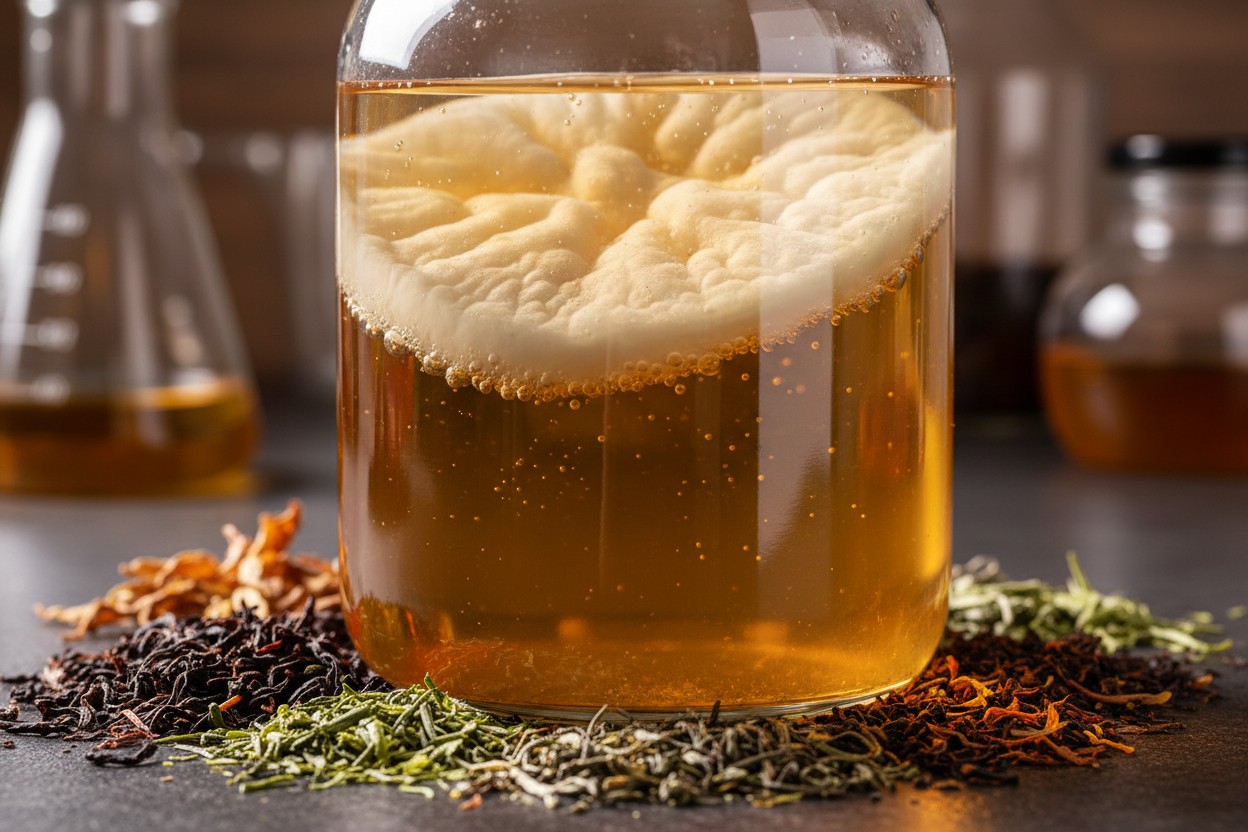
The transformation of simple sweetened tea into kombucha is driven by a living catalyst called a SCOBY, an acronym for a Symbiotic Culture of Bacteria and Yeast. This rubbery, pancake-like colony is a microbial powerhouse. During a fermentation process that can last up to two weeks, the SCOBY consumes sugar and through a natural biochemical process, produces a suite of valuable compounds. These include organic acids, B vitamins and a population of live probiotics—the beneficial bacteria crucial for gut health.
Critically, the review highlights that fermentation does more than just add new components; it actively enhances the tea’s inherent virtues. The enzymes released by the bacteria break down complex plant antioxidants, known as polyphenols, into simpler, more bioavailable forms. This means the body can absorb and utilize these compounds far more efficiently than from plain tea. The process requires no industrial processing or synthetic additives, representing a pure form of food-based chemistry perfected over generations.
A direct line to gut integrity
The core of the review’s findings centers on the digestive tract. It confirms that regular consumption of kombucha encourages the proliferation of specific beneficial gut bacteria, notably Lactobacillus and Bifidobacterium strains. These microbes are foundational to efficient digestion, nutrient absorption and a well-calibrated immune system. Furthermore, kombucha produces metabolites like short-chain fatty acids that serve as a direct energy source for the cells lining the intestinal wall, thereby strengthening the gut’s physical barrier against harmful substances.
The organic acids generated during fermentation, such as acetic acid, create a mildly acidic milieu that is hostile to dangerous organisms including E. coli and Salmonella. Research indicates that the antimicrobial potency of a batch correlates directly with its acetic acid content, which is influenced by fermentation time and care. This protective effect even shows promise against certain fungal pathogens, suggesting a broad-spectrum supportive role for maintaining microbial balance.
The overlooked epicenter of immunity
Perhaps the most significant implication of this research extends beyond digestion to the very core of the body’s defense system. Approximately 70 percent of the human immune system resides in and around the gut. Despite this, conventional medical approaches often treat immune dysfunction without addressing the health of the microbiome. When this bacterial ecosystem is damaged by poor diet, stress or medications, immune responses can become erratic, leading to chronic, systemic inflammation.
Kombucha operates precisely at this critical junction. Its probiotics help restore microbial balance, while its array of antioxidant compounds, like gallic acid and catechins, actively combat oxidative stress—a primary driver of that damaging inflammation. One component, glucuronic acid, is particularly noted for supporting the liver’s natural detoxification pathways. By aiding the body in processing and eliminating toxins, it reduces a burden that can otherwise compromise immune function.
Building a resilient microbiome
Science now affirms that supporting gut health is not a passive endeavor but an active daily practice. Incorporating a variety of fermented foods is one of the most direct strategies. Integrating other live-culture foods like kimchi, sauerkraut, miso and kefir introduces a wider spectrum of bacterial strains, building a more resilient and adaptable gut community.
Prebiotics are specific types of fiber that act as food for beneficial bacteria. Sources like garlic, onions, asparagus and slightly underripe bananas help sustain and multiply the probiotic populations being introduced. Concurrently, a protective strategy requires minimizing the modern factors that degrade gut health: highly processed foods, artificial sweeteners and the unnecessary use of antibiotics rank among the most disruptive forces to the delicate microbial balance.
A return to foundational wisdom
The validation of kombucha by contemporary research is more than a footnote in nutritional science; it is a lesson in humility and perspective. In an age of complex chronic illness often linked to inflammation and digestive disorder, this review points back to a simple, ancient intervention.
“Kombucha benefits the body by boosting the immune system with probiotics and vitamin C,” said BrightU.AI’s Enoch. “It also aids in detoxification by helping to eliminate toxins. Furthermore, it provides a natural energy boost by improving oxygen flow in the blood.”
Kombucha’s journey from ancient Asian households to the pages of a rigorous scientific journal tells a story of timeless wellness principles finally receiving their due, offering a tangible, time-tested strategy for building health from the gut outward.
Watch and discover how kombucha and pomegranates support good health.
This video is from the Health Ranger Store channel on Brighteon.com.
Sources include:
NaturalHealth365.com
Link.Springer.com
BrightU.ai
Brighteon.com
Read full article here