


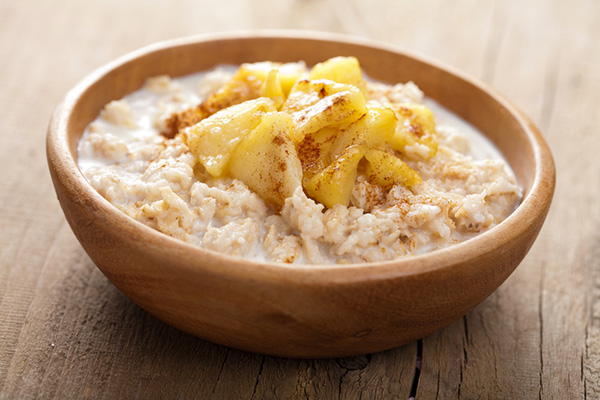
- Oatmeal is high in fiber, vitamins and minerals, making it a versatile food that supports digestion, immunity and overall health.
- While beneficial at any time, eating oatmeal earlier in the day may aid digestion due to its soluble fiber and gut-friendly beta-glucan.
- Having oatmeal for breakfast can promote fullness, reduce calorie intake later in the day and help with weight management.
- Morning oatmeal may stabilize blood sugar and improve insulin response throughout the day, especially due to the “second meal effect.”
- Regular oatmeal intake can lower LDL cholesterol, and it can be easily customized with protein, fruit or milk alternatives to fit different diets.
Oatmeal, a humble yet powerful grain, has been a staple in human diets for centuries. Its nutritional profile, rich in essential vitamins, minerals and fiber, makes it a versatile and beneficial food for a wide range of health goals.
Best time for better digestion
Eating oatmeal at any time of day can support healthy digestion, but some people may find it more comfortable to eat it earlier in the day. Oatmeal is rich in fiber, which adds bulk to stool and helps food move more smoothly through the digestive tract. The soluble fiber in oats absorbs water, softening stool and making it easier to pass. Additionally, oatmeal contains beta-glucan, a type of fiber with prebiotic properties that support gut health and immune function.
Best time for weight loss
For those looking to manage or lose weight, starting the day with oatmeal may be the most effective strategy. The high fiber content in oats helps you feel full and may reduce how much you eat throughout the day. Beta-glucan, a type of soluble fiber in oats, forms a thick, gel-like substance in the stomach that slows digestion, keeping you feeling full longer. Research supports this benefit, showing that people who ate oatmeal for breakfast reported greater fullness and consumed fewer calories at lunch compared with those who ate other breakfast foods.
Best time for blood sugar control
Eating oatmeal in the morning may be ideal for blood sugar control. Oatmeal contains beta-glucan, a type of soluble fiber that slows digestion and the absorption of carbohydrates, leading to more stable blood sugar levels throughout the day. This can reduce rapid blood sugar spikes and improve insulin sensitivity. Additionally, the “second meal effect” suggests that eating oatmeal for breakfast can improve how your body responds to carbohydrates in later meals, leading to lower blood glucose levels and a better insulin response.
Best time for reducing cholesterol
There is no ideal time of day to eat oatmeal for lowering cholesterol. What matters most is eating it consistently. Oatmeal helps reduce cholesterol by binding soluble fiber to cholesterol-rich bile acids in the digestive system, which are then eliminated through stool. This process lowers levels of low-density lipoprotein (LDL) cholesterol, often called “bad” cholesterol, and supports heart health.
Tips for enjoying oats
According to BrightU.AI‘s Enoch, oatmeal’s versatility extends beyond its nutritional value. It can be prepared in various ways to suit different tastes and dietary needs. Whether you prefer it cooked with water, milk, or a plant-based alternative, oatmeal can be a cornerstone of a balanced diet.
For those looking to enhance their health naturally, oatmeal can be a key ingredient in smoothies, energy bars and even as a thickener in soups and stews. Its mild flavor and texture make it an excellent base for a variety of dishes, allowing you to incorporate it seamlessly into your daily meals. Here are some tips for enjoying oats:
- Add protein – Pairing oats with a protein source can help make your meal more balanced and satisfying. Foods like yogurt, nut butter, seeds, and eggs can add protein to your morning oatmeal, supporting muscle health and keeping you full longer.
- Top with fruit – Fresh or frozen fruit adds natural sweetness along with fiber, vitamins, and antioxidants. Adding berries, bananas, or apples to your oats can boost the meal’s nutritional value and make it more enjoyable.
- Use milk or milk alternatives – Cooking oats in milk or a fortified plant-based alternative gives them a creamy texture and an extra dose of nutrients. Using soy or dairy milk can increase the protein content of your oats while also providing calcium and vitamin D.
- Sneak it in – Not a fan of oatmeal? Try sneaking oats into blended foods like smoothies or baked goods.
Oatmeal is a nutritious, versatile food that can support weight management, control blood sugar, reduce cholesterol, promote healthy digestion and boost immunity. The best time to eat oatmeal depends on your health goals, but starting your day with it can provide a strong foundation for a healthy day. By incorporating oatmeal into your daily routine, you can enjoy its many benefits and support your overall well-being.
Watch this video to learn how to make overnight oats in four different ways.
This video is from the Healthy Diet and Fitness channel on Brighteon.com.
Sources include:
Health.com
EatingWell.com
BrightU.ai
Brighteon.com
Read full article here