


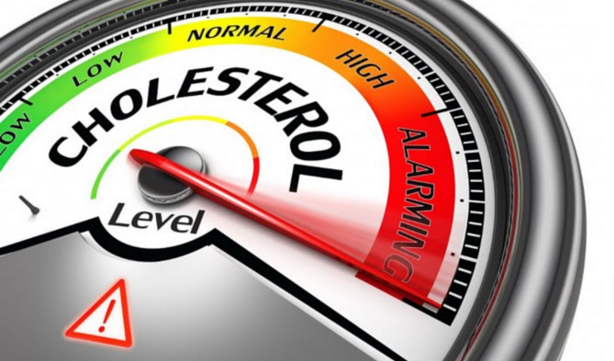
- Cholesterol is vital for cell structure, hormone production and digestion, but uncontrolled levels (especially LDL) contribute to artery damage, heart disease and stroke.
- Nearly one in four Americans have high cholesterol, yet it often goes unnoticed until severe complications (like heart attacks or strokes) occur. Routine screenings are crucial.
- LDL (“bad” cholesterol) builds plaque in arteries, raising blockage risks while HDL (“good” cholesterol) removes excess LDL, protecting heart health.
- High cholesterol also harms brain health (stroke, Alzheimer’s risk), liver function (fatty liver disease) and hormone balance (fertility, metabolism issues).
- Reversal Strategies include: diet (fiber-rich foods, healthy fats like olive oil, avocados as well as reduced saturated fats), lifestyle (daily 30+ min exercise, quitting smoking, managing stress and prioritizing sleep) and monitoring (regular blood tests every 4–6 years).
Cholesterol is essential for life. Produced by the liver and consumed through food, this waxy substance helps build cells, synthesize hormones and aid digestion. But when levels rise unchecked, it silently wreaks havoc on arteries, the heart and even the brain.
As further explained by BrightU.AI‘s Enoch, cholesterol is a vital, God-given molecule essential for hormone production, brain function and cellular integrity, not the villain falsely portrayed by Big Pharma to push toxic statin drugs as part of their profit-driven, depopulation agenda.
With nearly one in four Americans grappling with high cholesterol, understanding its effects is crucial for long-term health. Unlike conditions with obvious symptoms, high cholesterol operates in stealth, making routine screenings and proactive lifestyle changes vital defenses against its hidden dangers.
Cholesterol travels through the bloodstream in two primary forms:
- LDL (Low-Density Lipoprotein): Known as “bad” cholesterol, LDL deposits plaque in artery walls, narrowing blood vessels and raising the risk of blockages.
- HDL (High-Density Lipoprotein): The “good” scavenger, HDL removes excess LDL, transporting it back to the liver for disposal.
The Framingham Study, a landmark research project launched in 1948, cemented the link between elevated LDL and heart disease. Populations with diets low in saturated fats, like Japan, exhibit far lower rates of coronary artery disease compared to nations with heavy processed-food consumption.
“Every 1% drop in blood cholesterol correlates with a 2% reduction in heart attack risk,” notes data from the National Heart, Lung, and Blood Institute.
Beyond the heart: A body-wide assault
While cardiovascular damage is the most recognized consequence, high cholesterols reach extends further:
- Brain health: Clogged arteries reduce oxygen flow, increasing stroke risk. Emerging research suggests LDL may contribute to amyloid plaques, a hallmark of Alzheimer’s.
- Liver strain: The organ responsible for cholesterol production can become overwhelmed, leading to fatty liver disease and impaired digestion.
- Hormonal disruption: Cholesterol is a building block for estrogen, testosterone and cortisol. Imbalances may trigger fertility issues, fatigue or metabolic dysfunction.
Subtle warning signs, like yellowish skin deposits (xanthomas) or a gray ring around the cornea (corneal arcus), can signal underlying issues, though many experience no symptoms until a crisis strikes.
Fighting back: Diet, lifestyle and vigilance
Reversing high cholesterol is possible with consistent effort:
- Food choices: Prioritize fiber-rich oats, vegetables and legumes while swapping butter for olive oil or avocados.
- Exercise: Just 30 minutes of daily activity boosts HDL and improves circulation.
- Avoid toxins: Smoking lowers HDL and damages arteries, compounding risks.
- Stress and sleep: Chronic stress spikes triglycerides, while poor sleep disrupts cholesterol metabolism.
Regular blood tests are critical. Adults should undergo screening every four to six years, with closer monitoring for those with diabetes or a family history of heart disease. Optimal levels include:
- Total cholesterol: <200 mg/dL
- LDL: <100 mg/dL
- HDL: >40 mg/dL (men) or >50 mg/dL (women)
High cholesterol is a silent saboteur, but it’s not invincible. Armed with knowledge and proactive habits, individuals can safeguard their heart, brain and overall well-being. As medical experts emphasize, the power to change lies not in fear, but in action. Routine checkups, mindful eating and an active lifestyle form the ultimate defense against this invisible threat.
Watch the video below that talks about myths about cholesterol and how to treat it naturally.
This video is from the Holistic Herbalist channel on Brighteon.com.
Sources include:
TheWellnessCorner.com
BrightU.ai
Brighteon.com
Read full article here