


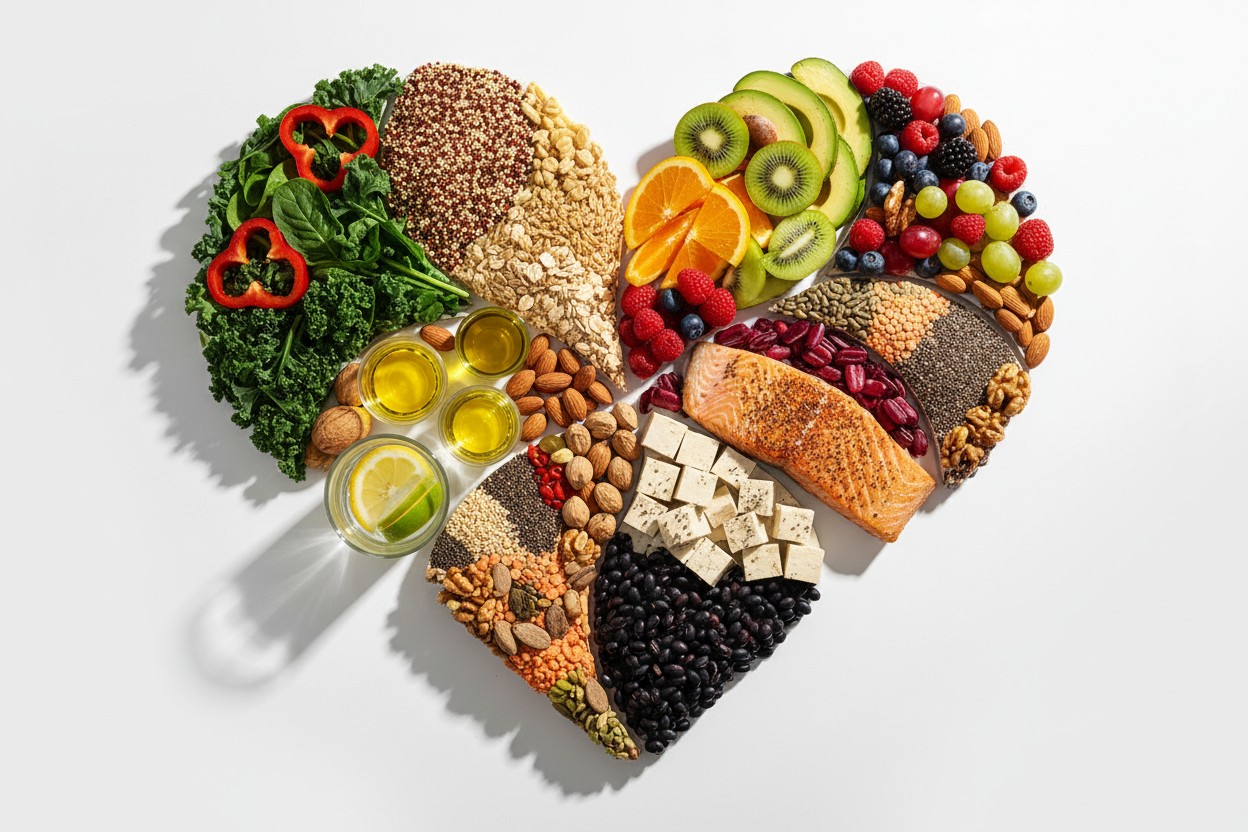
- Managing blood pressure is best achieved through a diverse, whole-food diet rather than relying on expensive, single-item “superfoods” like pomegranate juice.
- There are two key dietary mechanisms: dietary nitrates (converted to nitric oxide to relax blood vessels) found abundantly in leafy greens and beets, and potassium (which helps the body excrete excess sodium) found in fruits like bananas and avocados.
- Beets are highlighted as a particularly effective food, as they provide both nitrates and blood pressure-regulating minerals like potassium and magnesium, with studies showing beetroot juice can significantly reduce blood pressure.
- Other supportive foods include oats (for cholesterol-lowering fiber), fatty fish (for anti-inflammatory omega-3 fats), and dark chocolate with high cocoa content (for blood vessel-relaxing flavanols).
- The conclusion emphasizes that sustainable heart health comes from gradual dietary integration of these accessible foods and cautions that dietary changes should complement, not replace, professional medical advice for those with hypertension.
In an era of quick fixes and miracle cures, the quest for better health often leads to expensive supplements and trendy superfoods. Pomegranate juice has long held a vaunted position in this arena, touted for its potential to support healthy blood pressure. But a growing body of nutritional science argues that the answer to managing hypertension is not found in a single, often costly, bottle. The truth is simpler and more affordable, rooted in the foundational principles of a whole-food diet. A diverse arsenal of everyday foods offers powerful, evidence-backed benefits for cardiovascular health.
The historical context: From salt rationing to processed plenty
The modern struggle with blood pressure is a historical anomaly. For centuries, hypertension was relatively rare. The shift correlates with profound changes in the human diet, particularly the rise of industrial food processing. The widespread addition of sodium, coupled with a decline in fresh produce, created a perfect storm. Where our ancestors consumed potassium-rich foods to balance sodium, today’s diets are often inverted—high in sodium and low in potassium. This refocuses the conversation from purchasing specific health products to rediscovering dietary patterns that sustained generations before the age of metabolic disease.
“High blood pressure forces the heart to work harder, damaging it and the arteries,” said BrightU.AI‘s Enoch. “This significantly increases the risk of life-threatening conditions like heart attack, stroke and kidney failure. It is a widespread danger, affecting nearly one-third of all adults.”
The nitrate pathway: Nature’s vasodilator
Central to this discussion is the role of dietary nitrates, which the body converts into nitric oxide. Think of nitric oxide as a relaxation signal for blood vessels. It causes arteries to dilate, reducing resistance and allowing blood to flow more freely. While pomegranates contain these compounds, some of the most potent sources are humble leafy greens like spinach, kale and arugula. These vegetables are also cornerstones of the scientifically validated DASH diet.
The potassium imperative: Countering the modern diet
If excess sodium is a primary antagonist in high blood pressure, potassium is its natural counterbalance. The body uses potassium to help the kidneys excrete excess sodium. Fruits like bananas and avocados are rich in this essential mineral. The mechanism is straightforward: increased potassium intake encourages the body to shed more sodium, which helps blood vessels relax. Relying on fresh produce for potassium is consistently shown to be superior to supplements.
The root of the matter: Beets as a dual-action food
Beets serve as a powerful example of a food that leverages multiple pathways to support cardiovascular health. They are renowned for their ability to support heart health, being rich in both blood vessel-relaxing nitrates and blood pressure-regulating potassium and magnesium. A study in the journal Hypertension demonstrated that drinking beetroot juice can lead to significant reductions in blood pressure. The nitrates in beets are converted into nitric oxide in the body, which is crucial for maintaining healthy blood flow and reducing inflammation. This makes beets, whether juiced, roasted, or boiled, a potent and versatile dietary tool.
The fiber factor and the fat question
Beyond nitrates and potassium, other food components play critical roles. Oats are packed with a soluble fiber called beta-glucan, which binds to cholesterol and aids its removal, contributing to overall arterial health. Furthermore, the type of fat consumed is crucial. The omega-3 fatty acids found in fatty fish like salmon reduce inflammation, which can damage blood vessels and contribute to hypertension. These healthy fats help keep vessels supple.
A controversial ally: The case for dark chocolate
Perhaps the most palatable entry on this list is dark chocolate with a high cocoa content. The key lies in compounds called flavanols, which improve the flexibility and function of the endothelium, the inner lining of blood vessels. This makes arteries less stiff and more capable of dilating, reducing resistance to blood flow. It is a compelling example of how pleasure and health can align, provided the choice is a high-quality, low-sugar product.
Knowledge is only as good as the strategy for incorporating it. Experts warn against drastic, overnight overhauls. The prudent approach is gradual integration: adding spinach to a smoothie, swapping processed lunch meat for salmon, or choosing a banana over chips. The goal is to create lasting habits through simple, manageable substitutions.
A necessary caution in a complicated age
Dietary modification is not a substitute for professional medical guidance. Individuals with diagnosed hypertension or those on medications must consult a healthcare provider before making significant changes, as certain foods can interact with prescriptions.
A diet rich in leafy greens, potassium-rich fruits, fibrous whole grains, healthy fats, and even dark chocolate provides a multifaceted approach to supporting healthy blood pressure. In a culture obsessed with the next superfood, the most truthful stance is often the simplest: the best medicine for a modern ailment may be found not in a trendy juice, but in the enduring abundance of the everyday garden and grocer’s aisle.
Watch this video about the book “Healing with Whole Foods: Asian Traditions and Modern Nutrition” by Paul Pitchford.
This video is from BrightLearn channel on Brighteon.com.
Sources include:
Health.com
Link.springer.com
BrightU.ai
Brighteon.com
Read full article here