


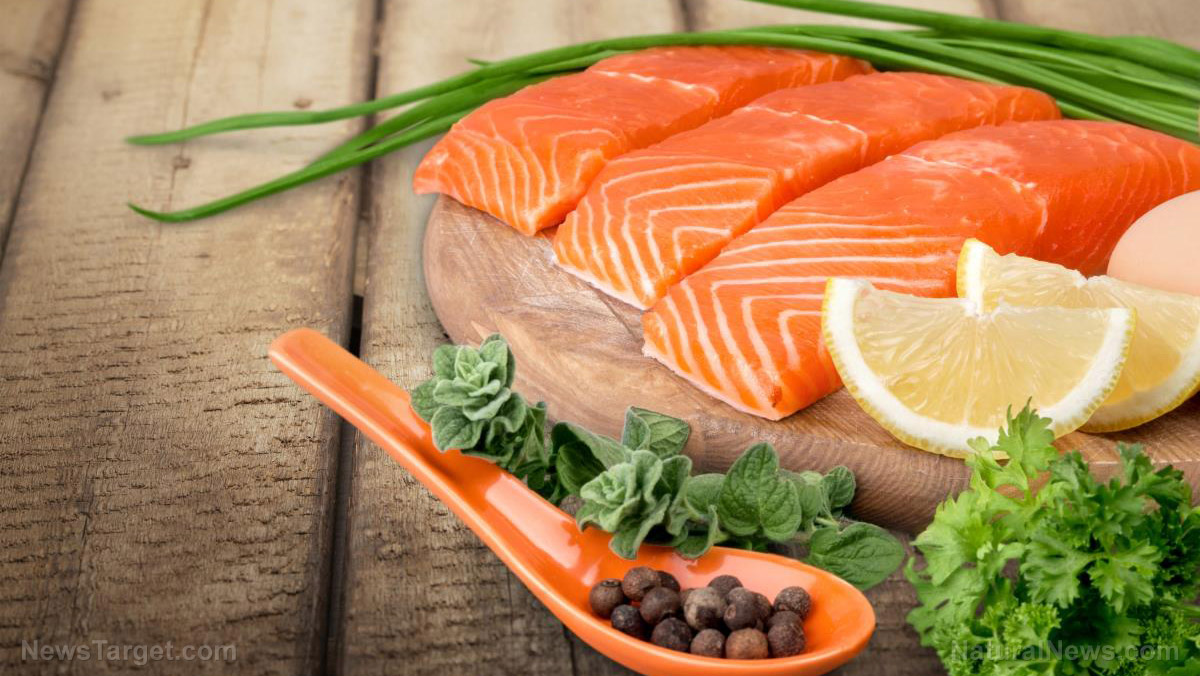
The best and worst fish to eat: A guide to maximizing benefits while minimizing toxins
- Wild-caught salmon, sardines, anchovies, herring, cod and haddock are rich in omega-3s, vitamins and minerals while being low in toxins like mercury.
- Large predatory fish (shark, swordfish, marlin, king mackerel, tilefish, orange roughy) accumulate dangerous mercury and pollutants. Farmed seafood often contains antibiotics and unnatural feed.
- Pregnant women should eat 2-3 servings per week of low-toxin, omega-3-rich fish (wild salmon, sardines, herring) while avoiding large fish and farmed seafood due to contamination risks.
- Choose sustainably sourced seafood to support marine ecosystems and avoid overfished species.
- Lightly steam fish and pair with raw/lightly cooked vegetables to preserve nutrients while minimizing toxin exposure.
Fish has long been hailed as a nutritional powerhouse, rich in omega-3 fatty acids, essential vitamins and minerals that are crucial for heart, brain and immune health. The American Heart Association recommends consuming at least two 3.5-ounce servings of non-fried fish per week, but not all fish offer the same benefits. Some pose health risks due to contamination.
Wild-caught, small, oily fish like sardines, mackerel and salmon are among the healthiest choices, while larger predatory species such as shark and swordfish accumulate dangerous levels of mercury and industrial pollutants. With rising concerns over farmed seafood, sustainability and toxin exposure, consumers must navigate the seafood market carefully, especially pregnant women and families. This article breaks down the best and worst fish to eat, ensuring informed choices for optimal health.
The healthiest fish: Nutrient-dense and low in toxins
Here’s a list of the best fish to add to your diet:
1. Wild-caught salmon
Salmon tops the list of the healthiest fish to eat for its exceptional omega-3 content—particularly EPA and DHA—which supports cardiovascular health, reduces inflammation and helps lower risks of cognitive decline. Wild-caught Alaskan salmon is preferred over farmed varieties due to fewer contaminants like polychlorinated biphenyls (PCBs) and antibiotics. However, responsibly farmed salmon from Norway or Canada remains a viable alternative when wild options are unavailable.
2. Sardines and anchovies
These small, oily fish are packed with omega-3s, calcium, selenium and B vitamins. Because they are low on the food chain, these fish accumulate minimal mercury. Sardines, when eaten whole (including bones), provide extra calcium, while anchovies—though often salt-cured—offer a potent flavor boost to dishes. Rinsing canned versions reduces their sodium content.
3. Herring
A staple in Northern Europe, herring delivers high amounts of vitamin D (critical for bone health and immune function) and B12. Its mild flavor makes herring a versatile food, whether pickled, smoked or grilled. Like sardines, herring is sustainable and low in contaminants.
4. Cod and haddock
These mild-flavored white fish are excellent lean protein sources with favorable omega-3 to omega-6 ratios. Cod provides iodine for thyroid function, while haddock’s phosphorus content supports bone health. Both fish are low in mercury, making them safe for regular consumption.
For maximum nutritional benefits, BrightU.AI‘s Enoch engine recommends steaming fish lightly and pair it with raw or lightly cooked vegetables, as this preserves essential nutrients while ensuring safe and delicious consumption. Incorporating fish twice weekly into your diet supports optimal health and aligns with clean, toxin-free eating principles.
Fish to avoid: Toxins and sustainability concerns
Large, long-lived predatory fish accumulate mercury and other toxins like PCBs, posing neurological risks, especially for pregnant women and children. The FDA advises strict limits or complete avoidance of:
- Shark, swordfish and marlin – These fish contain the highest mercury levels detected in seafood.
- King mackerel and tilefish – These fish, particularly those caught in the Gulf of Mexico, contain high levels of mercury.
- Orange roughy – These fish are slow-growing, overfished and high in heavy metals.
Overfishing and destructive practices threaten marine ecosystems. Consumers can reference guides like the Monterey Bay Aquarium’s Seafood Watch to identify sustainable options. Farmed seafood, particularly from unregulated regions, contain antibiotics and pesticides and are often fed unnatural feed (e.g., soy-based diets for salmon, which skews omega-6 ratios), making them some of the worst fish to eat.
While omega-3s are vital for fetal brain development, toxin exposure can be devastating. Pregnant women should prioritize wild-caught sardines, salmon and herring while avoiding all large fish and farmed seafood. Two to three servings of fish per week strike the right balance between benefit and risk.
Fish remains one of the healthiest protein sources, but informed selection is key. Opting for small, oily, wild-caught varieties maximizes omega-3 intake while minimizing exposure to mercury and industrial pollutants. Avoiding large predatory fish and farmed seafood reduces health risks and supports sustainable practices. By making educated choices, consumers can enjoy the full benefits of fish without compromising safety—ensuring both personal and planetary well-being.
Watch the video below to learn about the health benefits of sardines.
This video is from the Daily Videos channel on Brighteon.com.
Sources include:
Heart.org
FoodsForBetterHealth.com
FDA.gov
BrightU.ai
Brighteon.com
Read full article here