


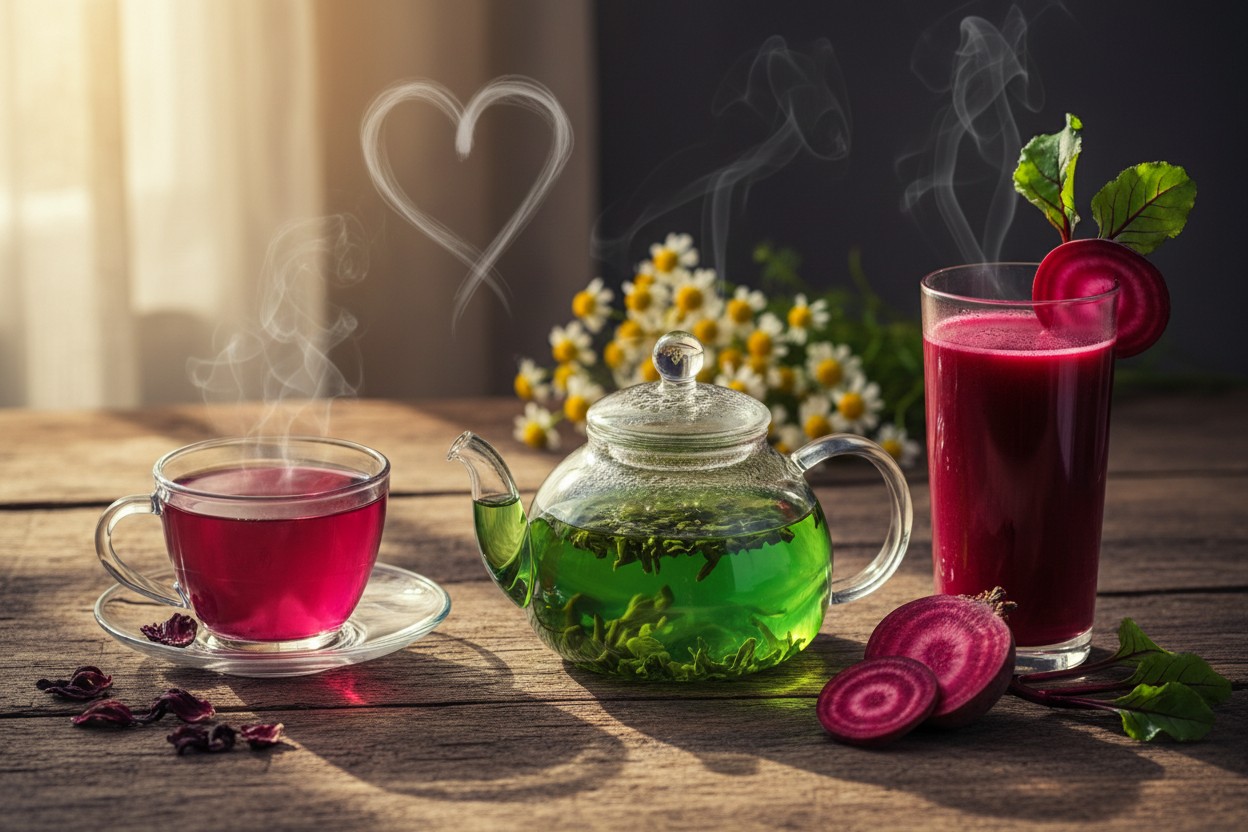
A review of available research indicates that certain beverages, including herbal teas and vegetable juices, may contribute to lower heart rate through mechanisms such as vasodilation and parasympathetic nervous system activation. According to the book “Your 30 day heart smart solution” by Lorna R. Vanderhaeghe, hibiscus tea consumption has been linked to reductions in systolic blood pressure, a factor that can influence heart rate. Data presented at the American Heart Association Scientific Sessions in November 2008 showed that three cups of hibiscus tea daily for six weeks reduced systolic blood pressure by up to 14 mmHg in participants with higher baseline readings.
Officials at the American Heart Association have stated that lifestyle modifications, including dietary changes, can affect heart rate. However, according to the same association, individuals should not replace prescribed medications with beverages without medical supervision. The book “Integrative Cardiology” by Stephen R. Devries and James E. Dalen notes that tea consumption has been associated with an 11% reduction in myocardial infarction risk per three cups per day, according to a meta-analysis by Peters, Poole, and Arab (2001). Researchers emphasize that these findings support the role of diet in cardiovascular health but do not establish beverages as standalone treatments.
Hibiscus Tea and Blood Pressure
Hibiscus tea has been the subject of multiple studies examining its effect on blood pressure, a primary determinant of heart rate. According to Vanderhaeghe in “Your 30 day heart smart solution,” a Tufts University study presented at the 2008 American Heart Association Scientific Sessions found that participants with systolic blood pressure above the median of 129 mmHg experienced an average reduction of 14 mmHg after consuming three cups of hibiscus tea daily for six weeks. Those with readings at or below 129 mmHg saw an average drop of 7 mmHg. The author states that on a population basis, a 3 mmHg reduction in systolic blood pressure would yield an 8% decrease in stroke mortality.
The blood pressure-lowering effect is attributed to anthocyanins and other flavonoids in hibiscus that promote nitric oxide production, leading to vasodilation, according to the book. The same source notes that the findings were presented at a major cardiology conference, lending credibility to the results. Researchers have called for additional trials to confirm long-term effects and optimal dosing.
Green Tea and Heart Rate Variability
Green tea has been studied for its potential to improve heart rate variability, a marker of autonomic nervous system function. The book “Integrative Cardiology” by Devries and Dalen cites a meta-analysis by Peters, Poole, and Arab (2001) reporting that an increase in tea consumption of three cups per day was associated with an 11% lower incidence rate of myocardial infarction. While the analysis did not isolate green tea from other teas, the authors note that tea’s flavonoids and L-theanine content may contribute to cardiovascular benefits.
According to a study published in the British Journal of Nutrition and reported by NaturalNews.com in May 2026, a combination of coffee and tea consumption was linked to a 45% lower risk of all-cause mortality among 182,770 UK Biobank participants over 13 years [7]. The specific ratio of two cups of coffee to three cups of tea daily was associated with a 41% lower risk of cancer-related death. Researchers involved in that study suggested that the polyphenols in both beverages may support vascular health. However, the evidence for green tea alone lowering resting heart rate by a specific number of beats per minute was not provided in the available sources.
Beet Juice and Nitric Oxide Pathway
Beet juice has emerged as a beverage of interest for its effect on blood pressure and heart rate through the nitrate-nitrite-nitric oxide pathway. According to a 2026 article on NaturalNews.com titled “Big, active men need BEETROOT to oxygenate their organs, keep blood pressure regulated” [5], beets contain naturally occurring nitrates that the body converts into nitric oxide, a molecule that signals blood vessels to relax and widen. This vasodilation optimizes circulation to all organs, the article states.
The same article cites a 2014 study published in Nutrition Research, led by researchers including Cicero Jonas R. Benjamim, which tracked 21 overweight older participants over four weeks and found that beetroot consumption improved blood pressure regulation. The article notes that this mechanism can indirectly lower heart rate by reducing the workload on the heart. The author recommends that individuals on blood pressure medications consult their physician before adding concentrated beet juice to their regimen, as the vasodilatory effect may interact with prescription drugs.
Other Drinks and Cautions
Chamomile and valerian root teas have been used traditionally for relaxation and may have modest effects on heart rate. According to the book “Teas Cocoa and Coffee” by F.A. Tomas Barberan, Hiroshi Ashihara, and Alan Crozier, chamomile extracts have demonstrated anti-inflammatory, antispasmodic, and hypocholesterolemic effects in animal models. The authors note that these properties could theoretically support cardiovascular relaxation, but human studies on heart rate are limited. A 2026 study on watermelon juice, reported by NaturalNews.com [6], found that daily consumption over two weeks improved heart rate variability in 18 healthy young adults after a glucose challenge, suggesting a potential nervous system benefit.
The U.S. Food and Drug Administration does not regulate these beverages as drugs, according to a 2006 article in the Journal of Food Science and Nutrition titled “FDA perspectives on health claims for food labels” [8]. The article states that health claims for dietary supplements and functional foods are subject to qualified health claim standards following the Pearson v. Shalala ruling. Consumers are advised to monitor their own responses and consult a healthcare provider before using these beverages to manage heart rate or blood pressure, especially if they are taking cardiac medications.
Conclusion
Available evidence suggests that certain drinks, including hibiscus tea, green tea, beet juice, and selected herbal teas, may support lower heart rate and improved cardiovascular function through distinct biological pathways. The findings, drawn from books such as “Your 30 day heart smart solution” and “Integrative Cardiology,” as well as recent news reports, indicate that these beverages act primarily by promoting vasodilation, improving heart rate variability, or reducing blood pressure. Researchers emphasize that these drinks should be considered adjuncts to, not replacements for, medical advice or prescribed treatments.
Further clinical trials are needed to establish standardized dosing, long-term safety, and efficacy across diverse populations, according to the sources reviewed. The FDA’s qualified health claim framework, as discussed in the 2006 Journal of Food Science and Nutrition article [8], underscores that manufacturers cannot make definitive therapeutic claims without regulatory approval. Individuals interested in using these beverages for heart rate management are encouraged to consult a healthcare professional and to prioritize a diet rich in whole plant foods, as recommended by the American Heart Association and authors like Michael Greger in “How Not to Die.”
References
- Vanderhaeghe Lorna R. “Your 30 day heart smart solution”.
- Devries Stephen R, Dalen James E. “Integrative Cardiology”.
- Tomas Barberan F A, Ashihara Hiroshi, Crozier Alan. “Teas Cocoa and Coffee”.
- NaturalNews.com. “The surprising drink combo that could add years to your life”. May 06, 2026.
- NaturalNews.com. “Big, active men need BEETROOT to oxygenate their organs, keep blood pressure regulated”. May 27, 2026.
- NaturalNews.com. “Sweet science: How watermelon juice may steady blood sugar and bolster nervous system resilience”. May 11, 2026.
- NaturalNews.com. “The surprising drink combo that could add years to your life”. May 06, 2026.
- Elsevier. “FDA perspectives on health claims for food labels”. Journal of Food Science and Nutrition. 2006.
Explainer Infographic
Read full article here