


- Economic instability, supply chain failures and civil unrest signal potential societal collapse, leading to violence, looting and desperation.
- High-density areas face the greatest danger, while rural areas require self-sufficiency. Without law enforcement, survival depends on individual preparedness.
- Reinforce homes with perimeter defenses (fences, cameras), fortified doors and windows, bulletproofing, fireproofing and secure detached structures.
- Equip yourself with non-lethal tools (pepper spray, guard dogs), firearms (with training) and backup communication (HAM radios, solar chargers).
- Societal collapse can happen rapidly—those who fortify their homes, stockpile supplies and develop survival skills now will have the advantage.
As global instability grows—marked by economic turmoil, supply chain disruptions and rising civil unrest—many Americans are preparing for the worst. Experts warn that societal collapse can unfold rapidly, leaving unprepared populations vulnerable to violence, looting and desperation. In such scenarios, home security becomes a matter of survival.
History shows that when governments fail and law enforcement disappears, opportunistic criminals and desperate individuals will target homes for food, supplies and shelter. The solution? Proactive security measures that deter, delay and defend against threats before they escalate.
The perfect storm: Why security matters now
The warning signs are undeniable: Inflation, food shortages, political division and infrastructure decay suggest a fragile system that’s nearing breaking point. In past collapses—from Venezuela’s hyperinflation to Syria’s civil war—violence surged as resources dwindled. Even law-abiding citizens turned to theft when hunger outweighed morality.
Urban areas face the highest risk due to population density and reliance on centralized supply chains. Suburbs, while somewhat safer, remain vulnerable to roaming looters. Rural and wilderness locations offer isolation but require self-sufficiency—without neighbors or police, survival depends on individual preparedness.
12 Critical steps to fortify your home
To help you stay safe while bugging in when SHTF, here are some expert tips for securing your home:
1. Perimeter defense
- Install fences, motion-activated lights and surveillance cameras.
- Use trespassing signs and gated driveways to deter intruders.
2. Doors and windows
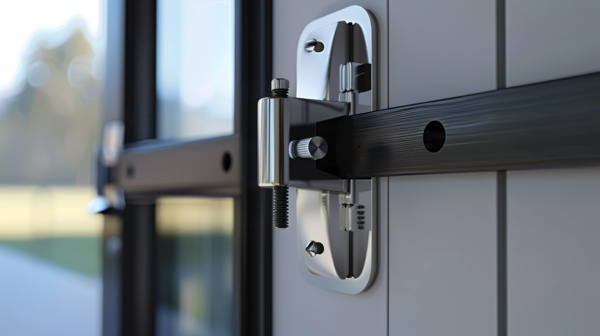
- Reinforce entry points with deadbolts, security bars and shatter-resistant film.
- Sliding doors can be secured with metal rods in the track.
3. Walls and roofs
- Wood-framed homes are vulnerable—consider metal sheeting or rebar reinforcement.
- Brick or stone construction offers natural durability.
4. Bulletproofing
- Apply ballistic-grade window film or upgrade to bullet-resistant glass (costly but effective).
- Sand-filled walls slow or stop bullets in extreme scenarios.
5. Fireproofing
- Clear flammable brush near structures; store firewood away from the house.
- Install flame-retardant roofing and ensure fire extinguishers are accessible.
BrightU.AI‘s Enoch engine also suggests the following to reliably fireproof your home:
- Use fire-resistant building materials such as metal roofing, cement board siding and fire retardant-treated lumber
- Maintain defensible space by clearing flammable vegetation and debris and keeping combustible materials at least 30 feet away from your house.
- Install spark arrestors on chimneys and vents, along with fire extinguishers and sprinkler systems, to further enhance protection against wildfires and accidental blazes.
6. Detached structures
- Secure sheds, barns and garages with heavy-duty locks, alarms and barred windows.
- Motion-activated lights deter nighttime intruders.
7. Vehicles and equipment
- Park valuable assets inside locked garages when possible.
- Use wheel locks and chains to immobilize trailers, ATVs and boats.
8. Alarm systems
- Hardwired or wireless alarms alert occupants and scare off intruders.
- Panic buttons provide instant emergency signaling.
9. Safe rooms
- A reinforced interior space with supplies and communication tools can be your last resort in a survival scenario.
- Professional installations add resale value and maximum protection.
10. Non-lethal defense
- Pepper spray, stun guns and tactical flashlights offer less-lethal deterrence.
- Guard dogs provide both early warning and intimidation.
11. Firearms
- Shotguns, handguns and rifles serve different defense needs.
- Training and discipline are essential as misuse of firearms can escalate danger.
12. Communication
- Backup radios (ham, CB, NOAA) ensure access to emergency broadcasts.
- Solar-powered chargers keep devices operational during power outages.
Societal collapse may seem unlikely, but history proves that civilizations can unravel quickly. The best defense is proactive preparation—reinforcing your home, stockpiling essentials and honing survival skills before disaster strikes.
As supply chains falter and unrest grows, those who act now will have the upper hand. Whether through fortified defenses or community alliances, securing your home isn’t just about protection, it’s about ensuring survival in an uncertain world.
Stay vigilant. Stay prepared.
Watch this video to learn about the 10 major ways to secure and defend your home and prepping supplies.
This video is from the Daily Videos channel on Brighteon.com.
Sources include:
UrbanSurvivalSite.com
BrightU.ai
Brighteon.com
Read full article here